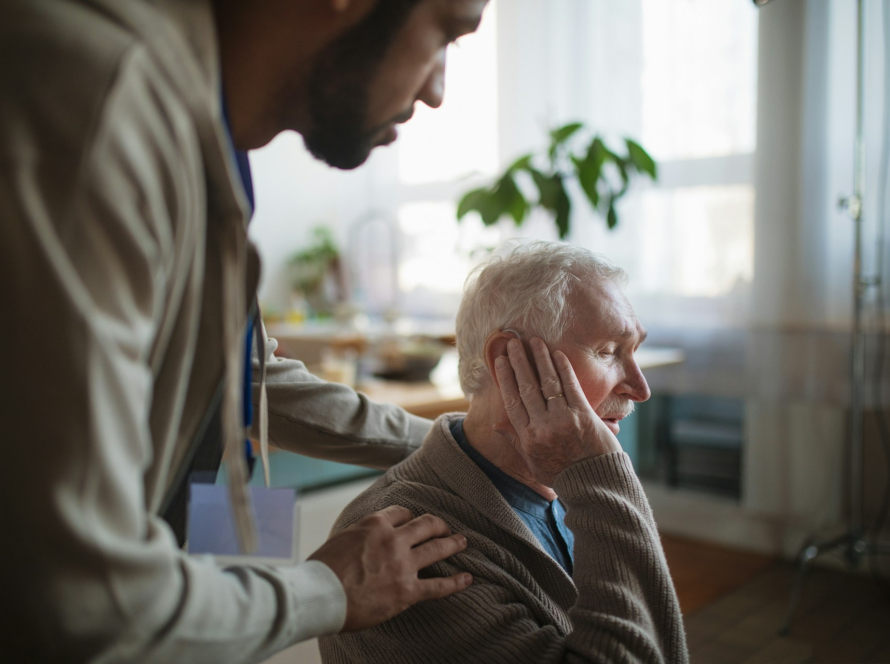
A significant concern for families with loved ones in nursing homes is the quality of care their relatives receive from the facility. Ensuring that nursing homes are adequately staffed with skilled professionals is a key aspect of providing top-notch care to the elderly. Unfortunately, understaffing in nursing homes is a prevalent and alarming issue that can lead to a higher risk of elder abuse and neglect.
In a study conducted by the National Institutes of Health, it was found that around 90% of nursing homes had insufficient staff to meet the care needs of their residents. This troubling statistic emphasizes the critical need to understand the connection between understaffing and nursing home abuse, recognize the signs of understaffing, and take appropriate action to protect our elderly loved ones.
Understaffed nursing homes can impair the ability of facility staff to provide residents with the necessary attention and care. Consequently, this can lead to multiple forms of elder abuse and neglect, such as physical, emotional, or financial mistreatment. Without enough staff to monitor residents, caregivers may become overwhelmed and resort to undesirable care practices.
This article will discuss how to identify understaffing in nursing homes and its impact on elder abuse cases. We will also explore the steps you can take to address this concern, with guidance from Jehl Law Group attorneys, who are experienced in nursing home abuse cases and licensed in Tennessee and several other states, including Arkansas, Illinois, Kentucky, Mississippi, Missouri, and Pennsylvania.
Recognizing Understaffing in Nursing Homes and Its Impact on Elder Abuse
The quality of care provided to elderly residents in nursing homes is significantly influenced by staffing levels. Inadequate staffing can lead to various issues, including a higher risk of elder abuse. This article will explore the impact of understaffing on nursing home abuse and how families can identify and address these concerns for the protection and wellbeing of their loved ones.
The Dire Consequences of Understaffing in Nursing Homes
Understaffing in nursing homes can result in serious consequences related to elder abuse and neglect. When staff members are stretched thin due to lack of assistance, they may become overwhelmed and inadvertently or intentionally neglect their residents’ needs. Some of the potential consequences of understaffing include:
1. Increased instances of physical abuse due to staff frustration or impatience
2. Unmet residents’ needs leading to malnutrition, dehydration, or bedsores
3. Increased risk of falls and injuries due to inadequate supervision
4. Reduced resident hygiene and healthcare management
By recognizing the connection between understaffing and elder abuse, families can take steps to ensure their loved ones are placed in adequately staffed facilities where they will receive proper care and attention.
Recognizing the Signs of Understaffing
Detecting the signs of understaffing in a nursing home is crucial to protect your loved one from potential neglect and abuse. Some indicators suggesting that a facility may be understaffed include:
1. High staff turnover and consistent use of temporary staff
2. Staff working long hours or multiple back-to-back shifts
3. Insufficient staff during meal times and peak hours
4. Frequent complaints from residents and staff about limited resources
Regular visits and discussions with your loved ones and care staff can also give you insight into the situation. Additionally, it’s essential to observe your loved one’s living conditions and overall well-being to identify understaffing issues.
Steps to Take in Addressing Understaffing Concerns
If you suspect your loved one’s nursing home is understaffed, take immediate action to address the issue:
1. Speak with nursing home management: Express your concerns regarding understaffing with the nursing home management. Request information on staff-to-resident ratios, staff training, and supervision. Ask about their specific plans to address understaffing and improve overall care.
2. Research state regulations and facility ratings: Familiarize yourself with state regulations and requirements for nursing homes regarding staffing. Compare the facility’s staffing levels with state requirements to determine any discrepancies. Online resources such as Nursing Home Compare can provide valuable information about the nursing home’s overall quality.
3. Report concerns to authorities: If you believe that understaffing is leading to the abuse or neglect of residents, you can report it to your state’s Department of Health or another relevant agency. Investigations can be initiated to determine if the facility is in compliance with state regulations.
4. Seek legal assistance: Should you encounter resistance from nursing home management or regulatory agencies, or if you’re concerned about specific instances of abuse or neglect, consult with legal professionals experienced in dealing with nursing home understaffing cases.
The importance of proper staffing levels in nursing homes cannot be overstated. By recognizing and addressing understaffing concerns, families can protect their loved ones from harm and ensure they are adequately cared for in a safe environment.
Guarding Against the Risks of Understaffing in Nursing Homes
In addition to addressing existing understaffing concerns, it’s essential to remain vigilant about preventing future issues. Discuss with management and staff the steps being taken to maintain adequate staffing levels. This may include hiring additional staff, improving training and support for current employees, or fostering better relationship-building between staff and residents.
Consider relocating your loved one to another facility should your concerns persist or worsen. It’s important to prioritize their health and safety when making decisions regarding their long-term care.
The Crucial Role of Adequate Staffing in Ensuring Proper Elder Care
The link between understaffing in nursing homes and a higher risk of elder abuse serves as a crucial reminder of the importance of safeguarding our loved ones’ well-being. By identifying and addressing understaffing concerns, families can take a proactive approach to ensure that their elderly relatives receive the quality care they deserve in a safer environment.
With the expertise of Jehl Law Group attorneys, who are experienced in handling elder abuse cases in Tennessee and several other states, including Arkansas, Illinois, Kentucky, Mississippi, Missouri, and Pennsylvania, we can support your efforts to protect your loved ones from potential abuse or neglect caused by understaffing. Reach out to our elder abuse attorneys today to take a stand against nursing home abuse and provide your loved ones with the care and safety they deserve.