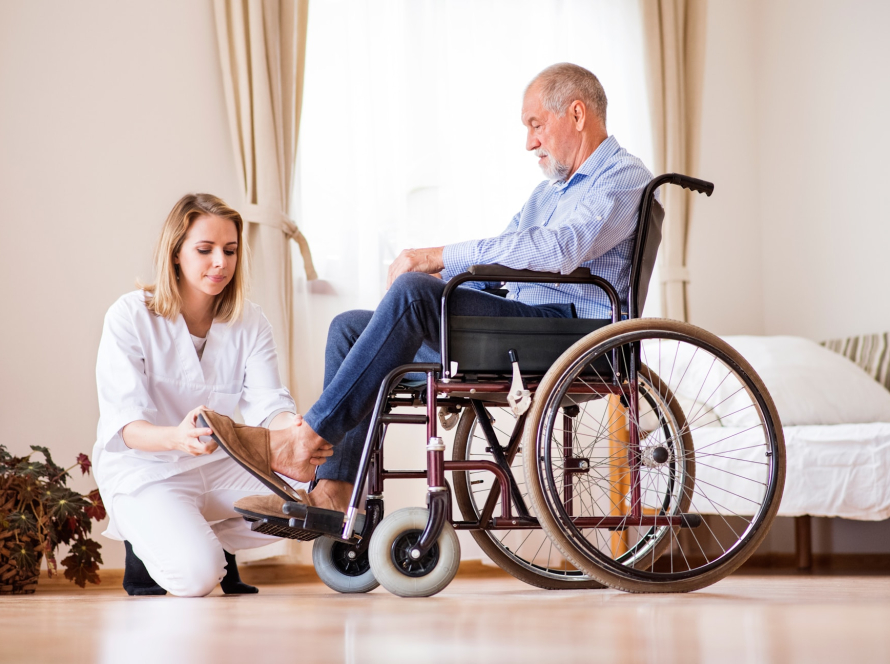
The twofold challenge of dementia and elder abuse in nursing homes presents a complex and pressing issue that merits our utmost attention. As the aging population continues to grow, so does the prevalence of dementia, a progressive neurological disorder that impairs cognitive function and daily life activities. This unfortunate reality, coupled with the disturbing incidence of elder abuse, highlights the urgent need for effective strategies to safeguard the well-being and dignity of nursing home residents.
Striving to foster a transformative narrative, the focus will extend beyond the problem to the solutions. We aim to underscore the essential measures necessary to provide a safe, nurturing environment for nursing home residents, ensuring their quality of life is not compromised. In this pursuit, we’ll delve into the intricacies of rigorous staff training, implementation of stringent policies, and the vital role of continuous monitoring and reporting systems.
Understanding Dementia
To better protect residents with dementia from abuse and neglect, it is crucial to understand their unique needs and vulnerabilities. Dementia affects each individual differently, resulting in varying levels of cognitive decline and changes in behavior.
Some common symptoms of dementia include memory loss, confusion, difficulty communicating, agitation, and hallucinations. Nursing home staff must be familiar with these challenges and be capable of providing specialized care and support to dementia patients. This includes:
1. Person-centered care: Each resident with dementia has specific needs and preferences that should be incorporated into their care plan, ensuring they receive personalized support.
2. Effective communication: Staff must be trained in techniques to enhance communication with residents with dementia, such as using simple, clear language and non-verbal cues.
3. Safe and stimulating environment: The nursing home should provide a secure and engaging environment tailored to residents with dementia, which may include safety measures like secured doors and memory stations to reduce agitation and wandering behaviors.
Increased Risk of Abuse
Nursing home residents with dementia are at a heightened risk of abuse and neglect due to their cognitive impairments, communication difficulties, and behavioral changes. This increased vulnerability can manifest in several forms of mistreatment, including:
1. Physical abuse: Dementia patients may be more likely to suffer from physical assaults, inappropriate use of restraints, or rough handling during care tasks.
2. Emotional abuse: Verbal threats, belittling comments, humiliation, or manipulation can significantly impact the emotional well-being of residents with dementia, who may already be struggling with feelings of disorientation and frustration.
3. Financial abuse: Because dementia patients may be less capable of monitoring their finances, they can be susceptible to unauthorized access to their financial resources or exploitation.
4. Neglect: Nursing home staff may fail to provide adequate care for residents with dementia, leading to malnutrition, dehydration, infections, or unmet medical needs.
Prevention Strategies for Families
Families play a crucial role in ensuring the safety of their loved ones with dementia by actively participating in their care and advocating for their needs. Some practical prevention steps include:
1. Thoroughly researching nursing homes: Prioritize facilities with a demonstrated commitment to dementia care, a low staff-to-resident ratio, and an excellent track record for resident safety.
2. Maintaining open communication: Regularly communicate with nursing home staff to inquire about your loved one’s care, progress, and any concerns you may have.
3. Staying involved in their care plan: Participate in care plan meetings and advocate for your loved one’s specific needs and preferences to receive person-centered care.
4. Visiting frequently and at varied times: This will enable you to observe the environment, how staff interact with your loved one, and spot any signs of abuse or neglect.
Prevention Strategies for Nursing Homes
Nursing home staff, management, and policies play a pivotal role in preventing the abuse of residents with dementia. Here are some strategies to establish a supportive environment:
1. Comprehensive staff training: Nursing home staff should receive training in dementia care, covering topics like effective communication, behavior management, and therapeutic interventions.
2. Proper supervision and support: Ensuring staff receive adequate supervision, guidance, and emotional support can reduce the risk of burnout, enhance staff morale, and promote a culture of compassionate care.
3. Open lines of communication: Encourage staff to report any concerns about potential abuse or neglect without fear of retaliation. Solicit feedback from residents and their families for continuous improvement.
4. Regular monitoring and evaluations: Implement regular quality assurance and performance evaluations to ensure compliance with dementia care standards and identify areas for improvement.
Understanding and Addressing Elder Abuse in Dementia Care
In essence, safeguarding the well-being of dementia patients in nursing homes is a collective responsibility. It requires concerted efforts from policymakers, healthcare professionals, caregivers, and the broader society. Only through these concerted efforts can we ensure the safety and improve the quality of life for our most vulnerable senior citizens.
If you suspect abuse or neglect of a loved one with dementia in a nursing home, don’t hesitate to consult with Jehl Law Group’s qualified attorneys in Memphis. Our legal professionals offer invaluable guidance and support to hold nursing homes accountable and safeguard vulnerable residents from mistreatment.