As the population ages and the demand for elder care services continues to rise, the integration of technology into nursing home facilities offers a promising solution to enhance the well-being and safety of elderly residents. From advanced monitoring systems and wearable devices to telemedicine and improved communication tools, technology is transforming the landscape of elder care and significantly improving the quality of life for nursing home residents.
In light of the ongoing concerns about nursing home abuse and neglect, the role of technology in combating these issues cannot be overstated. Innovative technological solutions can not only help prevent potential abuse but also empower families and nursing home staff to provide more attentive and personalized care.
In our increasingly digital world, it is essential to embrace the transformative power of technology in improving the lives of elderly individuals residing in nursing homes. Through the implementation of innovative solutions, we can enhance residents’ safety, comfort, and well-being while also mitigating the risk of abuse and neglect. Stay with us as we explore these exciting and groundbreaking developments in elder care technology.
Health Monitoring and Management Technologies
The advent of health monitoring technologies has drastically improved the ability to track and address potential health issues among nursing home residents. Wearable devices, such as smartwatches and fitness trackers, continuously monitor vital signs like heart rate, sleep patterns, and physical activity levels. Simultaneously, sensor systems embedded in rooms can detect falls or sudden changes in residents’ conditions. These real-time data streams are invaluable in identifying warning signs early on, allowing nursing home staff to intervene promptly and prevent emergencies.
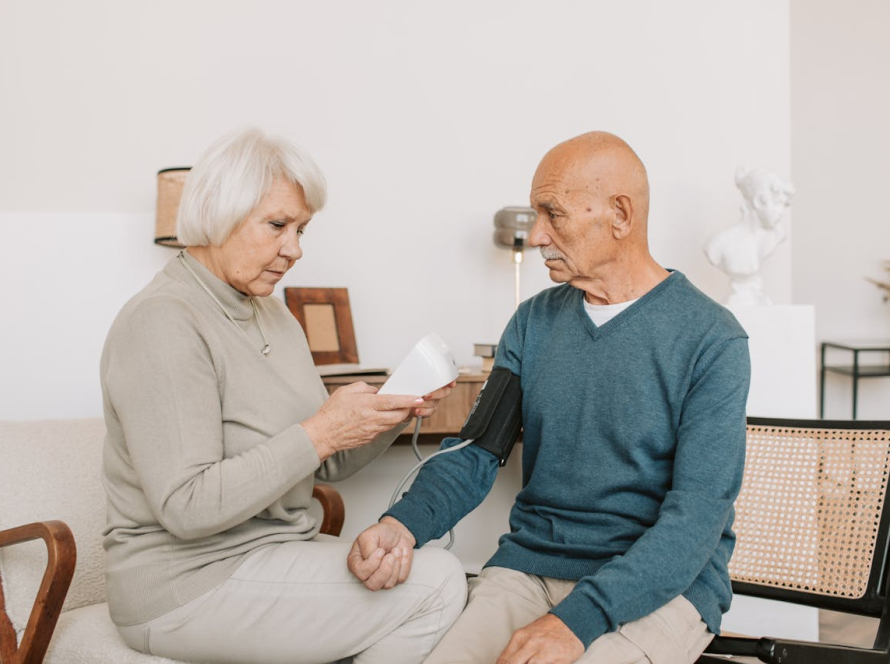
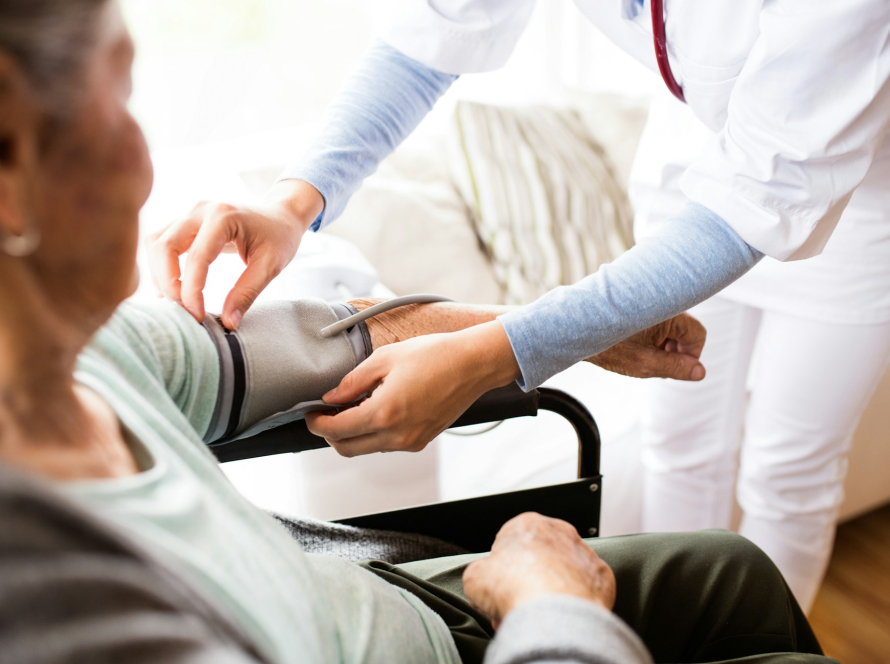
Another crucial aspect of health management in nursing homes is the remote monitoring of residents with chronic conditions. For instance, technology has made it possible to monitor blood glucose levels seamlessly for those with diabetes or track blood pressure for individuals with hypertension. The comprehensive and timely data collection enabled by these devices allows caregivers to make informed decisions about individualized care plans and preemptively address health concerns.
Medication Management Systems
One of the most significant challenges faced by nursing homes is the proper management and administration of medications to residents. By leveraging electronic medication management systems, facilities can notably reduce the risk of medication errors while ensuring that each resident receives their prescribed medications at the right dosage and the proper time. These systems provide a centralized platform to store and organize essential information about residents’ medical histories, drug interactions, and allergies, helping nursing home staff be more attentive to each resident’s unique medical needs.
Additionally, electronic medication management systems have automated features such as alerts and reminders that help nursing home staff stay on top of medication schedules and eliminate manual tracking errors. This increased level of efficiency and organization translates to a safer environment for nursing home residents while also alleviating some of the burdens on caregivers.
Telemedicine and Remote Consultations
Telemedicine provides nursing home residents with unparalleled access to specialized care and consultations. Through video conferencing and remote consultations, residents can connect with healthcare providers, such as geriatricians, psychiatrists, and specialists, without leaving the comfort and safety of their nursing home. This immediate access to healthcare services is particularly essential in rural or remote areas where specialized medical care may not be readily available.
Beyond the convenience factor, telemedicine offers benefits such as reduced travel time and expenses for residents and their families and timely intervention in critical situations or emergencies. In a world where healthcare accessibility is vital, telemedicine can meaningfully improve nursing home residents’ quality of care.
Strengthened Communication and Engagement
Technology plays a vital role in fostering communication and engagement between nursing home residents, staff, and families. Modern smartphone applications and platforms offer secure, HIPAA-compliant messaging and video calling features that facilitate regular communication between nursing home staff and residents’ families. These platforms enable family members to be more involved in their loved one’s care and stay informed about facility activities and updates.
Moreover, technology has paved the way for social engagement and recreational opportunities for nursing home residents. Today’s seniors are increasingly tech-savvy, and facilities can offer various digital activities such as computer games, virtual reality experiences, and online social communities that promote cognitive stimulation and reduce feelings of isolation and loneliness.
Conclusion
The integration of technology into nursing homes has revolutionized elder care and presents a promising solution to enhance the safety and well-being of elderly residents. As we embrace these innovative advancements, we can better safeguard seniors from potential abuse and neglect while also ensuring they receive the attentive care they deserve.
If you have concerns about the care of your loved one in a nursing home or have questions about how technology can enhance their quality of life, Jehl Law Group is here to provide support and guidance throughout this critical process. Get in touch with our nursing home abuse lawyers today for more information!