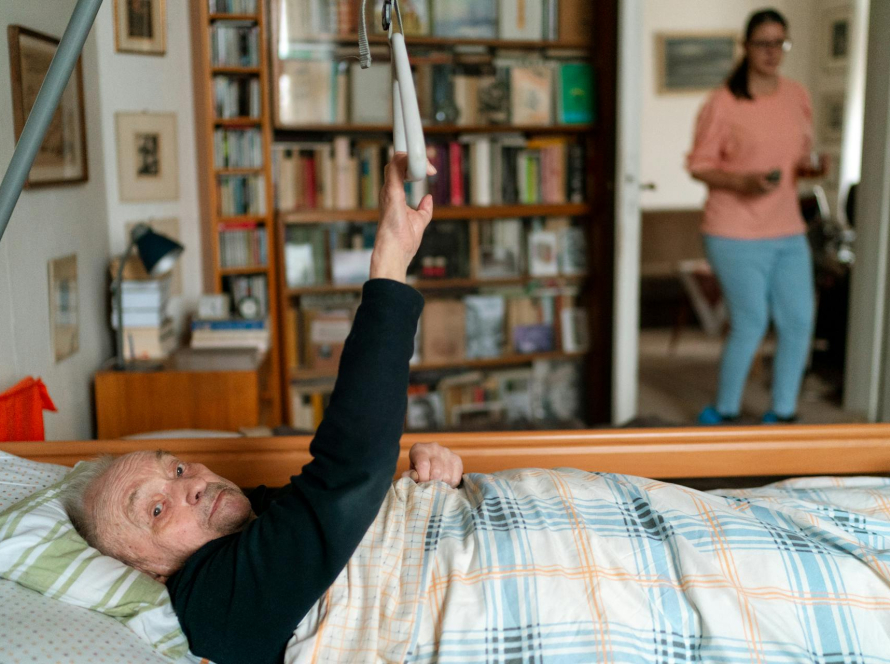
Caring for elderly family members often involves considering nursing homes as a viable option for their long-term care needs. Yet, like any facility that deals with health and well-being, nursing homes have their unique set of challenges. Understanding these common issues and knowing how to address them can significantly impact the quality of care your loved ones receive. It’s important to spot potential problems early on, to ensure a safe and nurturing environment for residents.
Whether it’s because of stories we’ve heard or personal experiences, we know that not everything in nursing homes always goes smoothly. Sometimes issues like understaffing, neglect, or inadequate facilities can hinder the level of care a resident receives. By being informed and proactive, you can make a difference in addressing these challenges and ensuring your loved ones receive the care they deserve.
Common Issues in Nursing Homes
Navigating the world of nursing homes requires being alert to several common issues that might arise. In many cases, understaffing is a fundamental concern. This occurs when there aren’t enough caregivers to attend to all the residents adequately. Unfortunately, lack of personnel often leads to rushed care routines, missed medications, or insufficient personal attention to residents’ needs.
Another major concern is hygiene. Poor cleanliness can lead to infections and other health problems for residents. When visiting, it’s crucial to note the overall cleanliness of the facility, including shared spaces like dining halls and restrooms. The presence of unpleasant odors, unclean bedding, or dirty surfaces can be red flags indicating a lapse in proper hygiene practices.
Lack of medical attention is also a significant issue within these facilities. Residents in nursing homes typically require regular medical assessments and timely intervention for health concerns. Facilities that lack adequate medical care can jeopardize the health and safety of residents.
Challenges in these areas might seem daunting, but recognizing the warning signs early on can help you handle them effectively. Here are some things to watch for:
– Changes in personal hygiene: Lack of assistance in personal care tasks like bathing or grooming could indicate understaffing or neglect.
– Unexplained injuries: Frequent bruising or injuries can suggest inadequate supervision or potential abuse.
– Emotional withdrawal: A noticeable change in mood or behavior could be a sign that a resident is not receiving proper emotional or social support.
By keeping these potential issues in mind, and knowing the signs to look for, families can play a critical role in ensuring their loved ones are safe and well cared for.
Recognize Signs of Neglect
It’s key to be watchful for signs that might suggest neglect in a nursing home. Physical signs can include unexplained bruises or bedsores, indicating residents aren’t being moved or cared for properly. Behavioral changes can also signal problems. Residents may show signs of depression, anxiety, or even fear when caregivers are around.
Emotional neglect is harder to spot but just as damaging. Residents who are emotionally neglected might feel isolated and lonely. They may stop participating in activities they once enjoyed or withdraw from social interactions. It’s crucial to engage with them, asking open-ended questions about their day-to-day experiences.
To catch these signs early, visit frequently and at different times. Speak with staff to get an idea of the level of care provided. Pay attention to your loved one’s appearance and surroundings, checking for cleanliness and signs of proper care. These routine visits can make a big difference in spotting neglect early on and taking corrective actions.
How to Report Nursing Home Neglect
If you suspect neglect, it’s important to report it promptly to protect your loved one and other residents. Start by documenting your concerns. Write down the dates, times, and specific issues you notice, along with any conversations you have with staff about these issues. This record will be useful in demonstrating the pattern of neglect.
Next, reach out to the nursing home’s administration. Share your documented concerns and ask for an explanation. Often, this step can lead to improved care as the facility seeks to address these concerns. If the administration doesn’t resolve the issue, it’s time to escalate it.
Contact local authorities or elder care organizations in your area. These can include:
1. Adult Protective Services (APS)
2. The Long-Term Care Ombudsman
3. Local health department or licensing agency
In Memphis, you can reach these organizations for further assistance and ensure action is taken. They can investigate the situation and ensure that necessary steps are taken to correct the issue.
Legal Support and Resources
In cases where neglect persists despite reporting it to the proper authorities, exploring legal options might be necessary. Various legal avenues can force a change in the facility’s practices or address the harm done to residents. Seeking professional help from legal experts can guide you through complex legal procedures and ensure the right actions are taken.
There are several legal resources available for families dealing with nursing home neglect. These professionals can provide advice on how to proceed based on the specifics of your situation.
Ensuring Continued Care and Safety
Once the immediate issues are resolved, it’s important to focus on long-term care solutions to maintain a safe environment for your loved one. Regular visits and consistent communication with the facility’s staff can help keep you informed and involved in your family member’s care.
Monitoring their health and emotional well-being is essential. Ask your loved one about their experiences, encouraging openness about any concerns they may have. Suggest activities that involve other residents to promote social interactions, which are a vital part of emotional health.
Staying informed and proactive can prevent many common issues from escalating. By being active participants in your loved one’s care, you can ensure they remain happy and healthy in their chosen residence.
Taking Action for Your Loved Ones
It’s easy to feel anxious about the care of those we love, especially when they’re in a nursing home. But you can help make their environment better by being informed and active in their care. Each visit is an opportunity to notice what’s going on and push for improvements when needed.
By knowing the issues, recognizing the signs of neglect, and understanding how to report and address problems, you’re equipped to protect your loved ones. Encourage them to speak up about their needs and experiences, assuring them of your support. Taking these steps helps ensure a positive and supportive environment where they can thrive and enjoy their golden years with dignity and respect.
If you’re ready to take the steps needed to safeguard your loved ones and ensure quality care, it’s time to act. When you suspect problems, report nursing home neglect promptly to protect those who matter most. For specialized guidance on your options, explore the wide range of legal support available through Jehl Law Group’s practice areas. Remember, advocating for proper care begins with informed action.