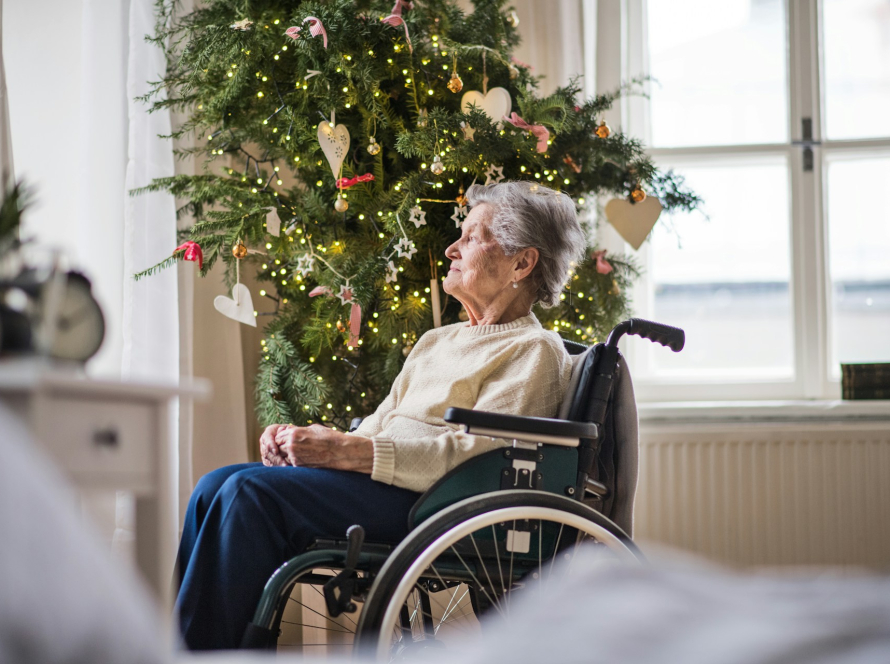
As our loved ones age, their risk of falls and associated injuries increases. Fall-related accidents constitute a significant concern in seniors’ lives and can lead to a loss of independence, hospitalization, and even fatalities. By proactively addressing fall hazards and adopting safety measures, families can help ensure the well-being and comfort of their elderly relatives within a home environment.
At Jehl Law Group, our experienced attorneys are well-versed in various aspects of elder law, such as nursing home abuse and neglect, including cases involving preventable falls. We recognize the importance of creating a safe home environment for elderly individuals and are dedicated to providing helpful information and resources for families who seek to address fall risks and promote senior safety.
By implementing these strategies, families can contribute to a safer and more comfortable home environment for their elderly loved ones, allowing them to maintain independence and well-being throughout their golden years.
Identifying Fall Hazards
To effectively safeguard seniors against fall hazards within the home, it is crucial to first identify potential risks. Conducting a thorough evaluation of the living space can uncover areas that may require attention, enabling families to address potential hazards proactively. Common household hazards that contribute to falls include the following:
1. Cluttered walkways: Obstructed pathways can pose a tripping hazard. Ensure walkways are clear of clutter and obstructions.
2. Poor lighting: Insufficient lighting can make it difficult for seniors to navigate their homes safely. Assess the lighting conditions in various rooms and common areas to ensure adequate visibility.
3. Slippery surfaces: Wet or slippery surfaces in the bathroom, kitchen, or other areas can increase the risk of falls. Consider installing non-slip mats in areas where this is a concern.
4. Loose carpets or rugs: Carpets or rugs that are not properly secured can pose a tripping hazard. Use non-slip pads or double-sided tape to fix this issue.
5. Unstable furniture: Evaluate furniture stability to ensure seniors can safely lean on items such as chairs or beds for support when needed.
Home Modification Strategies
Implementing appropriate home modifications can significantly reduce fall risks and promote senior safety. The following strategies can help:
1. Install handrails and grab bars: Handrails on both sides of staircases, as well as grab bars in bathrooms, can provide seniors with additional support and stability.
2. Ensure proper stair design: Stairs should have consistent height and depth treads, along with non-slip surfaces and edge-contrast markers. Implement these features if they are not already in place.
3. Improve accessibility: Installing ramps or chair lifts can assist seniors with mobility limitations, reducing the need to navigate steps or inclines.
4. Adjust furniture layout: Arrange furniture to create easy-to-navigate pathways and keep frequently used items within reach to avoid unnecessary stretching or bending.
5. Utilize technology: Consider implementing assistive devices such as voice-activated home assistants for seniors to easily control lights, thermostats, and other household functions without the need for mobility.
Emergency Preparedness
In the event of a fall, being prepared and having an emergency response plan is essential. Equip your elderly loved ones with the necessary tools and knowledge to seek help efficiently. Some essential steps include the following:
1. Keep a list of emergency contacts: Compile a list of essential contact numbers, including family members, neighbors, and healthcare providers, readily accessible for seniors to use during emergencies.
2. Invest in a medical alert system: Medical alert systems can provide seniors with a sense of security, knowing they can easily summon help in the event of a fall.
3. Teach seniors to use a cell phone: Ensuring seniors know how to use a cell phone can be invaluable in emergency situations.
4. Plan and practice: Develop an emergency response plan with your elderly loved ones, addressing various scenarios they may encounter. Practice the plan regularly to reinforce their ability to execute it when necessary.
Ongoing Support and Monitoring
Creating a safe and comfortable home environment for seniors requires continuous monitoring and support. Keep the lines of communication open with your elderly loved ones, discussing any concerns and addressing potential risks as they arise. Some additional tips include the following:
1. Schedule regular visits: Plan routine visits with seniors, observing their mobility and monitoring their living spaces for potential hazards.
2. Encourage open communication: Make it clear to your elderly loved ones that they can express their concerns or needs without fear of being a burden.
3. Monitor health and well-being: Regular healthcare checkups help ensure seniors remain in optimal health. Encourage them to discuss any symptoms or concerns with their healthcare providers promptly.
4. Stay informed: Educate yourself on seniors’ changing needs and health conditions, understanding how these changes may affect their safety or mobility within the home.
Conclusion
Protecting seniors from fall hazards within the home involves a proactive approach, beginning with identifying potential risks and implementing appropriate modifications. By focusing on prevention, emergency preparedness, and ongoing support, families can create a safe and nurturing environment for their elderly loved ones, promoting independence and well-being.
If you or a loved one has suffered from falls & fractures in a nursing home, don’t hesitate to reach out to Jehl Law Group. Our experienced falls & fractures lawyers can help protect your rights and recover compensation for any injuries or damages caused by negligence. Remember, your loved one’s safety and well-being are our top priority, and we’re here to help you take the necessary legal steps to ensure justice is served.