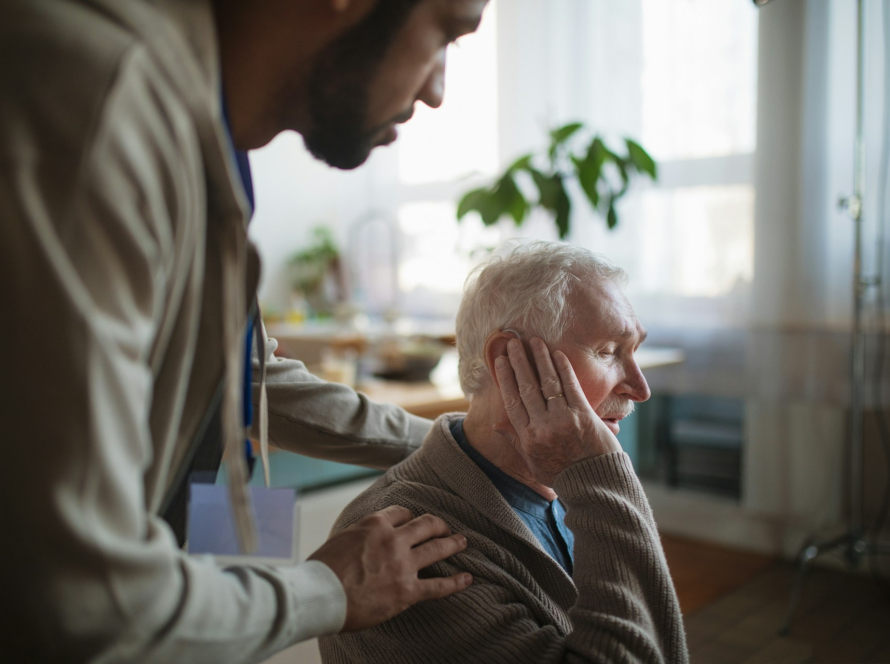
Proper nutrition is essential for the overall well-being and health of elderly individuals, especially those residing in nursing homes. Inadequate nutrition in nursing homes can not only impact residents’ overall health but also contribute to the risk of neglect and abuse in these facilities. It’s crucial for families to understand the importance of proper nutrition for their elderly loved ones and take the necessary steps to ensure their dietary needs are being met.
Malnutrition and dehydration are prevalent issues facing nursing home residents across the United States. According to research, up to half of the elderly population in long-term care settings may experience some form of malnutrition. This alarming statistic highlights the need for proper nutrition management within nursing homes to prevent further complications that can arise from inadequate care, including increased susceptibility to infections, reduced muscle strength, impaired cognitive function, and heightened risk for falls and injuries.
This article will discuss the crucial role nutrition plays in preventing nursing home abuse, how to identify concerns related to inadequate nutrition, and steps you can take to ensure the dietary needs of your loved ones are appropriately addressed. With guidance from Jehl Law Group attorneys, who are experienced in nursing home abuse cases and licensed in Tennessee and several other states, including Arkansas, Illinois, Kentucky, Mississippi, Missouri, and Pennsylvania, we can help protect your elderly loved ones from the dangers resulting from neglect and abuse in nursing homes.
The Importance of Proper Nutrition for Elderly Nursing Home Residents and How It Can Help Prevent Abuse
Recognizing the vital role nutrition plays in the overall quality of life for elderly individuals is essential in preventing nursing home abuse and neglect. This article will discuss the importance of proper nutrition for nursing home residents, how to identify concerns, and what steps can be taken to address this crucial aspect of elderly care.
Understanding the Consequences of Malnutrition in Nursing Homes
Malnutrition in nursing homes can detrimentally affect residents’ health and well-being, which in turn may lead to neglect and abuse. Some consequences of malnutrition include:
1. Weakened Immune System: Malnutrition can impair the immune system, increasing the risk of infections and complicating pre-existing medical conditions.
2. Decreased Cognitive Function: Poor nutrition can negatively affect cognitive function and memory, leading to disorientation and inability to communicate instances of abuse or neglect.
3. Reduced Muscle Strength: Insufficient nutrition can contribute to muscle weakness and increased vulnerability to falls and injuries.
4. Mood Changes: Inadequate nutrition may cause mood fluctuations and depression, affecting residents’ emotional well-being and overall quality of life.
By addressing nutrition concerns, families can help protect their elderly loved ones from abuse related to neglect and inadequate care in nursing homes.
Identifying Nutrition Concerns in Nursing Homes
Detecting the signs of inadequate nutrition in nursing homes is a critical step in protecting the elderly from abuse and neglect. Some common indicators of malnutrition include:
1. Unexplained Weight Loss: A steady decline in body weight can signal inadequate nutrition, particularly when residents have no known underlying medical conditions that may contribute to this weight loss.
2. Changes in Appetite: Decreased or inconsistent appetite, coupled with signs of malnutrition or dehydration, may indicate underlying issues in proper care.
3. Poor Wound Healing: Slow healing of wounds or sores may result from poor nutrition or dehydration.
4. Frequent Illnesses: A pattern of regular illnesses or infections can reveal underlying immunodeficiency caused by malnutrition.
By recognizing these red flags, families can take timely actions to address the nutritional needs of their loved ones.
Effective Strategies to Address Nutrition Concerns
To ensure proper nutrition in nursing homes and reduce the risk of abuse, families can implement various strategies:
1. Monitor Meal Plans and Nutritional Intake: Regularly review your loved one’s meal plans, portion sizes, and dietary restrictions. Ensure that the facility provides balanced, varied, and age-appropriate meals to all residents.
2. Communicate with Staff and Management: Engage in open conversations with nursing home staff about your loved one’s nutritional needs and any concerns you may have regarding their diet. Discuss alternative food options, dietary supplements, or specialized nutritional care, if necessary.
3. Advocate for Proper Hydration: Encourage your loved one to drink water regularly and ask the nursing home staff to monitor hydration levels closely. Check for signs of dehydration, such as dry skin, dark-colored urine, or confusion.
4. Observe and Document: Keep records of your loved one’s weight changes, appetite, and general well-being. Document any concerns to discuss with the nursing home staff or medical professionals as needed.
Addressing nutrition concerns promptly and effectively can help protect the elderly from potential abuse related to malnutrition or neglect.
Preventing Malnutrition-Related Abuse in Nursing Homes
Preventing malnutrition-related abuse requires ongoing vigilance and proactivity. Here are some steps to ensure the long-term well-being of elderly residents in nursing homes:
1. Establish Open Communication: Maintain good communication with nursing home staff and management, ensuring they are receptive to your concerns and open to implementing necessary changes.
2. Regularly Visit Your Loved One: Frequent visits not only allow you to monitor your loved one’s health but also establish a visible presence in the facility and hold staff accountable.
3. Stay Informed and Updated: Keep yourself informed about best practices in elderly nutrition and stay updated on any changes within the nursing home facility or regulations.
Supporting the Nutritional Needs of Elderly Nursing Home Residents
Proper nutrition is an essential aspect of elderly care in nursing homes, contributing to overall health, well-being, and abuse prevention. By recognizing and addressing concerns related to malnutrition or dehydration, families can play a vital role in safeguarding their loved ones from abuse and neglect.
Jehl Law Group attorneys, who are experienced in nursing home abuse cases in Tennessee and several other states, including Arkansas, Illinois, Kentucky, Mississippi, Missouri, and Pennsylvania, are here to support your efforts in preventing nursing home abuse and promoting the well-being of your elderly loved ones.
Contact us today to discuss your concerns and learn how we can help protect your loved one’s right to proper nutrition and care in nursing homes.