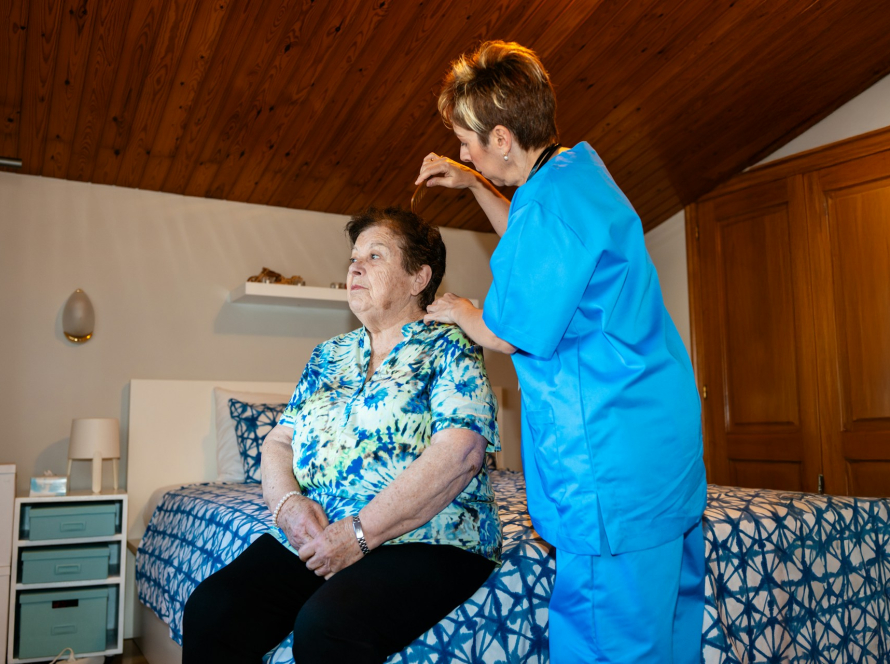
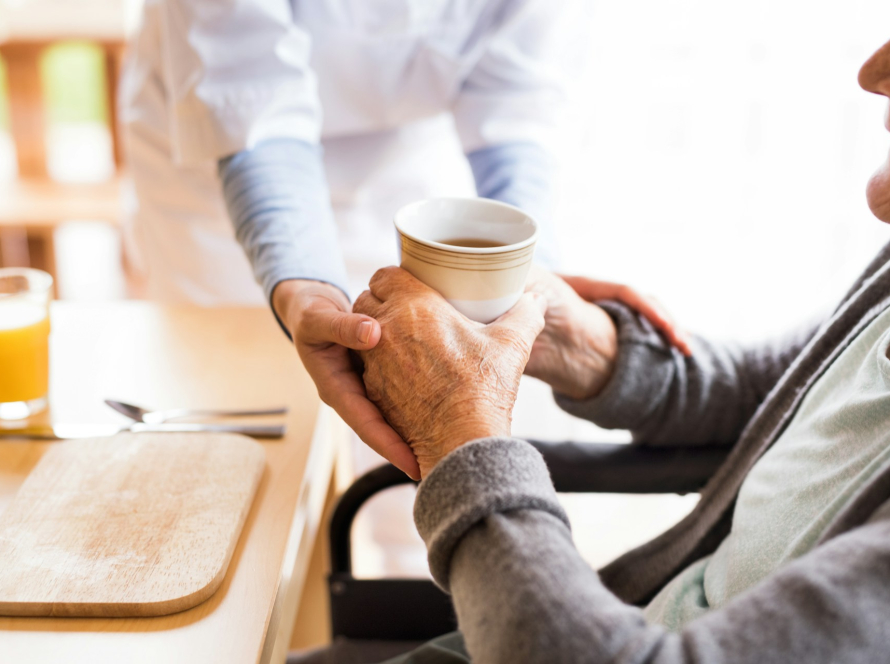
As the cold grip of winter takes hold, nursing homes can become hotspots for illness outbreaks among residents. These facilities, filled with vulnerable elderly individuals, are particularly susceptible to the spread of common winter ailments. Understanding the impact and legal concerns surrounding these outbreaks is crucial for residents, their families, and caregivers. This can help ensure that appropriate care is provided and rights are upheld.
Winter illnesses, like flu and respiratory infections, often sweep through nursing homes, sometimes gaining a foothold due to close living quarters and shared spaces. While these diseases pose a significant health risk, being aware of legal protections and options is essential. Bringing nursing home complaints to light not only addresses immediate concerns but also promotes better care practices moving forward.
Common Winter Illnesses in Nursing Homes
Winter can be tough on everyone’s health, but it’s particularly challenging for elderly residents in nursing homes. Several illnesses become more prevalent during this season, creating unique challenges for these facilities. Here’s a quick look at what to watch out for:
1. Flu: An annual concern, the flu spreads easily and can have severe consequences for seniors. Vaccination can help, but even with precautions, outbreaks can still occur.
2. Respiratory Infections: Conditions like pneumonia and bronchitis are more common in winter and can spread rapidly among residents.
3. Norovirus: Often linked to stomach-related symptoms, norovirus is highly contagious and can lead to outbreaks in communal living environments.
These illnesses don’t just affect health; they also impact overall care quality. Seniors may require more extended supervision, additional hygiene measures, and prompt medical attention to manage symptoms effectively. The sheer volume of cases can strain nursing home resources, sometimes leading to oversight or inadequate care, which raises legal concerns about residents’ rights.
Legal Rights of Nursing Home Residents
Residents in nursing homes are entitled to specific legal rights designed to protect their well-being and ensure they receive proper care. These rights are especially important during illness outbreaks:
– Right to Adequate Care: Nursing homes have a responsibility to provide safe and competent care. This includes taking proactive measures to prevent the spread of illness and ensuring timely medical treatment.
– Right to Information: Residents and their families should be informed about illness outbreaks and the steps taken to address the situation.
– Right to Personal Care: This involves maintaining hygiene, comfort, and personal health, which becomes even more critical during a health crisis.
Understanding these rights helps residents and families recognize when standards are not being met, allowing them to address issues before they escalate. During an outbreak, keeping open lines of communication with the facility can help ensure that care remains a priority, and helps when considering whether to report nursing home complaints.
Recognizing and Reporting Nursing Home Neglect
It’s crucial to be diligent in recognizing signs of neglect, particularly during the harsh winter months when illness outbreaks are more likely. Some common indicators might include a lack of cleanliness, untreated medical conditions, frequent illnesses that aren’t properly managed, and noticeable weight loss due to inadequate nutrition. Emotional signs can be just as telling, such as sudden changes in mood or behavior, which could suggest emotional distress or mental neglect.
Should you suspect that a loved one isn’t receiving the care they need, it’s important to take swift action. Start by documenting any concerns. Keep a record of specific instances of neglect or inadequate care. Dates, times, and descriptions are useful for building a thorough record.
Next, consider reporting these issues to the nursing home administration. Often, bringing concerns to the attention of management can lead to immediate improvements. However, if the response from the facility is lacking, or if there’s a serious risk to residents’ health and safety, you may need to escalate the complaint to local authorities or an ombudsman.
Reporting nursing home complaints can be a powerful way to protect your loved one and improve care standards. Knowing the channels available can make a difference, particularly during challenging times when residents are most vulnerable to neglect.
How Jehl Law Group Can Help
For those navigating the complexities of elder care and legal rights, expert guidance can offer reassurance and clarity. Our experience in managing nursing home neglect cases means we understand the unique issues residents and their families face during illness outbreaks. We’ll work closely with you to assess your situation and explore legal options, ensuring that the rights of your loved ones are protected and upheld.
Safeguarding Loved Ones During Winter
Family members play a key role in ensuring the safety of nursing home residents, especially during the winter when health risks are higher. Here are some practical steps you can take:
– Stay Informed: Keep track of flu seasons and current health alerts from reputable sources.
– Visit Regularly: Regular visits can help you monitor care standards and make residents feel supported.
– Communicate: Engage in regular dialogue with nursing home staff to understand how they prevent and manage illness outbreaks.
Taking these steps not only helps protect residents during winter but also provides peace of mind to their families, knowing they are doing everything possible to ensure their loved ones’ well-being.
Ensuring a Safe Winter Season
Understanding the rights of nursing home residents and recognizing the signs of neglect are key to ensuring a safe and healthy winter season. By taking an active role in their care and remaining vigilant, families can help prevent neglect and ensure that residents receive the attention they need.
Actively engaging with nursing home staff and being prepared to report any concerns can result in positive changes. Remember that professional guidance is available to help navigate any complex legal issues, providing additional support and assurance. Protecting our loved ones often requires both vigilance and action, especially when their health and safety are on the line.
If you notice signs of neglect or feel that issues aren’t being addressed adequately, exploring your options for reporting could pave the way for better care. Understanding how to handle nursing home complaints is key to protecting those you care about. Contact Jehl Law Group to learn more about how we can support you and ensure your loved ones receive the care they deserve.