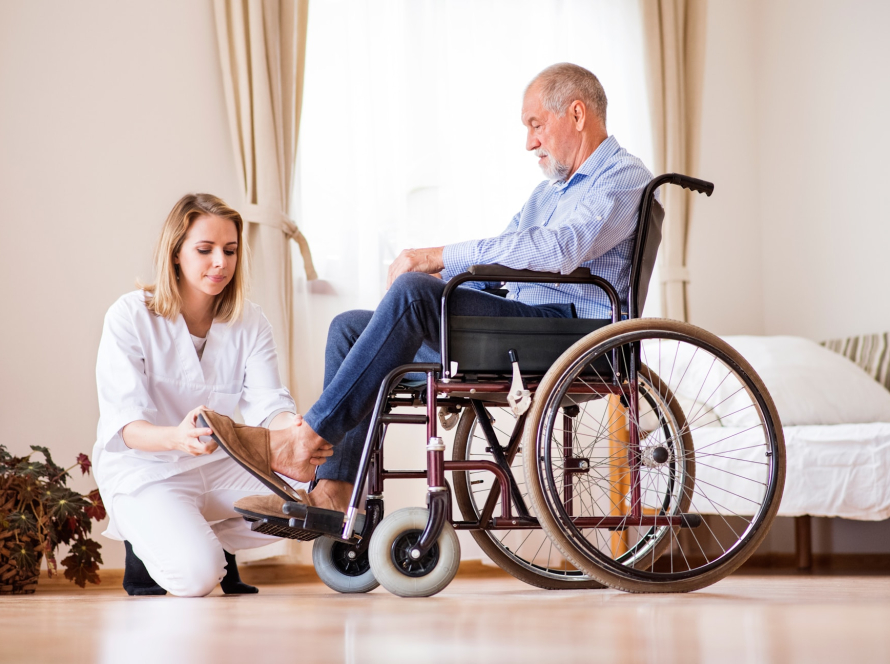
When it comes to ensuring the safety and well-being of elderly loved ones in nursing homes, many families find themselves worried about various concerns. Nursing homes are meant to be safe havens for our seniors, providing the care and attention that they need in their twilight years. However, the trust that families place in these facilities can be shaken if any issues arise. Whether it’s a question of health care, living conditions, or personal treatment, paying attention to potential warning signs is crucial for the peace of mind of both families and residents.
Addressing these concerns head-on is important for maintaining the dignity and health of nursing home residents. With the right approach, families can identify, report, and take action on problems effectively, ensuring that their loved ones are safe and well-cared-for. Let’s take a closer look at some common nursing home concerns and explore what you can do if they arise.
Common Nursing Home Concerns
In nursing homes, various issues can affect residents’ well-being. It’s important to recognize potential markers of trouble promptly. Common concerns often include:
– Unexplained Injuries or Frequent Falls: If you notice unexplained bruises or frequent falls, this could be a sign of inadequate supervision or unsafe conditions. Regularly check your loved one’s physical condition for signs of distress.
– Poor Hygiene and Living Conditions: Pay attention to cleanliness in both personal grooming and living environments. Dirty rooms and residents with poor hygiene can indicate neglect or understaffing.
– Emotional and Psychological Abuse: Be aware of changes in your loved one’s mood or behavior. Withdrawal, fearfulness, or unexplained agitation could point to emotional abuse.
– Financial Exploitation: Keep an eye on your loved one’s financial records for any unusual transactions or changes in spending habits. Financial abuse often involves unauthorized use of funds or manipulation.
– Inadequate Medical Care: Monitor health conditions and medical treatments closely. Delays in receiving necessary care or medication might signal a larger issue with medical negligence.
These concerns can severely impact the quality of life of nursing home residents, making it important to address them as soon as they appear. By staying observant and proactive, families can ensure their loved ones receive the care and respect they deserve within these facilities.
Identifying and Reporting Concerns
When it comes to ensuring your loved one’s safety in a nursing home, spotting the warning signs is key. Watch for changes in their mood, appearance, and overall well-being. For example, your normally cheerful grandmother might suddenly become withdrawn, or she might have bruises she can’t explain. These are signs that something might be wrong.
Initially, start by keeping a detailed record of any concerns. Write down changes you notice, such as unexplained injuries or behavior shifts. Documenting these observations can be helpful if you need to report your concerns later. It’s wise to also gather any supporting evidence, like photographs or notes from conversations with staff.
Next, take action by reporting your concerns to the right authorities. This could be to the facility’s management or state agencies overseeing nursing home care. Many states have specific hotlines you can call to file a complaint. Engaging with elder care advocacy groups can provide additional support and guidance throughout this process.
Legal Steps to Address Nursing Home Concerns
Understanding the legal protections available to nursing home residents is important. Residents have specific rights, such as the right to be treated with respect and to receive proper medical care. If these rights are violated, there are steps you can take.
An elder law attorney can offer invaluable support in addressing these issues. They can help you understand the legal landscape and advise on the best course of action. Whether it’s filing a formal complaint or pursuing legal action, an attorney knows the ins and outs of these cases.
If negligence or abuse is suspected, potential legal actions could include filing a lawsuit against the responsible parties or seeking compensation for damages. However, it’s essential to focus on the ultimate goal—ensuring your loved one’s safety and well-being.
Preventative Measures and Resources
Preventing issues before they arise is always better than having to deal with them later. Choose a nursing home carefully. Look for high ratings and positive reviews, and make multiple visits to ensure the facility meets your expectations.
Monitor your loved one’s care regularly. Routine visits can help you catch issues early. Utilize available resources, such as support groups and legal aid services, which can offer advice and assistance in navigating these challenges.
Keeping open communication with nursing home staff is also important. Engage with caregivers and express any concerns promptly. This not only helps in maintaining transparency but also builds a good relationship with those looking after your loved one.
Acting to Ensure Safety
Time is of the essence when ensuring the well-being of elderly relatives in nursing homes. Swift and effective action can make all the difference. It’s all about being proactive and staying engaged with your loved one’s care. By understanding the signs of potential issues and knowing the steps to address them, you can help ensure your loved one’s safety. Prioritize their health and rights. Be their advocate and strive for the best care possible.
If you’re noticing signs that something may be wrong with a loved one’s care, understanding how to respond to nursing home concerns can help you protect them sooner rather than later. Jehl Law Group is here to offer the guidance and support you need to move forward with confidence.