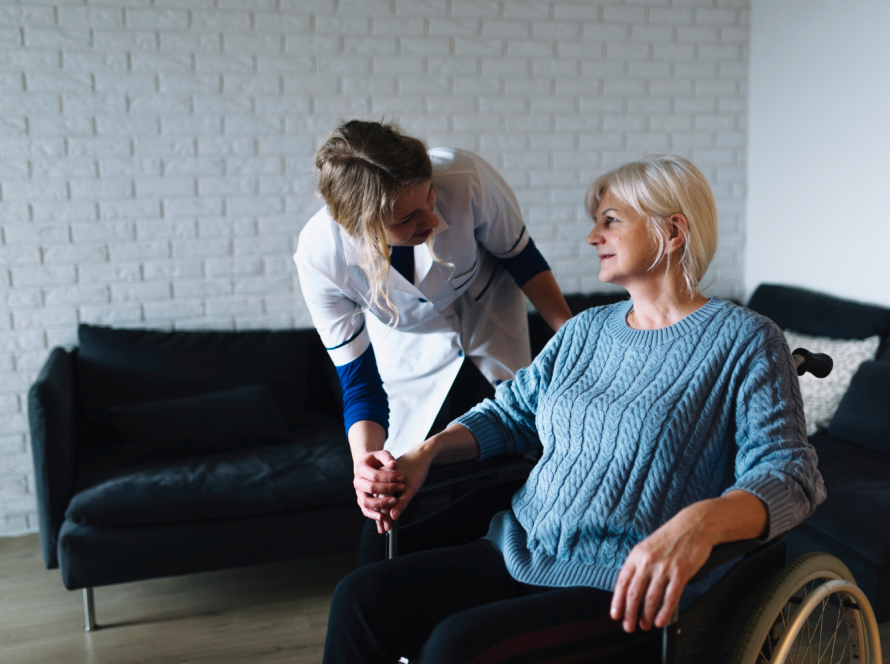
Imagine a peaceful day in a nursing home suddenly disrupted by the sound of a resident’s fall. This unsettling scenario highlights the critical importance of managing transfers correctly in these facilities. Ensuring that residents are safely moved from one place to another is essential not only for their well-being but also for maintaining their dignity and independence. An improper transfer can cause serious injuries, leading to additional health concerns and a decline in the resident’s overall quality of life. By addressing this issue, we not only protect those under care but also foster a safer environment for everyone involved.
One key aspect of maintaining safety in nursing homes is the focus on what experts call “falls prevention in nursing homes.” This approach involves identifying and mitigating risks that could lead to falls, particularly during resident transfers. With Memphis being home to many elder care facilities, attention to such safety measures is increasingly necessary. By understanding common causes of falls and implementing effective prevention strategies, we can reduce these incidents significantly and improve the day-to-day experiences of nursing home residents.
Common Causes of Falls During Transfers
Understanding the root causes of falls during transfers is the first step toward preventing them. Several factors can contribute to these incidents, many of which are entirely avoidable with the right attention and care.
– Improper Techniques: Sometimes, falls occur simply because the correct methods aren’t being followed. Staff might not position themselves properly or use the right techniques when helping a resident move from a bed to a wheelchair. This can lead to unsteady transfers, increasing the risk of a fall.
– Inadequate Staff Training: Proper training for staff members isn’t just beneficial; it’s crucial. Workers who aren’t thoroughly trained in correct transfer methods are more likely to make mistakes that could lead to falls. Regular and comprehensive training helps ensure that everyone knows the safest and most effective ways to handle residents during transfers.
– Equipment Failures or Misuse: The tools used in transfers—like lifts, harnesses, and wheelchairs—must be in good working order and used correctly. If they’re not maintained properly or if staff members aren’t familiar with their operation, the consequences could be dire. Regular checks and user training are vital to prevent equipment-related incidents.
By focusing on these areas, nursing homes can not only reduce the number of falls but also improve the overall safety environment for both residents and staff. Proper transfer techniques, combined with well-trained personnel and reliable equipment, are the cornerstones of an effective falls prevention strategy.
Prevention Strategies
Preventing falls during transfers requires a proactive approach, where staff training and equipment play a significant role. Ensuring staff are well-trained in both the basics and nuanced details of resident transfers helps them understand what to do and what to avoid. Training programs that offer regular refreshers ensure that staff retain their skills and stay updated on any new techniques or equipment.
Another layer of prevention involves using the right tools and making sure they work properly. Regular maintenance checks on lifts, harnesses, and wheelchairs can prevent unexpected failures that might lead to falls. Introducing schedules for equipment servicing can help catch issues early and fix them before they become larger problems. Perfectly operating equipment not only shields residents but also provides peace of mind for staff.
A personal touch is also crucial. Tailoring care plans to suit each resident’s unique needs allows staff to understand the best methods and tools for safe transfers. Personalized plans can include everything from preferred routines to specific mobility issues. Regular updates to these plans ensure that they reflect any changes in a resident’s condition, providing the best and safest care possible.
Recognizing Warning Signs
Sometimes, preventing a fall is as much about keen observation as it is about preparation. Identifying the warning signs of a potential fall, such as a resident who is unsteady on their feet or has difficulty supporting their own weight, is crucial. Recognizing these signs early allows staff to take steps to modify the way transfers are conducted for these residents, using extra care or special equipment as needed.
Routine assessments are key here. Regularly checking each resident’s mobility helps staff notice any changes in physical condition that might increase the risk of falls. With this information at hand, caregivers can adjust techniques or assistive devices accordingly.
Communication between staff and management is another essential aspect of falls prevention. When staff members notice potential risks, they should feel comfortable bringing these issues up with supervisors, who can then take steps to address them. Open lines of communication ensure that concerns are taken seriously and assistance is provided promptly, keeping both residents and caregivers safer.
Steps to Take After a Fall
Unfortunately, despite the best prevention strategies, falls can still occur. When they do, immediate action is necessary to ensure the safety and well-being of the resident involved. The first step is to check for injuries and provide appropriate medical attention if needed. Ensuring the resident is as comfortable and pain-free as possible is the main goal at this stage.
Once the resident’s immediate needs are attended to, the incident should be thoroughly documented. Writing down details like the time, location, and circumstances of the fall can help identify patterns or recurring issues. This information is vital for staff training and for refining existing safety plans.
Finally, it’s essential to revisit and revise the resident’s care plan and transfer protocols in light of the fall. Perhaps the resident’s needs have changed, or maybe there’s a new risk factor that needs to be considered. Reflecting on these incidents with a view to learning from them ensures that future falls can be mitigated more effectively.
Ensuring Safety and Quality Care
Families play a critical role in supporting their loved ones in nursing homes. Staying involved in care discussions and expressing concerns can help ensure that residents receive the best possible care. Family involvement encourages continuous improvement in care strategies and keeps everyone accountable.
Regular policy reviews and a focus on promoting a safety-first culture within nursing homes also hold immense value. Encouraging dialogue among staff on best practices and sharing experiences can help create a robust support system for everyone involved in resident care.
Ensuring everyone remains vigilant and committed to ongoing safety efforts creates an environment where residents can feel secure and valued. By building a circle of care and awareness, nursing homes can better protect residents and enhance their quality of life.
Creating a safer environment in nursing homes takes ongoing effort, including staff education, reliable equipment, and tailored care plans. These steps help limit avoidable risks and support better outcomes. For more insight into how to reduce accidents during resident transfers, explore our approach to falls prevention in nursing homes. Jehl Law Group is here to help protect those you care about with thoughtful, reliable guidance every step of the way.