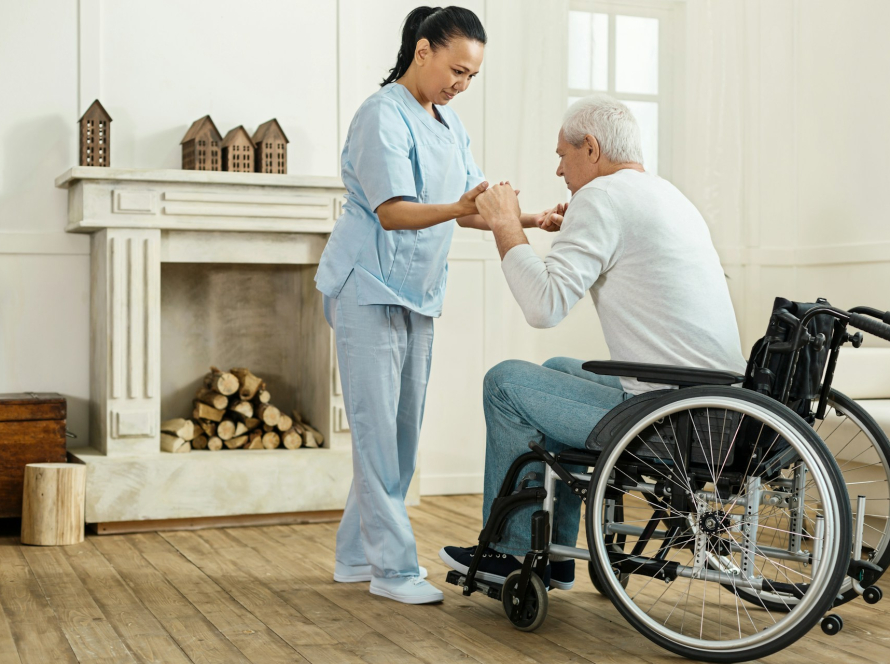
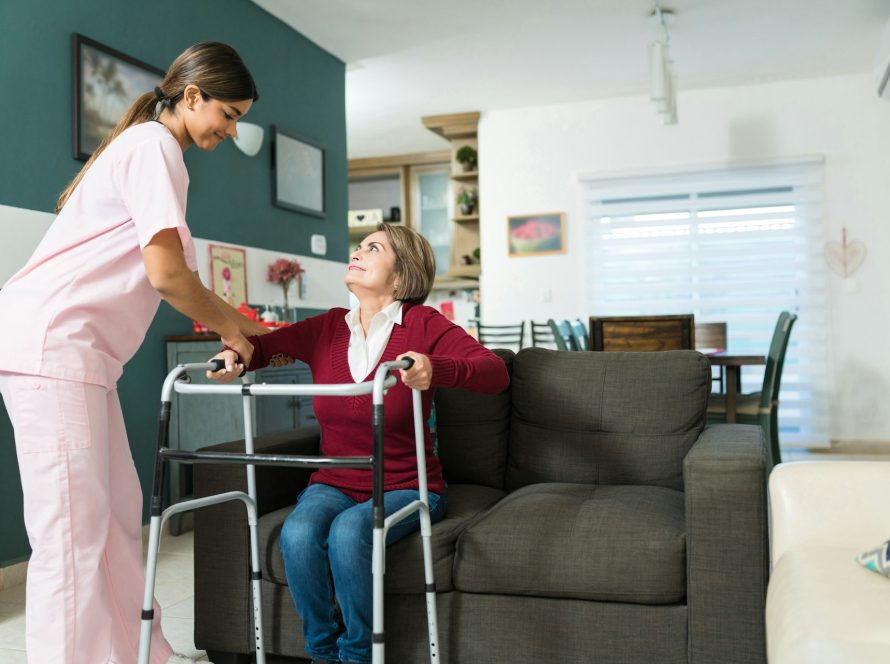
Falls and injuries are among the leading causes of hospitalization and declining health in seniors, particularly for those residing in nursing homes. As we entrust the care of our loved ones to nursing home facilities, it is essential to ensure that steps are taken to minimize the risks of falls and injuries. Reducing these dangers not only protects seniors’ physical well-being but also mitigates potential nursing home abuse and neglect situations that may arise due to inadequate care.
As family members, friends, or caretakers, it is our responsibility to remain vigilant about the environmental and health factors that contribute to falls and injuries in nursing home settings. In this article, we will discuss the common risks, share best practices implemented by nursing homes to prevent falls, and provide guidance on how families can actively take part in ensuring the safety of their loved ones.
With the support of Jehl Law Group attorneys, who are experienced in nursing home abuse cases in Tennessee and several other states including Arkansas, Illinois, Kentucky, Mississippi, Missouri, and Pennsylvania, our goal is to provide the necessary information and tools to minimize falls and injuries for seniors living in nursing homes.
By adopting a preventive approach to falls and injuries, we can help create a safer environment that promotes the overall health and well-being of our loved ones in nursing home communities.
Understanding the Risks: Factors Contributing to Falls and Injuries in Nursing Homes
Several factors contribute to the increased risk of falls and injuries among nursing home residents, including personal health conditions and environmental hazards. Some common factors include:
1. Age-Related Physical Changes: As seniors age, their strength, balance, and mobility can be impacted, making them more susceptible to falls.
2. Medical Conditions: Health issues, such as Parkinson’s disease, diabetes, and other conditions, can contribute to fall risks in seniors.
3. Medication Side Effects: Certain medications may cause dizziness, low blood pressure, or drowsiness, potentially increasing the risk of falls.
4. Environmental Hazards: Inadequate lighting, slippery floors, and cluttered pathways can create tripping hazards in nursing home settings.
By understanding these risks, we can proactively work on strategies to minimize falls and injuries in nursing homes.
Best Practices for Preventing Falls and Injuries in Nursing Homes
Various best practices can help nursing homes to minimize the risk of falls and injuries:
1. Comprehensive Risk Assessments: Regularly completing individualized risk assessments for residents can identify potential hazards and support personalized care plans.
2. Staff Training: Providing adequate training and resources to staff enables them to optimally care for residents and address fall risks.
3. Environmental Management: Nursing homes should maintain a safe and clutter-free environment, featuring appropriate lighting, handrails, non-slip surfaces, and properly fitted assistive devices.
4. Medication Management: Regularly reviewing residents’ medications and limiting the use of medications that may contribute to fall risks can help mitigate potential dangers.
By reinforcing these best practices, nursing homes can create an environment that focuses on fall prevention and ensures residents’ safety.
Involving Family Members and Caretakers in Fall Prevention Efforts
Family members and caretakers can play an essential role in minimizing fall risks and promoting safety for their loved ones in nursing homes.
1. Advocate for Personalized Care Plans: Communicate with nursing home staff to ensure that personalized care plans include fall prevention measures tailored to your loved one’s needs.
2. Monitor Changes in Health and Medication: Stay informed about your loved one’s health conditions and medications, and discuss any concerns with their healthcare providers or nursing home staff.
3. Participate in Care Team Meetings: Attending care team meetings can provide valuable insights into your loved one’s health status, allowing you to support and contribute to their well-being.
4. Encourage Physical Activity: Encourage your loved one to participate in appropriate physical activities designed to improve balance, strength, and mobility, as recommended by their healthcare provider.
By actively engaging in these efforts, family members can effectively contribute to fall prevention and promote safety for their loved ones in nursing homes.
The Role of Technology in Fall Prevention
Technology can provide additional support in preventing falls and injuries, especially when used alongside traditional prevention measures. Examples of technology aiding in fall prevention include:
1. Wireless Sensor Systems: These systems monitor residents’ movements and send alerts to caregivers when potential falls are detected.
2. Advanced Flooring Solutions: Installing specialized flooring materials that absorb impact can reduce the severity of injuries in case of falls.
3. Wearable Devices: Some wearable devices can detect falls and send notifications to caregivers, enabling faster response times.
By integrating appropriate technologies, nursing homes can further enhance their fall prevention efforts and improve overall resident safety.
Protecting Seniors from Falls and Injuries in Nursing Homes
Preventing falls and injuries among seniors living in nursing homes is crucial for ensuring their well-being and reducing the potential for abuse and neglect. By understanding the risks, implementing best practices, involving family in prevention efforts, and leveraging technology, nursing home communities can foster an environment that prioritizes resident safety.
Jehl Law Group personal injury lawyers, with their wealth of experience in nursing home abuse cases across Tennessee and other states, including Arkansas, Illinois, Kentucky, Mississippi, Missouri, and Pennsylvania, are committed to providing guidance and assistance as you work to promote the health and safety of your loved ones in nursing homes. Reach out to us today to learn more about strategies for preventing falls and injuries and safeguarding the well-being of your loved ones.