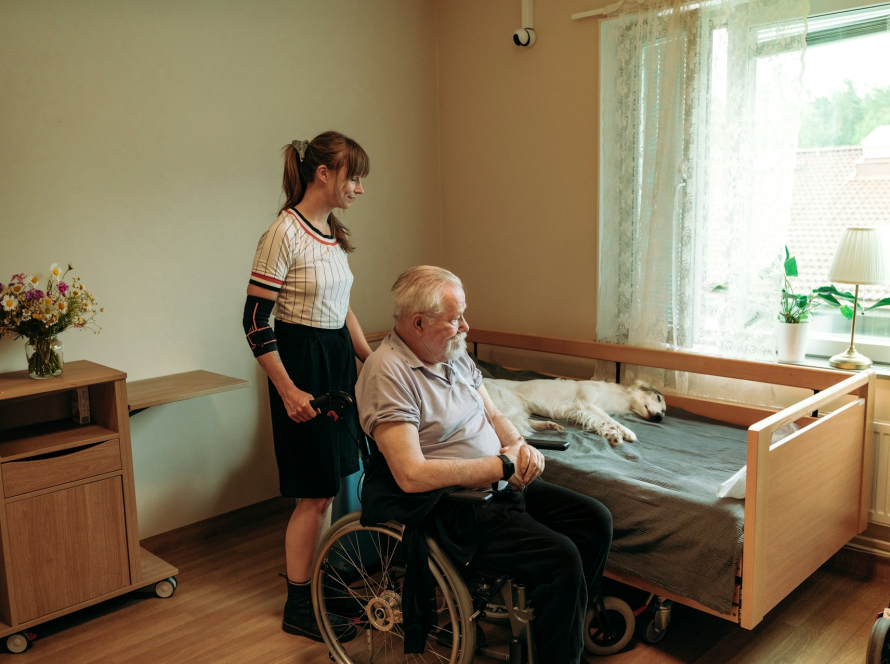
Spring arrives slowly in Memphis. There is still a lingering chill in the air by late March, but families are already starting to visit their loved ones more often. When you walk into a nursing home, there is always a mix of emotions. You hope to find your loved one comfortable and well cared for. But every now and then, something small catches your attention. A messy room. A distant look. An odd answer.
Those moments raise questions. Noticing something off during a visit does not mean there is a serious problem, but it is worth paying attention. Addressing nursing home concerns early can go a long way toward keeping your loved one safe and giving your family peace of mind.
Signs That May Point to Neglect During a Visit
It helps to know what to look for, especially during seasons where routines may shift or staff turnover is high. Do not wait for something obvious. Neglect does not always show up as loud or extreme. Sometimes, it looks more like something being forgotten or pushed aside.
Here are some signs that may suggest neglect:
- Physical appearance that seems overlooked, like dirty fingernails, tangled hair, or clothing that has not been changed
- Emotional shifts such as unusual quietness, anxiety, or hesitation to speak when staff are nearby
- A room that smells or feels unclean, has dirty linens, or seems colder or more cluttered than usual
Ask yourself if what you are seeing lines up with how the care should look day to day. Trust what feels unusual, even if you are not sure what is wrong just yet.
What to Say and Do in the Moment
Emotions may show up quickly when you are worried about someone you care about. But staying calm helps you think clearly and avoid making the situation harder on the resident.
Start by asking simple questions like, “How has your week been?” or “Has anything changed with your care?” Keep your tone soft and open. You are not looking for yes-or-no answers, just space for them to share.
Make it a point to:
- Keep track of what you are seeing and hearing by writing it down
- Note the time, staff on shift, and anything that feels out of place
- Avoid accusations, and focus on asking questions or gathering the facts while you are still there
You do not have to solve everything right away. But keeping a clear head helps when you want to follow up later.
Who to Talk to Before Leaving
If something does not sit right, it is better to speak up before you walk out the door. You do not have to confront anyone, but letting a nurse or care manager know what you noticed creates a record and opens a line for more communication.
Ask to speak privately with someone who oversees care. When you talk, try to:
- Stick to what you directly observed instead of guessing at causes
- Use neutral language like, “I noticed that…” or “I saw…” rather than jumping into blame
- Request a copy of your loved one’s care plan if possible, or ask when it was last updated
Being specific about what you saw helps steer the conversation in a productive direction. It also shows that you are present and paying attention, which can prompt quicker follow-up.
What to Do Once You’re Back Home
After the visit, it is time to get organized. While the details are still fresh, go over the notes you took. Small details are easier to forget later, especially if you do not visit again for a few days or longer.
Consider these practical steps:
- Keep a notebook or digital file with dates, notes, and names
- Save any photos you took during the visit, only if they were taken calmly and respectfully
- Call the facility to follow up on the conversation you had when leaving, and put your concerns in writing
Staying involved over time helps highlight patterns. It also gives you more grounding if questions keep building down the line.
When It’s Time to Involve Help Outside the Facility
If the care has not changed or you feel like you are being avoided, you do not have to carry it all alone. Some nursing home concerns do not get better just by pointing them out once. And it might start to feel like nobody is listening.
Before taking things further, gather your facts. This includes:
- Printed or saved copies of any written communication about your concerns
- A detailed timeline that lines up with observations and follow-up steps
- Consistent patterns that show no improvement or repeated problems
Reaching out to someone outside the facility can be the next right step, especially when there is a risk that problems will continue if nothing changes.
Don’t Ignore That Gut Feeling
A quiet feeling that something is wrong is still worth listening to. You might not have proof in the moment, but that does not mean you are wrong. That instinct often comes from knowing the resident and sensing what is different.
You do not need to be loud or dramatic to be clear. Paying attention, asking questions, and coming back with follow-up matters.
Sometimes simple steps add up:
- Visiting more often to see if something changes
- Keeping a regular written log so concerns do not go unnoticed
- Staying visible at the facility instead of pulling back
These actions are not about causing trouble. They are about standing gently but firmly beside someone who may not be able to speak up for themselves. When we are steady and consistent, we create a reminder that care should not slide just because no one is watching.
Being there during a visit makes a bigger difference than most people realize. A short check-in can uncover something a staff report will not mention. When we act on what we see and trust what we feel, we give our loved ones the protection they deserve. Sometimes that means taking things further, but many times it just starts with not looking the other way.
Noticing unexplained changes or feeling uneasy about a loved one’s care can be difficult to talk about, but being proactive often makes all the difference. At Jehl Law Group, we know how much families in Memphis want to ensure their loved ones are safe and supported. If you have questions about nursing home concerns or would like to discuss the signs you have noticed, reach out to our team.