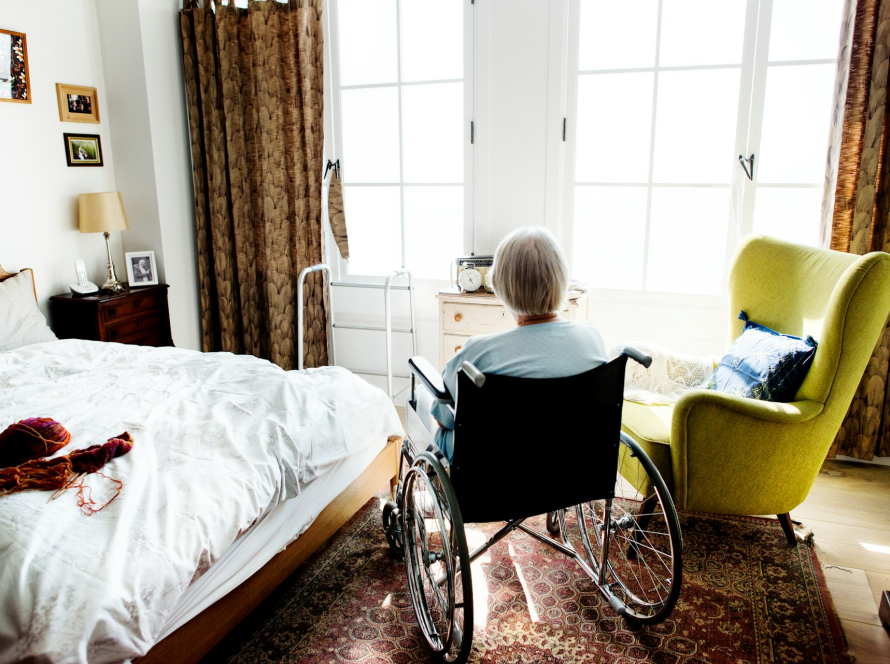
When you visit a loved one in a nursing home and begin to notice things that feel off, it’s easy to brush them aside at first. A missed meal, unexplained bruising, or a change in your loved one’s mood can all be signs that something bigger is going on. If you’re starting to suspect mistreatment, knowing how to speak up matters. Trying to report nursing home neglect can feel overwhelming, but there are steps you can take to move forward with purpose. You’re not being too cautious, and you’re not alone in trying to protect someone you care about. At Jehl Law Group, our nursing home abuse lawyers have experience dealing with residential facilities and overcoming obstacles to get to the truth about a loved one’s level of care.
Understand the Signs of Elder Abuse
Not all cases of elder abuse look the same, and different forms of mistreatment can show up in subtle ways. Some signs are easy to miss. Others can be mistaken for regular aging or a bad day. Recognizing patterns is a good way to put the pieces together.
Here are a few categories that often show up in nursing home abuse cases:
- Physical abuse might look like bruises, cuts, or sprains, especially when explanations don’t seem to match the injury
- Emotional abuse can cause anxiety, crying, fear of certain staff, or changes in how your loved one talks or behaves
- Neglect may show as poor hygiene, missed medication, soiled clothing, or dehydration
- Financial abuse includes sudden bank account activity, missing belongings, or confusion about new charges
Sometimes the signs come from changes in mood, withdrawal, or depression. Other times, you might notice small differences in how your loved one’s living area looks or smells. Even a shift in their sleep or appetite might be pointing to a bigger issue.
What to Do When You First Suspect Something
When red flags start to appear, take a breath. You don’t need to confront anyone right away. The first thing to do is observe and take notes. Focus on building a clear picture of what’s happening.
To start documenting your concerns:
- Write down dates, times, and details of anything that feels suspicious
- Keep a folder or notebook to record patterns or ongoing changes
- Snap a photo if you see bruising or have visual proof (only if it’s appropriate and respectful)
- Pay attention to your loved one’s behavior over time
It’s valuable to speak privately with your loved one, if they are able and open. Approach it gently, without pressure. Ask how they are feeling and if their needs are being met. Keep the conversation safe and supportive so they can share honestly.
Reporting Concerns Inside the Nursing Home
Once you’ve observed enough to feel like a pattern might be forming, the next step is to bring it to someone’s attention. Start by going to staff or an administrator inside the facility. Choose a time when they can give the conversation their full attention.
When you’re ready to speak up, keep these steps in mind:
- Stay calm and clear. Stick to the facts and describe exactly what you’ve noticed
- Bring your notes or documents so you’re not relying on memory
- Ask what the current care plan looks like and if there have been any updates recently
- Don’t be afraid to ask for follow-up meetings so you’re not left wondering what’s being done
Avoid being combative or blaming during these first conversations. It’s better to keep things constructive and focused on the goal: better care for your loved one. Take notes during the conversation too, including who you spoke with and what they shared.
When and How to Report Nursing Home Neglect Officially
If nothing improves or your concerns are dismissed, there are other ways to report nursing home neglect formally. Every state has its own channels for doing this, and it often starts with Adult Protective Services or a long-term care ombudsman.
Here’s what helps build a strong report:
- Include a timeline of events or ongoing issues
- List the names of any staff you’ve spoken with and how the conversations went
- Make note of any physical evidence like photos or logs
- Be clear about what concerns you most and why you believe further help is needed
Once a report is made, you may be contacted for follow-up. Answer questions clearly and provide any added context that might help. If others in your family have noticed the same concerns, they may be asked to share what they’ve seen as well.
The Role of Outside Support When Things Don’t Improve
When it feels like you’ve done everything right and your concerns still aren’t taken seriously, that can be deeply frustrating. It’s hard to keep pushing forward, especially when you’re emotionally drained. That’s when looking for outside support becomes an important step.
Outside guidance matters in cases where:
- The nursing home won’t acknowledge or address your concerns
- You feel out of your depth and aren’t sure how to move forward safely
- Your loved one’s condition seems to be getting worse
Asking questions or getting help doesn’t mean you’ve failed. It means you care enough to keep fighting for safe care, even when the road gets harder. No one should feel like they have to go it alone. Jehl Law Group attorneys have more than 65 years of experience handling claims including nursing home or elder neglect and abuse, medical malpractice, products liability, premises liability, corporate fraud, breach of contract, and various aspects of elder law.
Staying Involved to Protect Your Loved One
Noticing something wrong is hard. Deciding to act on it takes even more strength. Whether it’s your mom, dad, partner, or friend, they’re counting on someone to watch over them and speak up when something isn’t right.
By learning how to report nursing home neglect and staying involved, you’re doing more than just raising a concern. You’re helping shape their care and making their everyday life a little safer. Regular check-ins, honest talks, and thoughtful questions can go a long way in helping your loved one feel supported during a stage of life that’s often fragile. In Memphis, as winter turns to early spring, routines inside nursing homes don’t always run perfectly. But staying present and keeping your focus on what matters can make all the difference.
Noticing early warning signs can be stressful, but you don’t have to handle it alone. Jehl Law Group is dedicated to supporting families in Memphis who are concerned about loved ones in care facilities. Taking action early can help stop patterns from getting worse, and asking questions is always okay. We understand how upsetting it can be when someone you care about is being mistreated, especially in a setting that’s meant to offer care. To learn more about how we help families report nursing home neglect, give us a call today.