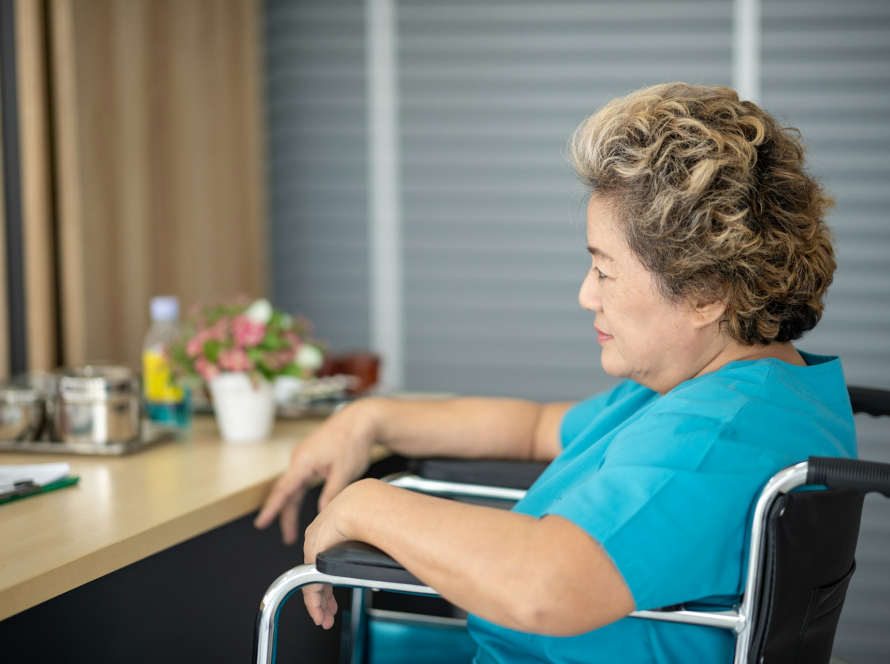
When cold weather rolls into Memphis, nursing homes often deal with extra safety concerns. Slippery sidewalks, wet floors, and thick winter clothes can all make it harder for older adults to stay steady on their feet. This is the kind of time when nursing home falls prevention becomes even more important to think about.
Even small changes during these months can help avoid serious harm. Jehl Law Group is based in Memphis, and its attorneys are licensed in Tennessee, Arkansas, Illinois, Kentucky, Mississippi, Missouri, and Pennsylvania. Keeping residents safe isn’t just about snow or melted ice by the doors. It’s about habits, clothing choices, and the way people walk through indoor spaces during the cold part of the year. A little more attention can make a big difference.
How Cold Weather Affects Balance and Mobility
Winter brings gear and conditions that most of us aren’t used to handling every day. For older adults, this extra weight and bulk can increase the risk of a fall. Gloves, heavy boots, and layered coats may feel cozy at first but can limit how easily someone moves. These items make it harder to bend knees, feel the floor, or stay balanced on slippery surfaces.
As muscles stiffen in the cold, walking becomes slower, and people might lose their footing more easily. Outside, sidewalks can freeze up. Inside, melted snow can turn into slick spots on tile or hardwood. Fewer daylight hours mean worse visibility for longer parts of the day. Not every resident notices when a hallway gets darker earlier, which can make things worse.
Another thing many don’t realize is that older adults might not feel cold the same way as others. When they can’t tell if their bodies are getting chilly, it becomes easier to stay stiff too long or not react fast enough when something shifts unexpectedly.
Common Indoor Risk Zones to Watch
Not all fall risks are outside. Most problems actually happen indoors, where certain rooms and routines create repeat issues. Every nursing home has spaces where residents move often. These are the spots worth checking more than once a day.
Here are a few common indoor areas where falls often happen:
• Bathrooms, especially ones with slick floors or too few grab bars
• Dining rooms with crowded tables or dropped food that’s not cleaned quickly
• Long hallways with poor lighting or furniture moved out of place
• Entryways where water from coats and shoes sits on walking paths
• Activity areas that rotate layouts for events or are packed with chairs and cords
When someone trips in the same place more than once, it might mean that layout or space needs closer attention. If families or staff spot a pattern, it’s easier to suggest changes that prevent the next fall from happening.
Footwear and Clothing Tips That Help
The wrong shoes can make walking unsafe, even under the best conditions. During winter, choosing the best ones takes a little more thought. If something doesn’t fit well or grips poorly, it might cause more harm than good.
When picking daily shoes for colder months, it helps to watch out for these signs:
• Soles that are too smooth to grip floors or freeze up in cold
• Laces that don’t hold or make shoes too loose
• Wear and tear from years of use that can throw off balance
Cold-weather shoes should be sturdy but not bulky. Afternoons often mean moving between indoor and outdoor surfaces, and each type needs some traction. They should be comfortable too, not just warm.
Clothing plays a part in falls too. Long pants that drag, jackets that bunch near feet, or scarves that hang too low could cause someone to step on them or trip. It’s easy to overlook these small things, especially during dressing routines that happen quickly or in low lighting.
Communication Between Families and Staff
Good falls prevention often starts with better conversations. Families do not have to wait until something goes wrong to bring up what they’re seeing or wondering about. Just asking about past incidents or changes in safety procedures can lead to valuable updates.
There are a few things families can do during winter months:
• Join staff for walkthroughs of frequent routes to see what conditions look like day to day
• Ask about fall reports or if any areas are under review for safety improvements
• Make a note any time a loved one mentions a near-fall or mix-up with clothes or furniture
Some of these conversations are simple but effective. When a near-fall gets reported, even if nothing serious happened, it helps staff review what might need to change. That way, the next one might be prevented altogether.
Staying Ahead of Winter Hazards Together
Falls prevention in nursing homes during winter isn’t just about reacting when something happens. It’s more about staying one step ahead. When people keep an eye on how movement changes, how clothing shifts daily routines, and how environments adjust to colder days, safety becomes a group effort.
Memphis winters don’t always bring deep snow or ice, but they do bring colder days where habits matter more. When staff and families work together, small changes carry big weight. Better shoes, sharper lighting, tidier pathways, and regular check-ins can shape a safer season for residents. Simple actions done often can keep people steadier through the coldest parts of the year.
Staying safe during winter months takes teamwork, and spotting hazards early can help prevent accidents before they happen. At Jehl Law Group, we encourage families to stay alert to daily routines that may affect mobility or add risk indoors. Our attorneys handle nursing home and elder neglect and abuse cases, along with related matters such as medical malpractice, products liability, premises liability, corporate fraud, breach of contract, and different aspects of elder law. Understanding how layers, flooring conditions, and layout changes impact movement can go a long way. Learn more about how we approach nursing home falls prevention and take the next step by contacting us.