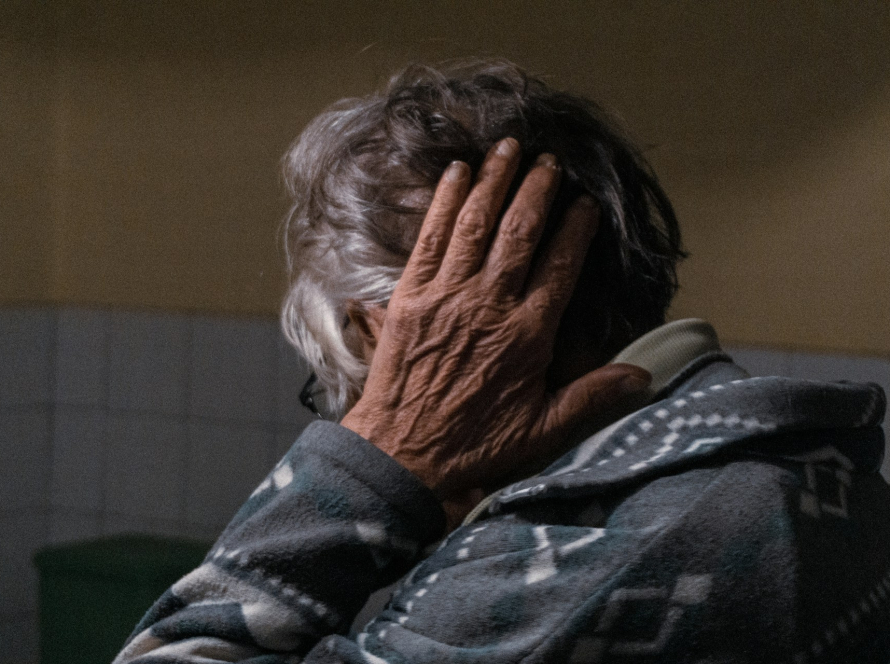
Winter can be a challenging time for everyone, especially nursing home residents. As the season brings chilly temperatures and icy conditions, it also introduces new risks that can jeopardize the safety and well-being of our loved ones. With the holiday season just around the corner, it’s important to turn our focus toward creating a safe and warm environment for the elderly. By understanding potential hazards and implementing the right precautions, we can ensure a comforting and joyous winter experience for residents.
In nursing homes, where many residents may have limited mobility or specific health needs, addressing winter safety is even more vital. Falling on icy walkways or getting too cold can lead to serious health issues. Additionally, prolonged isolation during these colder months can impact mental well-being. Recognizing these concerns is the first step to taking proactive measures that safeguard both the physical and emotional health of residents.
Understanding Winter Hazards in Nursing Homes
Winter hazards in nursing homes come in various forms, each presenting its challenges. One of the most common concerns is icy walkways. Residents and staff must often navigate outside paths to get to different parts of the facility or to participate in outdoor activities. Ice and snow can create dangerously slippery surfaces, increasing the risk of falls.
Cold interiors can also pose a problem, particularly in older buildings where heating systems may be less effective. Consistent warmth is vital for elderly residents, who may be more prone to hypothermia. Even brief exposures to cold can exacerbate existing health issues or lead to new ones.
– Key Hazards to Watch Out For:
– Icy walkways and parking lots
– Drafty windows and poorly heated rooms
– Uninsulated pipes that could burst
Inadequate heating or malfunctioning HVAC systems add another layer of difficulty during winter. Ensuring that all heating equipment is operational and well-maintained is crucial for keeping indoor environments at safe temperatures. Regular checks and maintenance can prevent unexpected breakdowns during the harshest days.
Falls are a major risk, greatly impacted by icy conditions and cooler indoor temperatures that can affect muscle function. Beyond physical health, these falls can have psychological effects, leading to a fear of movement and reduced mobility. Addressing these hazards promptly means fostering not only physical safety but also peace of mind.
Implementing Safety Measures for Falls Prevention
Ensuring residents’ safety during winter involves addressing potential hazards in practical ways. Begin by examining and using handrails, grab bars, and non-slip mats in areas like bathrooms and hallways. These tools can dramatically reduce the risk of falls, offering residents the stability they need to move confidently around the facility.
Pathways need to be clear of ice and snow and well-lit for visibility. Regular monitoring and maintenance can prevent accidents. By keeping a vigilant eye on weather conditions and quickly addressing any ice formation, nursing homes can keep outdoor areas safe and accessible.
Reviewing and maintaining assistive devices like walkers and wheelchairs is another important step. These devices should be in excellent condition, with functioning brakes and grips to provide adequate support during the resident’s movement. Periodic checks and repairs can ensure these tools remain reliable in preventing slips and falls.
Ensuring Proper Nutrition and Hydration
Winter nutrition plays a key role in maintaining residents’ health and immunity. The cold season can bring about reduced appetites, so providing meals rich in vitamins and minerals is crucial. Focus on warm, nutrient-dense foods that help support the immune system and maintain overall health.
Dehydration is often overlooked when temperatures drop, but staying hydrated is just as important in winter. Encourage residents to drink plenty of fluids, even if they don’t feel thirsty. Water, herbal teas, and warm broths can be great choices, providing hydration and comfort.
To make hydration a bit easier, here are some simple tips:
– Encourage regular intake of fluids throughout the day, using practical reminders if needed.
– Offer a variety of drinks to keep options appealing and enjoyable.
– Ensure each resident has easy access to water or other beverages at all times.
Maintaining Emotional Well-Being During Winter
Winter can be a lonely time, so keeping spirits high is important. Encouraging family visits and organizing social activities can combat feelings of isolation. It’s not just about maintaining physical health; mental well-being is equally significant during these months.
Indoor hobbies and group activities can offer social interaction and a sense of community. Whether it’s art classes, book clubs, or low-impact fitness sessions, these activities can provide joy and engagement, helping residents feel connected and fulfilled.
Creating a cozy, inviting atmosphere with plenty of chances for interaction can make a huge difference. Consider setting up regular events that residents look forward to, like movie nights or themed gatherings, ensuring they have opportunities to bond and share experiences.
Staying Safe and Happy This Winter
Winter safety for nursing home residents isn’t just about preventing falls or keeping them warm—it’s about holistic care that addresses all aspects of their well-being. From fall prevention and nutrition to emotional support, each step plays an integral role in ensuring a safe, healthy, and happy winter.
Families and caregivers should remain attentive and proactive, continually assessing risks and implementing thoughtful measures tailored to each resident’s needs. By fostering both physical safety and emotional warmth, we create a nurturing environment where our elderly loved ones can thrive during the cold months.
If you’re focused on creating a safer environment for residents this winter, it’s important to understand how proper falls prevention in nursing homes can reduce risks and improve overall well-being. Jehl Law Group is here to support your efforts with resources and insight that help strengthen your care strategy.