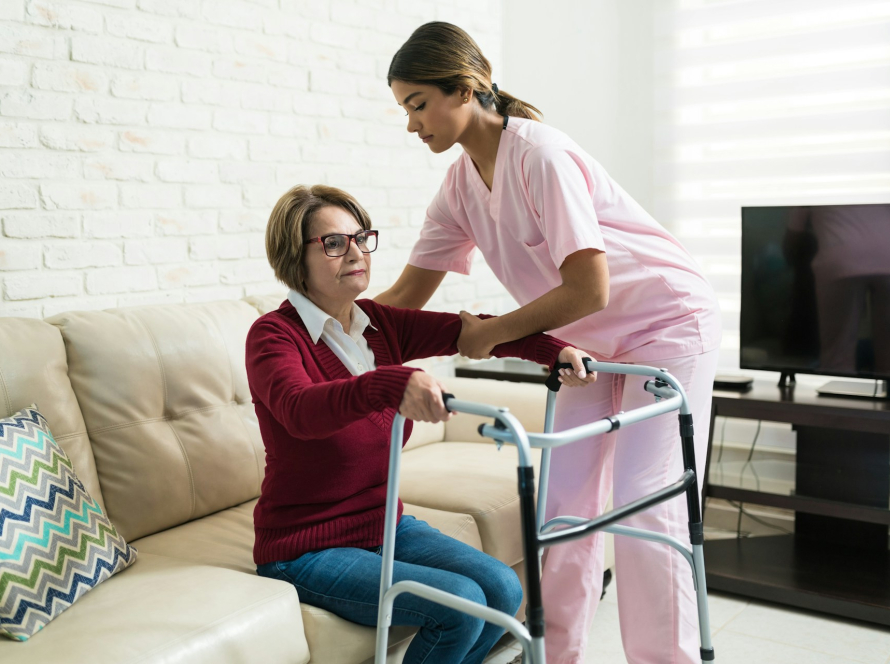
Walking into a nursing home, we often expect to see a place where residents are safe and well-cared for, thanks to modern facilities and equipment. However, outdated equipment can sometimes pose a serious problem, not only jeopardizing the well-being of residents but also impacting the overall efficiency of care provided. It’s crucial to recognize that old or faulty equipment can bring about considerable nursing home concerns, requiring immediate attention to ensure resident safety and high-quality care.
Outdated equipment in a nursing home can lead to numerous issues, from increased risk of accidents to diminished quality of life for residents. This is why timely action is essential. Bringing the issue to light helps in safeguarding residents and assuring family members that their loved ones are in a safe environment. Let’s explore how to identify outdated equipment and address the potential risks associated with it.
Identifying Outdated Equipment
Noticing when equipment is outdated isn’t always straightforward, but certain signals can help you determine when it’s time for updates. Here are some indicators that nursing home equipment may need a closer look:
– Frequent Malfunctions: Equipment that continuously breaks down or requires frequent repairs is a clear sign that it’s time for an upgrade.
– Visible Wear and Tear: Cracks, rust, or excessive wear can compromise the safety and function of essential equipment.
– Obsolete Models: Tools and devices that haven’t seen updates in years may lack the latest safety features or technological advancements.
To properly evaluate the condition of the equipment, it’s essential to conduct regular checks and maintenance reviews. Consider simple inspections to check for any visible damage or operational issues. Regularly scheduled maintenance can help to keep equipment in top shape, ensuring it’s safe for resident use.
Some vital pieces of equipment, like mobility aids and medical devices, require particular attention. Wheelchairs, lifts, hospital beds, and emergency response systems should not only be up to date but should also undergo regular maintenance checks. Prioritizing these items helps ensure that nursing home conditions remain supportive and safe for all residents.
In sum, keeping an eye out for these signs will help identify when nursing home equipment has become outdated and needs replacement or repair. Maintaining up-to-date tools not only helps in preventing accidents but also boosts the overall quality of care provided to every resident.
Potential Risks of Using Outdated Equipment
Outdated equipment in nursing homes can lead to serious risks, impacting the safety and health of residents. When equipment breaks down frequently or isn’t functioning properly, the chance of accidents goes up. For example, a worn-out wheelchair might have unstable wheels, increasing the risk of falls. These issues can result in injuries that are often preventable with updated and functioning equipment.
The legal implications for nursing homes with outdated equipment can also be significant. If an incident occurs due to faulty or old equipment, homes may face legal challenges. It’s the responsibility of the nursing home to maintain an environment that is safe and secure. Failing to do so might lead to serious consequences, both legal and reputational.
Imagine a scenario where the emergency response system fails during a critical moment. Such situations can lead to delays in medical attention and adverse health outcomes. These examples highlight why regular updates and maintenance of equipment are necessary to ensure everyone’s safety. Addressing these risks should be a priority, involving both staff and family members in ongoing vigilance.
Steps to Take When You Identify Outdated Equipment
If you suspect that equipment in a nursing home is outdated, taking the right steps is key. Here is a simple guide to follow:
1. Report Concerns to Management: Approach the nursing home management with your concerns. Provide clear examples of the issues you’ve noticed.
2. Advocacy by Family Members and Residents: Families and residents should work together to advocate for better equipment. Often, collective voices are more powerful and can prompt quicker action.
3. Explore Legal Options: If concerns remain unaddressed, explore any legal avenues available. This might involve consulting with professionals who specialize in elder law to understand possible actions.
By taking these steps, you can help create a safer environment for residents while ensuring that equipment remains reliable and efficient.
Ensuring Ongoing Equipment Maintenance
To prevent issues with outdated equipment, it’s important to focus on ongoing maintenance. Here are some tips to ensure this happens:
– Regular Inspections: Schedule routine inspections to identify equipment in need of repairs or replacement.
– Consistent Maintenance Schedules: Stick to maintenance schedules that ensure equipment stays in good working condition.
– Management Role: The administration needs to prioritize maintaining equipment standards and compliance with safety guidelines.
Engaging with management and staff ensures that nursing homes maintain a standard of care that prioritizes the well-being of all residents.
Keeping equipment in top condition involves a team effort, including staff, residents, and family members. When everyone works together, the environment becomes safer and more supportive. In turn, updates are made swiftly, ensuring residents receive the best care possible.
If you’re facing challenges related to outdated equipment in a care facility, addressing nursing home concerns is an important step to protect your loved one’s well-being. Jehl Law Group is here to help you navigate the process and take the right actions to ensure their safety and proper care.