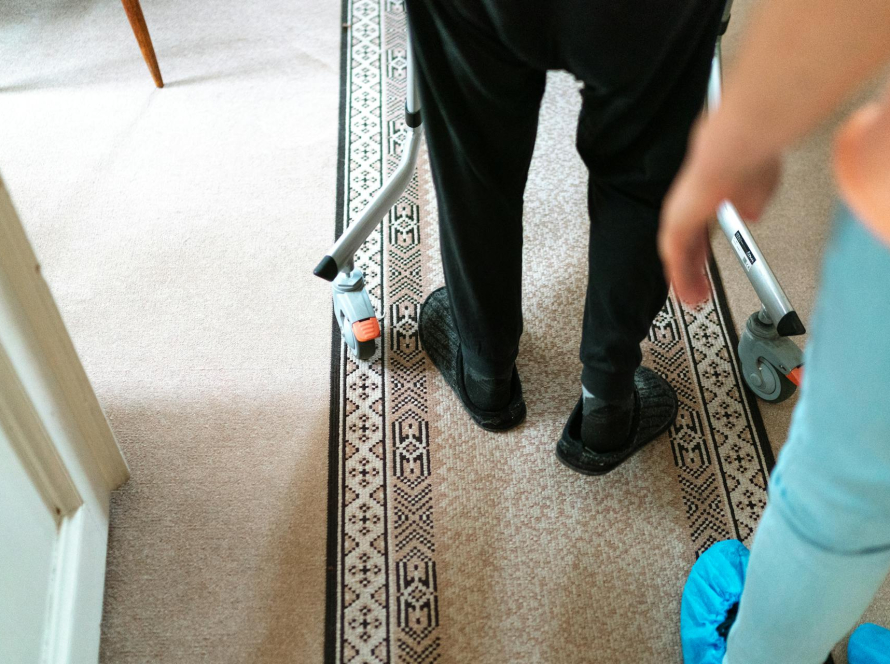
Ensuring the safety and comfort of residents in nursing homes is incredibly important, with bathroom safety being a top priority. Bathrooms are essential facilities, yet they can become hazardous environments for the elderly if not properly equipped and maintained. Preventing falls in these areas is crucial for promoting both safety and peace of mind among residents and their families.
Focusing on what makes a nursing home bathroom fall-preventable involves understanding potential risks and implementing effective safety measures. This includes not just changes in physical design but also adjustments in protocols and preventive measures that staff and residents can follow easily.
Importance of Bathroom Safety in Nursing Homes
Bathrooms are often identified as high-risk areas for falls in nursing homes. These spaces combine wet, slippery surfaces with limited mobility and balance issues that many elderly residents face. Enhanced safety measures in bathrooms significantly reduce fall risks and minimize injuries.
Several factors contribute to these falls:
– Slippery Floors: Wet and soapy floors increase the risk of slipping. Regular cleaning is important, but it is crucial to use non-slip materials and rugs to prevent accidents.
– Inadequate Lighting: Poor lighting makes it difficult for residents to see where they are going, especially at night. Bright, evenly distributed lights help reduce the chances of missteps.
– Lack of Support: Absence of grab bars and handrails means fewer support options for those with limited mobility. Installing these in strategic places ensures residents have something sturdy to hold onto.
– Cluttered Spaces: Unnecessary items or misplaced furniture can obstruct pathways, making it difficult to navigate the space safely.
Addressing these factors by incorporating thoughtful design elements and regular safety checks helps create a more secure environment. Training staff on safety procedures and encouraging residents to maintain clear pathways contribute to reducing the risk of falls substantially.
Key Features of a Safe Nursing Home Bathroom
When it comes to creating a safe bathroom environment, several key features play a significant role in fall prevention. By focusing on the following elements, nursing homes can drastically reduce the risk of accidents and injuries.
– Non-slip Flooring: Using materials that provide traction even when wet is a smart choice. This simple change helps prevent slips and falls and offers peace of mind for both residents and staff.
– Grab Bars: Installing grab bars in key areas such as near the toilet and in the shower provides necessary support. They allow residents to steady themselves and move around more confidently.
– Proper Lighting: Well-lit bathrooms make a difference in preventing falls. Lighting should illuminate the area well, with fixtures placed strategically to eliminate shadows and ensure easy navigation.
– Accessible Layout: A bathroom with enough space to move around is important. Ensuring that fixtures are placed at accessible heights and there is room for movement reduces the risk of bumps and falls.
These features contribute greatly to bathroom safety when thoughtfully implemented. They provide both physical support and an environment that minimizes risk.
Training and Protocols for Staff and Residents
Beyond physical modifications, training staff and residents on safety protocols is vital. Staff play a critical role in maintaining safety standards and being vigilant about risk factors.
– Staff Training: Staff should receive regular training on how to assist residents safely, recognize risks, and ensure the bathroom is checked and maintained frequently. This includes understanding how to support residents who need more help moving from place to place.
– Resident Awareness: Educating residents about the importance of using available safety features like grab bars can enhance their independence while keeping them safe.
– Routine Checks: Establishing a protocol for frequent bathroom checks ensures that safety features are in working order and any hazards like wet floors or obstructions are addressed promptly.
These steps promote safe habits among both staff and residents and enhance overall awareness regarding fall prevention.
Technology and Innovations in Fall Prevention
Advancements in technology bring new possibilities for enhancing safety in nursing homes. Implementing innovative solutions can further cut down on fall incidents, equipping bathrooms with tools that proactively address potential dangers.
– Sensor-based Systems: These detect movement and alert staff to any unusual activity, providing quick responses to potential falls.
– Automated Lighting: Motion-sensor lights can be particularly helpful at night, ensuring residents always have adequate visibility without needing to locate switches.
– Emergency Alert Devices: Easily accessible devices allow residents to call for help if they feel unsteady or have experienced a fall. Quick assistance minimizes the impact of any injuries.
These technologies demonstrate the potential to revolutionize bathroom safety in nursing homes. By integrating such solutions, facilities can advance in providing secure and supportive environments for residents.
Creating a Safety Culture
A culture that prioritizes safety is essential in minimizing falls in nursing homes. Encouraging everyone in the facility to be vigilant and proactive about safety can make a significant impact.
Involving residents in safety practices encourages cooperation and awareness. When residents understand the importance of using safety features and keeping areas clear, they can contribute to a safer environment.
Enhancing Nursing Home Bathroom Safety for Fall Prevention
Fall prevention in nursing home bathrooms relies on a multi-faceted approach. By combining smart design features with thorough training and modern technology, significant strides can be made in reducing falls. Ensuring safety also means fostering a culture that prioritizes the welfare of residents through consistent vigilance and improvements.
Creating safe bathrooms involves everyone, from the staff ensuring protocols are followed to residents actively using safety features. The emphasis on keeping these areas secure showcases a commitment to the well-being of all individuals in a nursing home environment, promoting a space where everyone can feel at ease.
If you’re looking for practical ways to improve safety for elderly residents, focusing on falls prevention in nursing homes can make a real difference. Jehl Law Group offers guidance tailored to help reduce risks and create safer spaces. Reach out to learn how we can support your efforts in protecting those in your care.