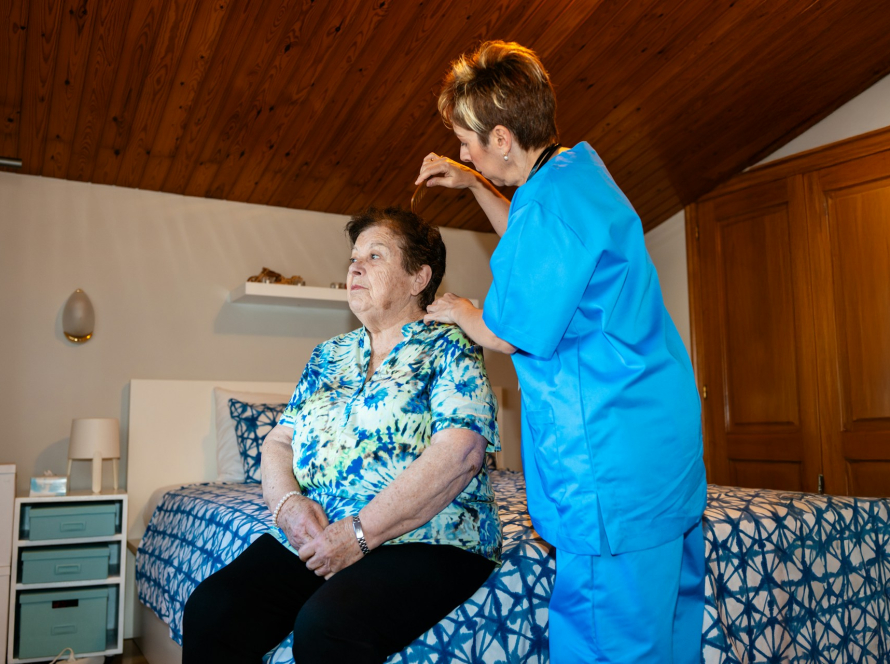
Emotional abuse in nursing homes is a critical issue that profoundly affects the lives of elderly residents. Unlike physical abuse, emotional abuse can be more challenging to detect as it leaves no visible marks. Yet, its impact can be just as devastating, leading to feelings of fear, depression, and anxiety among victims. Addressing emotional abuse is essential not just for the emotional well-being of the elderly but also for upholding their dignity and rights. With growing awareness, it is crucial to understand the signs and take action to prevent such abuse from continuing.
By acknowledging the role of nursing home abuse lawyers, residents and their families stand a better chance of seeking justice. These lawyers specialize in identifying, proving, and addressing cases of emotional abuse. They offer a path toward legal relief, providing families with the tools and support needed to protect their loved ones. Knowing the legal recourse available is an important step in ensuring a safe and respectful environment for the elderly.
Understanding Emotional Abuse in Nursing Homes
Emotional abuse involves actions or words that cause emotional distress and harm to a person, and it can happen in various forms in nursing homes. This type of abuse includes humiliation, intimidation, isolation, or verbal assaults, making residents feel neglected, worthless, or frightened. It may not leave physical scars, but the emotional pain can significantly decrease a person’s quality of life.
Recognizing emotional abuse involves being aware of its subtle signs. These may include sudden changes in behavior, withdrawal from social activities, unexplained agitation, or heightened anxiety when interacting with certain staff members. Family members and caregivers need to pay close attention to these signs, as early detection is vital for preventing further harm. Open communication with residents, frequent visits, and asking about their daily experiences can help in identifying potential issues.
Legal Rights and Protections for Nursing Home Residents
Residents in nursing homes are protected by various laws that ensure their rights and dignity are upheld. These laws are designed to prevent mistreatment, including emotional abuse. They provide a framework for safeguarding residents’ mental and emotional well-being. Federal laws such as the Nursing Home Reform Act mandate that residents receive care in an environment that promotes their physical, mental, and psychosocial well-being.
Several protections are in place to address emotional abuse. Facilities are required to have grievance processes where residents and families can report concerns without fear of retaliation. In some states, compliance officers regularly check up on care facilities to ensure adherence to regulations. Families should be aware of these legal protections and use them to ensure their loved ones are treated with respect and care.
As legal frameworks evolve, it’s important to stay informed about changes or amendments that could provide additional protections. Understanding these rights empowers families and residents to advocate for better care and take action when these rights are violated.
How Nursing Home Abuse Lawyers Can Help
When emotional abuse is suspected, nursing home abuse lawyers can be pivotal in navigating the complex legal terrain involved in such cases. They possess the expertise needed to identify and gather evidence that supports claims of abuse. This might include securing witness statements, reviewing medical records, and analyzing facility policies that could contribute to an abusive environment.
Legal procedures for tackling emotional abuse can be intricate. Lawyers guide families through each step, ensuring that they understand their rights and the potential outcomes. Whether it involves filing a lawsuit or negotiating settlements, having legal support can make a significant difference in the pursuit of justice. Moreover, they can highlight inadequacies within the system, advocating for policy changes that prevent further abuse.
Family members can feel overwhelmed when dealing with these issues, but lawyers offer more than just legal support. They also provide emotional support and resources that are crucial during such challenging times. Having a knowledgeable ally can empower families to make informed decisions to protect their loved ones.
Steps to Take if You Suspect Emotional Abuse
If you suspect emotional abuse, taking action promptly is key. Here’s a straightforward guide to follow:
– Observe and Document: Keep a detailed record of any changes in the resident’s behavior, such as moods or social withdrawal. Collect evidence like notes, witness statements, or anything that might be relevant.
– Communicate and Inquire: Talk to your loved one about their experiences in the nursing home. Ask specific questions about any troubling interactions with staff. Ensure they feel safe and understood.
– Report Concerns: Contact the appropriate authorities within the facility to report your concerns. If necessary, escalate the issue to state or local agencies that handle nursing home complaints.
– Seek Legal Counsel: Engage a lawyer who specializes in nursing home abuse. They can provide you with a clear understanding of the legal options available and help take the necessary steps to protect the resident’s rights.
Seeking Justice and Compensation
Taking legal action against those responsible for emotional abuse can lead to significant outcomes. Compensation might be obtained to cover various damages, including emotional distress or the cost of relocating to a safer facility. But seeking justice goes beyond compensation. It can drive important changes in policies or practices within the facility, creating a safer environment for all residents.
Engaging in legal proceedings can lead to awareness that encourages accountability and deterrence of future abuses. When facilities know that families are willing to stand up against mistreatment, it can prompt them to ensure better standards of care. Families who pursue legal action contribute to a broader fight against nursing home abuse, benefiting those who might not have the ability to speak up for themselves.
Creating a Safe Environment for Elderly Residents
Families and caregivers play a significant role in fostering a nurturing and safe atmosphere for elderly residents. Simple strategies, such as regular visits and open conversations about their well-being, are crucial. Encouraging an environment where the elderly feel heard and respected can prevent abuse from taking root.
Being proactive and observant is key. Looking out for subtle signs of emotional changes can signal when something isn’t right. Establishing strong communication with the facility’s staff can also promote better care practices. Encouraging staff training and education on identifying and preventing emotional abuse helps build a community that prioritizes the mental health of every resident.
Finally, staying informed about legal rights and protections empowers families. Knowledge provides the confidence to take action when necessary, ensuring that their loved ones receive the compassionate care they deserve. When families and caregivers work together, they can be a formidable force in safeguarding the dignity and rights of elderly residents in nursing homes.
If you’re concerned about ensuring justice and safeguarding the rights of your loved ones in a nursing home, turn to the experienced nursing home abuse lawyers at Jehl Law Group. Their team is ready to help you navigate emotional abuse cases and push for the respectful care every resident deserves.