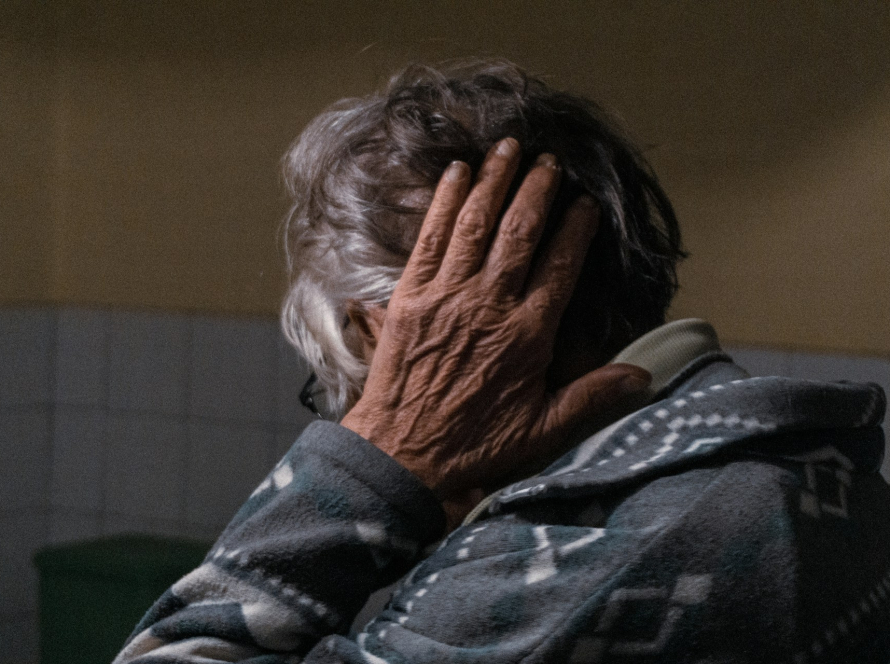
Concerns about nursing home care are becoming more frequent as families prioritize the safety and well-being of their elderly loved ones. This need for awareness arises from past instances where care did not meet expected standards. Families wish to ensure their relatives are living in environments that are nurturing and respectful. As our loved ones age, guaranteeing their comfort and dignity is paramount, and part of this involves understanding how to handle complaints about nursing homes effectively.
Addressing complaints isn’t just about rectifying issues; it also helps in maintaining a high standard of care across the facility. By addressing these concerns, families can have a voice in shaping better environments for their loved ones. The process may seem daunting at first, with various steps and potential hurdles, but understanding the typical complaints and how to document them can make a world of difference. With the right approach, you can ensure your relative receives the care they deserve.
Recognizing Common Complaints About Nursing Homes
Acknowledging and understanding common grievances is crucial for prompt action. Let’s take a look at some frequently reported issues and ways to recognize them:
– Insufficient Staffing: This might manifest as residents not receiving timely assistance or waiting long for basic needs like meals. Notice any signs of frustration or neglect due to staff shortages.
– Poor Hygiene: Unclean living spaces or personal neglect can lead to various health issues. Keep an eye on how often residents’ living spaces are cleaned or personal hygiene maintained.
– Inadequate Medical Care: This involves improper dispensing of medication or failure to address medical needs promptly. Signs could include worsening health conditions or lack of attention to medical routines.
– Neglect: Emotional and physical neglect can have severe consequences. Look for signs such as unexplained injuries, weight loss, or changes in behavior that might indicate neglect.
Spotting these issues requires vigilance and a keen observational eye. Regular visits and maintaining open communication with both your loved one and staff members can help catch potential problems before they escalate. It’s important to engage with caregivers beyond the formal settings, to get a more comprehensive view of the care being provided.
How to Document Complaints
Once a complaint arises, documenting it effectively is crucial for ensuring the issue is addressed correctly. Here are some steps to guide you:
1. Keep Detailed Records: Jot down dates, times, and details of the incidents. Include names of staff involved and any witnesses, as precise accounts can make your case stronger.
2. Photographic Evidence: If applicable, take pictures to capture physical evidence of neglect or inadequate conditions that support your observations.
3. Communication Logs: Maintain a log of conversations, noting the staff members involved, the discussion points, and any agreed actions or responses.
4. Inform the Management: Report your observations to the appropriate department or management staff. Ensure the issue is officially logged and follow up on the progress.
Having well-documented evidence not only strengthens your case but also demonstrates resolve in protecting your loved ones. A structured approach helps convey seriousness to the nursing home management, increasing the chances of resolution and positive change.
Taking Formal Action
Once documentation is prepared, it’s time to consider formal channels to address the complaints. Begin by contacting state regulatory bodies or elder advocacy groups. These organizations play an important role in overseeing nursing home practices and ensuring they’re up to code. Knowing who to reach out to and what to provide can significantly impact the response you receive.
To file a formal complaint, follow these steps:
1. Contact the appropriate regulatory agency, such as the health department or the office responsible for elder care. Each state has its own procedures, so make sure to check the specifics for your location.
2. Provide a detailed account of the complaint, including dates, times, and the specific grievances observed. Attach any supporting documentation or evidence collected.
3. Be clear about desired outcomes, whether it’s an investigation, policy change, or increased oversight. Clear communication about what you hope to achieve can guide the process.
These formal actions not only address immediate concerns but can also drive change within the facility, improving conditions for everyone involved.
Seeking Legal Assistance
In some cases, taking the step to consult with a legal professional may be needed. If complaints remain unresolved, or if the situations pose a significant risk to your loved ones, an attorney who specializes in elder care can provide guidance.
– When to consider legal advice: If grievances aren’t addressed by the facility or regulatory bodies, or if violations of rights occur, this might warrant reaching out for legal help.
– Support from professionals: Specialized attorneys can assist with understanding legal rights, navigating the process, and pursuing necessary actions to ensure proper care.
Securing legal assistance might seem daunting, but the right support can lead to solutions that ensure justice and safety.
Securing the Best Care for Your Loved One
Ongoing vigilance and proactive measures are key to maintaining a high standard of care. Keeping lines of communication open helps you stay informed about your loved one’s status. Regular visits allow you to monitor living conditions and maintain relationships with the staff.
Some tips to keep in mind:
– Communicate regularly with caregivers and management. Develop a rapport to create a trusting relationship that fosters open information sharing.
– Stay informed about any changes, whether in terms of care plans or facility policies. Attending meetings or participating in the decision-making process can provide valuable insights.
This ongoing involvement helps ensure that the care environment remains responsive and nurturing to meet the needs of your loved one.
Ensuring Positive Changes
Addressing complaints promptly encourages a caring and attentive environment in nursing homes. By being proactive, families can drive meaningful change that benefits all residents. Being involved and holding caregivers accountable can go a long way in enhancing care standards.
Ultimately, nurturing a better environment means setting expectations for high-quality care and monitoring ongoing progress. Your involvement can create a ripple effect, motivating staff and contributing to a positive change for everyone in the facility.
If you’re noticing concerns with your loved one’s care, Jehl Law Group can help you take the right steps. Learn how we support families dealing with complaints about nursing homes and other related legal issues. Our team is here to guide you in finding the solutions that protect your family’s well-being.