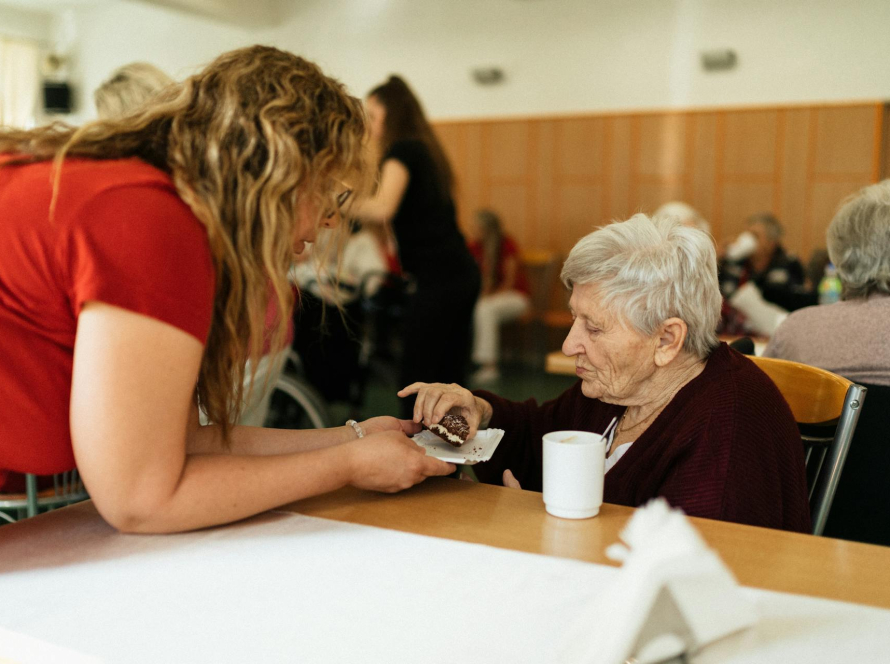
Choking incidents in nursing homes are distressing events that can have serious consequences for residents. It’s important to understand what leads to these situations and why quick actions are critical. Nursing homes are meant to be safe environments where elderly residents receive the care they need. Yet, choking remains a common concern due to various factors ranging from health conditions to improper monitoring.
As individuals age, their ability to swallow sometimes deteriorates, making them more prone to choking. In nursing homes, this issue can be compounded by insufficient staff training and awareness. Recognizing the importance of immediate medical intervention when choking occurs is critical in preventing severe harm or even death. Knowing what steps to take is vital for staff, families, and legal advocates.
Understanding Choking Incidents in Nursing Homes
Choking incidents in nursing homes typically stem from medical conditions like dysphagia, but other factors can contribute as well. These factors can vary from a resident’s weakened physical state to poor dietary supervision. Understanding these elements helps in identifying the root cause and mitigating the risks associated with choking.
Common causes of choking in nursing homes include:
– Medical conditions: Disorders such as Parkinson’s disease or stroke can affect swallowing abilities.
– Inadequate supervision: Busy schedules might lead to missed cues when a resident is struggling with food intake.
– Poor dietary choices: Offering food that’s too hard or not suited to the resident’s needs can increase choking risks.
The importance of quick response can’t be overstated. Time becomes critical, and knowing the right steps to take can save lives. For example, prompt application of basic emergency procedures like the Heimlich maneuver can prevent serious outcomes until professional medical help arrives. Ensuring that care staff are well-trained and prepared to act swiftly in emergencies can make a significant difference.
Legal Rights of Nursing Home Residents
Understanding the legal rights of nursing home residents is a critical step towards ensuring their safety and well-being. Residents are entitled to protection under federal and state laws, which advocate for their right to a safe living environment. These laws are designed to prevent neglect and abuse, safeguarding their dignity and health.
Residents have specific health and safety rights, including:
– Right to safe environments: Homes must ensure that residents are not exposed to harm and that aid is provided promptly in emergencies.
– Right to informed care: Residents should be informed about their health conditions and the care options available to them.
– Right to file complaints: If a resident or their family believes their rights have been violated, they have the legal right to speak up without fear of retaliation.
By being aware of these rights, families and residents can advocate for better conditions and necessary interventions. Knowing who to contact and how to report concerns is equally important, as it empowers residents and their families to seek justice and better care when standards fall short.
Steps to Take When a Choking Incident Occurs
When a choking incident happens, acting fast is key to ensuring the resident’s safety. Here are steps to help guide caregivers during these tense situations:
1. Assess the Situation: Quickly determine if the resident can cough or is completely unable to breathe or speak.
2. Call for Help: While attending to the resident, have someone call emergency services immediately.
3. Administer Basic Aid: If the resident is unable to cough, use techniques like the Heimlich maneuver to dislodge the blockage. Proper training in these procedures is essential for caregivers to act effectively.
4. Monitor the Resident: Even if the resident seems to recover, medical evaluation is crucial to ensure there are no further complications.
5. Report the Incident: After the situation is under control, document the incident and report it to the nursing home administration and relevant authorities. This ensures transparency and accountability.
After these initial actions, it’s vital to review what happened to understand any factors that contributed to the incident. This helps in making necessary changes to prevent future episodes.
Role of Lawyers in Choking Incidents
Lawyers play a critical role in addressing the legal aspects of choking incidents. They navigate the legal process to ensure that the rights of the resident are protected. Here’s how they can assist:
– Legal Advice: They offer guidance on the rights of the resident and possible legal actions.
– Filing Claims: Lawyers can assist families in filing claims for negligence if the incident was due to oversight by the facility.
– Seeking Justice: Support throughout the legal process, ensuring that accountability is maintained.
With a lawyer’s help, victims and their families can navigate the complexities of the legal system more effectively, ensuring that justice is pursued if negligence played a role in the incident.
Preventing Future Choking Incidents
Preventing choking in nursing homes requires proactive measures and vigilant care from staff and management. Here are some steps that can be implemented:
– Regular Training: Staff should undergo training in first aid and emergency procedures regularly. Knowing the latest guidelines ensures they can act swiftly and correctly.
– Dietary Management: Ensure that residents’ meals are appropriate for their individual abilities to chew and swallow. Consultation with dietitians can help tailor meal plans that meet health requirements without posing risks.
– Supervision during Meals: Ensure adequate staffing during meal times to monitor residents and respond immediately if a problem arises.
By putting these practices in place, nursing homes can create safer environments that reduce the likelihood of choking incidents and improve the overall care of residents.
Ensuring Care and Legal Support
Ensuring the safety and well-being of nursing home residents demands a combined effort of regular care practices and legal vigilance. Awareness of legal rights empowers families and residents, providing a layer of protection and recourse when incidents occur. Residents and their families should feel confident in the care standards and know that they have avenues for redress when those standards aren’t met.
Effective collaboration between caregivers, legal advisors, and families underscores the importance of maintaining a safe, respectful, and responsive atmosphere for elderly residents. This ensures that every incident not only receives appropriate attention but also serves as a learning opportunity to enhance safety for all residents.
If you’re concerned about a choking incident in a nursing home and need help understanding what to do next, don’t hesitate to seek support. Knowing your options and protecting your loved one’s rights can make all the difference. To learn how legal professionals can support your family, read more about lawyers for choking incidents at Jehl Law Group. Having the right guidance can help you navigate difficult situations with clarity and confidence.