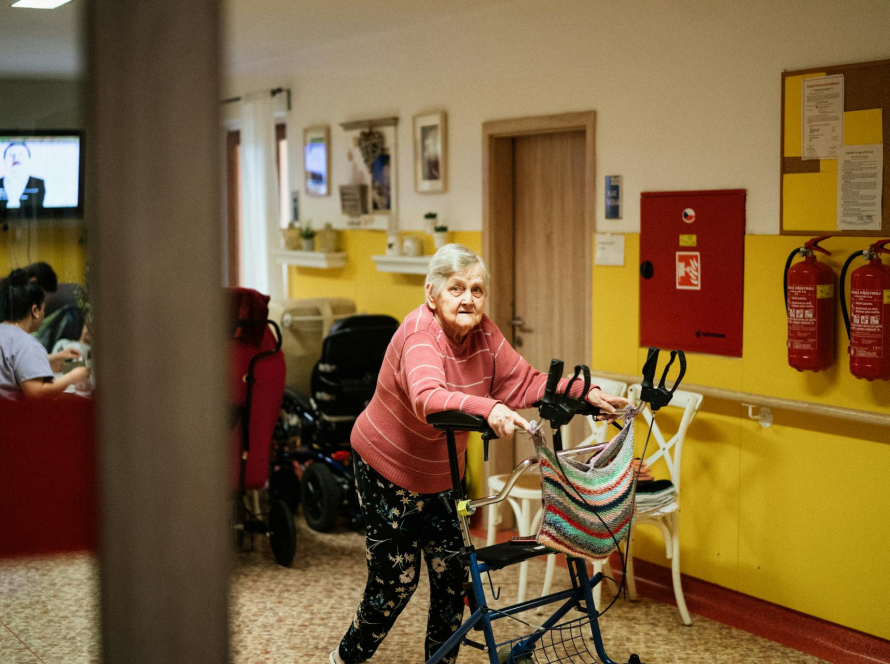
As summer rolls around in Memphis, it’s important to remember the unique safety challenges it brings to nursing homes. The warmer months can pose significant risks to elderly residents, from heat-related illnesses to dehydration. Families often worry about whether their loved ones are comfortable and secure. With some careful planning and awareness, nursing homes can mitigate seasonal dangers while ensuring that residents enjoy summer safely.
Understanding these summer safety concerns is key to providing quality care during this vibrant season. Nursing homes need to take a proactive approach by addressing specific risk factors. This not only involves monitoring temperatures and hydration levels but also includes adjusting daily care routines to protect residents from the summer heat. The following sections cover ways to enhance safety and comfort for everyone involved.
Heat-Related Illnesses
During the summer, elderly residents are at an increased risk of heat-related illnesses such as heat stroke and dehydration. The body loses its ability to regulate temperature effectively with age, making older adults more vulnerable when temperatures soar. It’s vital for nursing home staff to recognize the signs of overheating and act swiftly to protect residents from the heat.
Preventive measures can make a big difference. Staff should ensure that living spaces are well-ventilated and air-conditioned. It’s helpful to organize cooling activities like offering cold snacks or setting up shaded areas for outdoor interaction. Another essential step is planning outings or open-air events during cooler parts of the day, like early morning or late afternoon.
Regular monitoring of hydration levels is crucial. Staff can incorporate frequent reminders and encouragement for residents to drink water. Offering a variety of beverages, such as flavored water or herbal teas, may also boost fluid intake. Dehydration signals such as dark urine, confusion, and fatigue should be watched for and addressed promptly to prevent escalation.
Dehydration and Nutrition
The challenge of maintaining proper hydration in nursing homes becomes even more pressing during the summer months. High temperatures can cause rapid fluid loss, leading to dehydration if not managed properly. Nursing homes must take a comprehensive approach to ensure residents remain hydrated and well-nourished.
Here are some tips for nursing home staff to improve hydration and nutrition:
– Offer drinks throughout the day and incorporate them as part of mealtime.
– Serve hydrating foods like fruits, vegetables, and soups.
– Encourage residents to sip on beverages with meals and take part in hydration reminders.
Adjusting meal plans to include seasonal and nourishing foods can also help. Fruits like melons and berries are hydrating and can be a refreshing addition to diets. Staff should be aware of each resident’s dietary needs and adjust meal offerings to ensure both variety and nutritional adequacy.
By being vigilant about these simple practices, nursing homes can create a healthier, safer environment where residents can thrive through the summer season.
Sun Protection
As the sun shines brighter in summer, protecting elderly residents from harmful UV rays becomes especially important. Excessive sun exposure can lead to sunburns and increase the risk of skin cancer, which is a concern for the aging population. Nursing homes should prioritize sun protection to keep residents safe while enjoying outdoor activities.
Here are some helpful practices to ensure effective sun protection:
– Encourage residents to wear wide-brimmed hats and loose-fitting, lightweight clothing that covers exposed skin.
– Apply sunscreen with a high SPF on all exposed skin areas, and remember to reapply every two hours if residents are outdoors for extended periods.
– Plan outdoor activities either early in the morning or later in the afternoon to avoid peak sun intensity. Creating shaded areas with umbrellas or awnings can also make outdoor spaces safer and more enjoyable.
By adapting these practices, nursing homes can ensure that residents stay protected while soaking up the positive aspects of sunshine.
Building Safety and Maintenance
Summer also means more attention must be paid to the physical environment of nursing homes. With rising temperatures, ensuring that air conditioning systems are working efficiently is a top priority. Proper ventilation keeps residents cool and comfortable, which helps prevent heat-related issues.
Routine safety checks and maintenance are crucial. Here are key points nursing homes should focus on:
– Test HVAC systems regularly to ensure they provide adequate cooling.
– Address any wear and tear in window seals, which prevents warm air from entering.
– Implement integrated pest management practices, as warm weather can lead to increased pests.
By maintaining the facility properly, nursing homes can provide a comfortable atmosphere, making the summer months much more pleasant for residents.
Family Visits and Social Activities
Summer presents a great opportunity for family visits and social interaction, both of which are essential for residents’ emotional well-being. Social activities help combat feelings of isolation and increase happiness among residents.
Nursing homes can organize a variety of outdoor and indoor activities:
– Host themed afternoons, like a summer picnic or an ice cream social.
– Arrange for family sports days, complete with simple games that everyone can enjoy.
– Encourage residents to garden or indulge in arts and crafts, promoting creativity and mobility.
Staff play an important role in coordinating and supervising these activities to ensure they are engaging and safe for all participants.
Ensuring Comfort and Safety This Summer
By understanding and preparing for these summer safety concerns, nursing homes can significantly improve life quality for their residents. Engaging in proactive planning minimizes risks associated with heat and encourages a vibrant, comfortable environment throughout the sunny months.
Practicing diligent hydration, sun safety, and facility maintenance creates a nurturing space where residents can relax and enjoy the season. As family members, knowing such measures are taken can bring peace of mind, focusing more on the joyous aspects of summer. Enjoying these moments together fosters comfort and strengthens family connections.
By considering these various factors, you can make the nursing home environment safer and more comfortable this summer. If you want to explore more about how to address specific nursing home concerns or seek further guidance, feel free to connect with the experts at Jehl Law Group. Our team is well-equipped to assist and provide support during this hot season, ensuring peace of mind for you and your loved ones.