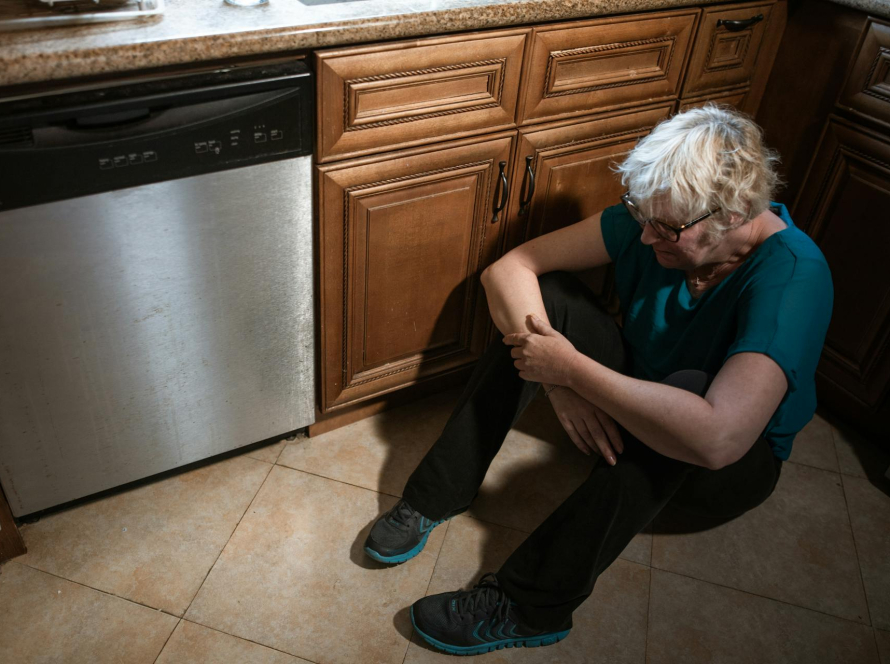
Nursing homes play a crucial role in caring for our elderly loved ones, but what happens when the staff neglects vital responsibilities? One pressing issue that has surfaced is the ignoring of call buttons. These buttons are lifelines for residents, allowing them to summon help when needed. Unfortunately, when staff fail to respond promptly, it can leave residents feeling helpless, frustrated, and vulnerable. Understanding the root of this problem is key to ensuring the safety and well-being of nursing home residents. Ignoring call buttons can have serious implications. It can lead to delayed medical attention, increased anxiety among residents, and even physical harm if emergencies aren’t addressed swiftly. While most staff are dedicated and caring, instances of negligence can occur due to understaffing, lack of proper training, or other systemic issues. Let’s explore why this happens and discover practical steps families can take to tackle this concern.
Understanding the Problem
There may be several reasons why nursing home staff might not promptly respond to call buttons. One major factor could be understaffing, where too few caregivers are responsible for too many residents. This can lead to overwhelmed staff who simply can’t keep up with the demand. Over time, this burden can result in slower response times or missed alerts. Another potential issue is inadequate training. If the staff isn’t properly educated on the importance of these call buttons, they might not fully grasp how crucial their timely responses are. Additionally, a lack of supervision or accountability might contribute to the problem, as staff may not be closely monitored or held responsible for lapses in care. The consequences of ignoring call buttons should not be underestimated. Residents may suffer from untreated medical conditions, which could cause a decline in their health. Furthermore, the psychological impact of feeling ignored can deeply affect a resident’s mental and emotional well-being. Families must understand these dangers and strive to ensure their loved ones receive the prompt and attentive care they deserve.
Immediate Steps to Take
If you suspect that nursing home staff are ignoring call buttons, it’s important to take immediate action:
1. Document Instances: Keep a detailed record of each occurrence. Note the date, time, and any specific details related to the situation. This documentation will be crucial when discussing the issue with management or authorities.
2. Communicate With Management: Approach the nursing home’s management team to discuss your concerns. Present your documented instances and highlight the potential risks involved. Engaging in a calm and constructive dialogue can help find solutions.
3. Involve Family and Friends: Engage other family members or friends to regularly visit the resident. More eyes and ears can help monitor the situation and ensure that any issues are promptly addressed.
4. Observe Staff Interactions: Pay attention to how staff interact with residents. Are there signs of neglect or indifference? Understanding the broader context can help in addressing the specific problem of ignoring call buttons.
By taking these steps, families can actively work to enhance the care their loved ones receive and hold nursing homes accountable for their responsibilities. The goal is to create a safe and nurturing environment where residents feel valued and cared for at all times.
Reporting Nursing Home Neglect
When it comes to ensuring residents’ safety within nursing homes, reporting any instances of neglect is a crucial step. Ignoring call buttons can be considered a form of neglect, and it’s essential to address it to prevent further harm. Here’s how to proceed:
1. Contact Authorities: Reach out to local or state regulatory agencies responsible for overseeing nursing home operations. It’s their job to investigate neglect claims and ensure facilities follow safety standards.
2. File a Formal Complaint: Many organizations offer online forms or hotlines to report neglect. Be sure to provide all the information you’ve documented, including details of the incident and any witnesses.
3. Utilize Advocacy Groups: Sometimes support from elder advocacy groups can make a difference. These organizations can provide assistance and guidance on how to handle the situation.
By reporting nursing home neglect, you help hold institutions accountable and ensure the well-being of all residents. It’s a necessary action to create safer environments for our loved ones.
Legal Actions and Support
In cases where neglect continues despite reporting, exploring legal options might be necessary. Families need to understand their rights and how legal avenues can provide relief and justice. Seeking advice from attorneys can be invaluable. They can guide families through the intricacies of the legal process and help determine the best course of action. Legal professionals can assist in advocating for better care standards and seeking compensation if harm occurred due to neglect.
Taking Preventive Measures
Prevention is always better than cure, so taking steps to monitor and improve the care provided is fundamental. Families can take numerous actions to prevent call button neglect and other issues:
– Regular Visits: Frequently visiting the resident can deter staff neglect and demonstrate the family’s active interest in the resident’s well-being.
– Stay Informed: Keep up with the latest developments in elder care policies. Educated families can demand better care.
– Foster Good Relationships: Build a rapport with care staff. This can provide families with inside information and encourage staff to prioritize the resident’s needs.
Ensuring Long-Term Safety
Safety doesn’t end with fixing immediate issues; it involves ongoing vigilance and proactive measures. Consistent follow-up helps ensure that the initial problems don’t recur and standards remain high. Checking in regularly with the resident and keeping open lines of communication with the nursing home staff can prevent issues from re-emerging. In this comforting ecosystem, residents feel more secure, families are more at ease, and nursing homes maintain high standards of care, benefiting everyone involved.
Stay Vigilant: Protect Your Loved Ones
In the journey of ensuring your loved ones’ safety in nursing homes, staying vigilant is the key. Regular monitoring, prompt reporting of issues, and involving legal assistance when needed all play critical roles. Being proactive and attentive in these environments creates a safety net for residents. Empower yourself with knowledge and the resolve to act, safeguarding those who depend on these services in their most vulnerable years.
If you’re concerned about ensuring the safety of your loved ones in nursing homes, it’s time to take action. Keeping an eye on the quality of care and addressing any issues promptly can make a big difference. If you need to report nursing home neglect, Jehl Law Group is here to help guide you through the process and offer the support your family deserves.