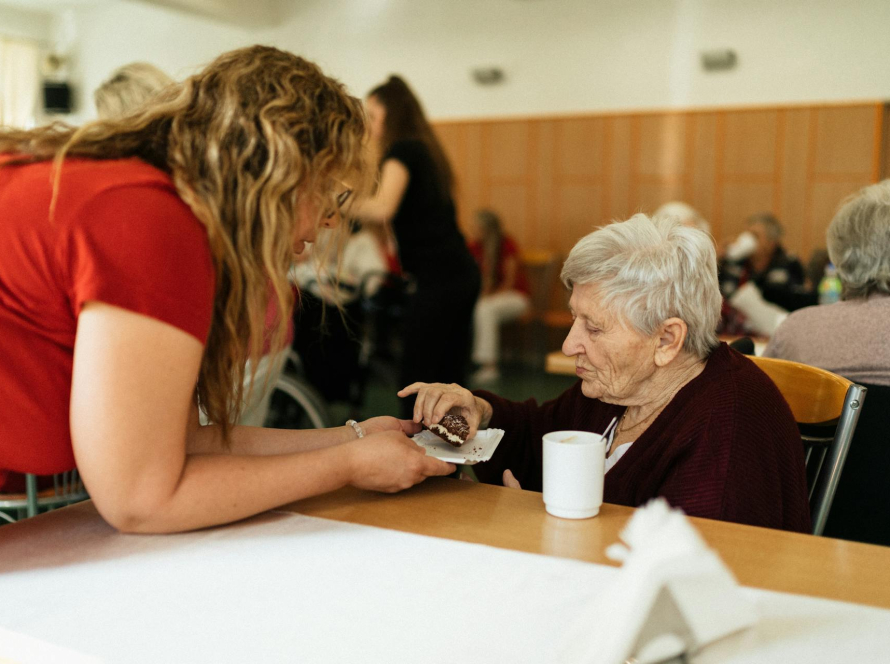
Elderly individuals placed in nursing homes or long-term care facilities deserve to live their lives with dignity, respect, and proper care. When we entrust these organizations with the well-being of our loved ones, it’s vital to understand the rights that protect them from potential abuse and neglect. Resident’s rights, derived from state and federal regulations, shield elderly individuals in nursing homes and guarantee specific entitlements that ensure a safe, healthy, and high-quality living environment.
In this article, we’ll delve into the rights and protection frameworks that encompass nursing home residents. It’s our goal to inform and empower you as families and caregivers to hold the care providers accountable and protect your elderly loved ones from abuse or mistreatment.
An Overview of Nursing Home Resident’s Rights
Familiarizing yourself with the primary provisions that constitute the nursing home resident’s rights is essential in safeguarding your elderly loved one from abuse or mistreatment. These rights are designed to uphold their well-being and apply to various aspects of their daily life. Key resident rights include:
1. Quality care: Nursing home residents are entitled to an adequate standard of care that caters to their physical, mental, and emotional needs. This includes appropriate nutrition, hygiene, and medical care, as well as an individualized care plan to enhance their overall well-being.
2. Privacy and Confidentiality: Residents have a right to privacy and confidentiality in all aspects of their daily lives, including during medical care, personal care, and communication with others. This right extends to their personal possessions and accommodations as well.
3. Freedom from abuse and neglect: Nursing home residents have a right to live free from any form of abuse, whether physical, emotional, sexual, or financial. They are also entitled to protection from neglect, including the failure to provide essential care or ignoring their basic needs.
4. Self-determination and autonomy: Residents have a right to be treated with respect and dignity and should have control over their daily lives, including decisions about their care, preferences, and routines. Their autonomy and freedom of choice should always be respected and honored.
The Role of Families and Caregivers in Upholding Resident’s Rights
Families and caregivers play a vital role in ensuring that nursing home residents’ rights are protected and maintained. These suggestions can help you be an effective advocate for your loved one’s rights:
1. Educate yourself and your loved one: Research and understand the laws surrounding nursing home resident’s rights and share this knowledge with your elderly family member. Empower them with the information necessary to communicate any concerns or discrepancies that may arise in their care.
2. Maintain open communication: Establish a strong relationship with your loved one and the nursing home staff, enabling you to openly discuss any concerns or issues regarding their care and rights. Regular and meaningful communication is essential in addressing potential problems early on.
3. Observe and document: During your visits, observe your loved one’s living conditions and interactions with staff carefully. Document any changes that may indicate a violation of their rights, such as signs of abuse, neglect, or a lack of privacy.
4. Speak up: If you have concerns about your loved one’s rights being violated, don’t hesitate to raise the issue with the nursing home administration or, if necessary, legal authorities. Timely action can deter further infringements and help rectify instances of abuse or neglect.
Filing a Complaint Against Nursing Home Abuse
If you suspect that your elderly loved one’s rights have been violated, it’s crucial to know how to address the issue and when to seek legal assistance. Follow these steps to file a complaint and hold the nursing home accountable:
1. Speak with the nursing home administration: Raise your concerns with the facility management. Present any documentation or evidence you’ve collected, and discuss possible solutions for the issue.
2. Contact regulatory agencies: If the situation is not promptly resolved, you may file a complaint with relevant state or federal agencies that oversee nursing homes and resident’s rights, such as the Centers for Medicare & Medicaid Services (CMS) or your state’s ombudsman program.
3. Seek legal assistance: In cases where abuse or neglect has caused harm or resident’s rights have been continually violated without resolution, contact a qualified attorney experienced in nursing home abuse cases. This legal professional can guide you through the process of pursuing the matter further and potentially taking the case to court.
Conclusion
Recognizing and upholding nursing home resident’s rights is a crucial step in ensuring that your elderly loved ones receive the care, respect, and dignity they deserve. By educating yourself on these rights, maintaining communication with your loved one and care staff, and taking immediate action when necessary, you can help prevent nursing home abuse and promote a safe and supportive environment. Remember, we’re always here to provide legal guidance and support if you find yourself facing potential nursing home abuse or neglect of your elderly family members. Our mission is to help you protect the rights and well-being of your loved ones in their time of need.