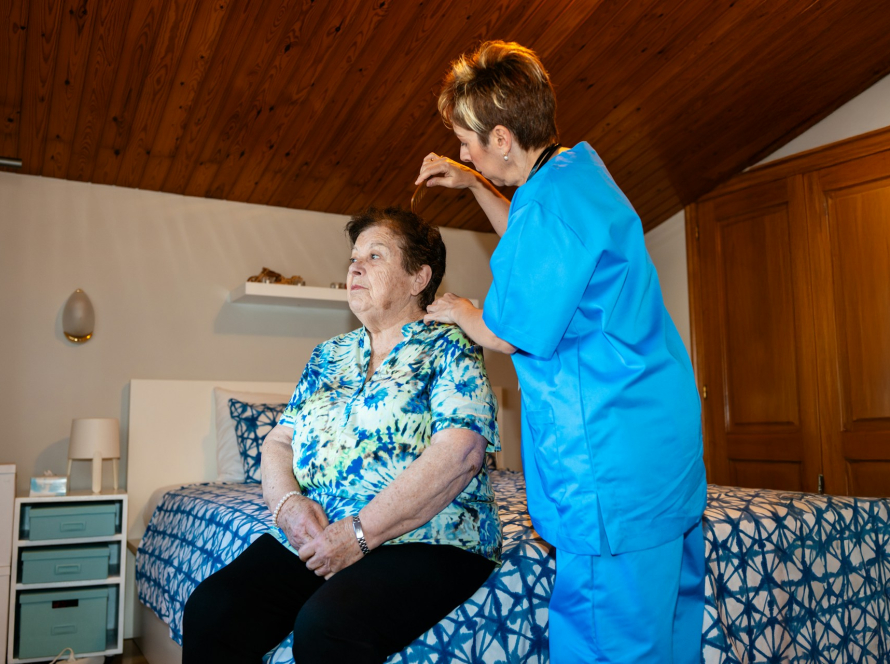
Nursing home staff play a critical role in ensuring the wellbeing and safety of elderly residents. These healthcare professionals and care providers are often the first line of defense against elder abuse and neglect. Understanding and acknowledging the importance of this responsibility is not only vital for staff but also for the residents and their families, who depend on them for care and protection. At Jehl Law Group, our team of skilled attorneys specializes in representing seniors and their families in cases of nursing home abuse, reinforcing the responsibilities of nursing homes and their staff in safeguarding residents’ welfare.
This comprehensive blog post will focus on the role of nursing home staff in identifying and reporting signs of abuse and neglect, as well as outlining the importance of ongoing staff training and understanding their legal responsibilities.
Recognizing Abuse and Neglect
Properly recognizing signs of abuse and neglect is an essential step for nursing home staff to protect elderly residents. Staff members should be trained to notice the following symptoms:
1. Physical signs: Unexplained injuries such as bruises, broken bones, burns, cuts, or pressure sores may indicate potential abuse or neglect.
2. Emotional signs: Staff should watch for changes in the residents’ behavior, such as depression, anxiety, excessive fear or crying, and withdrawal from social interactions.
3. Environmental signs: The living conditions in the nursing home should always be clean and safe. Poor hygiene, soiled clothing or bedding, insufficient food and water, and a lack of necessary medical equipment or medications may signal neglect.
4. Behavioral signs: Staff should observe resident interactions with caregivers and other residents. Aggressive behavior, refusal to comply with care routines, flinching when touched, or hesitation around certain staff members could be signals of abuse.
Reporting and Documentation
Nursing home staff have a responsibility to report any suspected abuse or neglect as soon as possible. This should involve the following steps:
1. Documentation: Staff should create thorough and accurate records of potential abuse or neglect incidents, including photographs of injuries, descriptions of changes in behavior or living conditions, and details of any conversations with the resident.
2. Internal Reporting: Employees should follow the nursing home’s internal procedures for reporting suspected abuse or neglect, which may involve notifying supervisors or administrators.
3. External Reporting: In cases where the nursing home’s actions are insufficient, or when mandated by law, staff should report suspicions to state agencies, such as adult protective services or the local long-term care ombudsman.
Staff Training and Education
Ongoing training and education for nursing home employees are crucial for effectively recognizing and preventing abuse and neglect:
1. Initial Training: Staff should undergo comprehensive, state-mandated training in recognizing and preventing abuse and neglect before starting work at a nursing home.
2. Continuing Education: Regular refresher courses and workshops should be provided to help staff stay updated on the latest best practices and regulations.
3. Scenario-Based Training: Staff should participate in exercises and simulations that mimic real-life situations to build confidence and competence in handling abuse and neglect situations.
4. Corporate Culture: Nursing homes must prioritize fostering a corporate culture that values resident safety and wellbeing, promotes open communication, and encourages employees to take action when they suspect abuse or neglect.
Legal Responsibilities
Nursing home employees must know and understand their legal obligations in reporting and preventing abuse and neglect. Failure to fulfill these responsibilities can result in severe consequences:
1. Mandatory Reporting: In many states, nursing home staff members are mandated reporters, meaning they are legally required to report any suspicions of abuse or neglect. Failure to report can result in fines, loss of employment, and even criminal charges.
2. Liability: Both nursing homes and their staff can be held liable for the consequences of abuse or neglect if they were aware of the situation and failed to take appropriate action.
3. Licensing and Accreditation: Nursing homes must maintain compliance with state and federal licensing and accreditation requirements. Failure to address abuse or neglect allegations can lead to costly fines, penalties, loss of funding, and even facility closure.
4. Accountability: The proper reporting of abuse and neglect is crucial to holding abusers accountable and ensuring that residents receive the safe and compassionate care they deserve.
Conclusion
The role of nursing home staff in identifying and reporting abuse and neglect is of utmost importance in ensuring elderly residents’ safety and wellbeing. By receiving comprehensive training, understanding their legal responsibilities, and fostering a supportive and proactive work environment, staff can significantly contribute to preventing abuse and neglect within their facilities.
If you have concerns about a nursing home’s handling of abuse or neglect cases, don’t hesitate to reach out to our nursing home abuse lawyers at Jehl Law Group. The expertise and guidance provided by legal professionals can make a significant difference in protecting elderly loved ones and holding negligent facilities accountable.