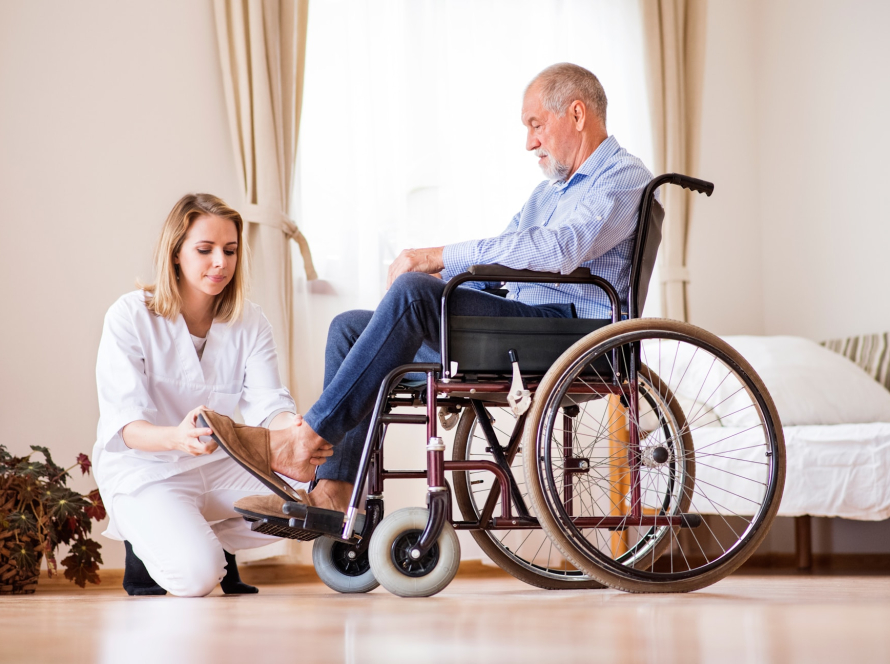
Ensuring the mental health of seniors living in nursing homes is vital, as mental well-being plays a substantial role in overall health and quality of life. Unfortunately, mental health concerns are often overlooked or underestimated, and neglecting the psychological needs of elderly residents can lead to serious consequences, including increased risks of nursing home abuse or neglect. At Jehl Law Group, our knowledgeable attorneys are experienced in handling cases of nursing home mistreatment, emphasizing the significance of safeguarding senior mental health and providing guidance on how to protect your loved ones from harm.
In this comprehensive blog post, we will delve into the importance of prioritizing mental health in nursing homes, the responsibilities of family members in supporting their loved ones, and the role experienced attorneys can play in addressing instances of nursing home abuse or neglect. Our discussion will encompass essential topics such as:
1. The Prevalence of Mental Health Issues in Seniors: Understand the risks and common mental health concerns affecting seniors in long-term care facilities.
2. The Importance of Providing Quality Mental Health Care: Learn about the critical benefits of addressing psychological needs in nursing homes and the impact it has on the overall well-being of residents.
3. The Role of Family Members in Safeguarding Mental Health: Discover the essential responsibilities family members have in monitoring, advocating, and providing support for their loved one’s mental well-being.
4. The Consequences of Neglecting Mental Health: Uncover the potential dangers of overlooking mental health concerns in elderly residents, including the increased risk of nursing home abuse or neglect.
By highlighting the importance of maintaining mental health among seniors living in nursing homes, we can foster a secure, supportive environment that reduces the risks of abuse or neglect. Read on to uncover essential knowledge about senior mental health in nursing homes and the crucial steps to take in protecting your loved ones from harm.
Safeguarding Senior Mental Health in Nursing Homes
The Prevalence of Mental Health Issues in Seniors
Mental health concerns are more common among seniors than you might think, especially in long-term care facilities. According to the World Health Organization, approximately 15% of adults aged 60 and over experience mental disorders, including dementia and depression. For residents in nursing homes, these numbers are even more significant, as they often face unique challenges that can negatively impact their psychological well-being, such as social isolation, loss of independence, and the stress of adjusting to a new environment.
Understanding the prevalence and risks associated with mental health concerns in elderly individuals is essential to addressing these issues and ensuring a high standard of care for nursing home residents.
The Importance of Providing Quality Mental Health Care
Promoting mental health and addressing existing concerns in nursing homes are crucial to the overall well-being of residents. By acknowledging their psychological needs and taking appropriate measures to foster a supportive, therapeutic environment, we can:
1. Improve Quality of Life: By addressing mental health concerns, seniors can experience a more fulfilling and purposeful existence, connecting with others, engaging in meaningful activities, and maintaining a sense of dignity.
2. Enhance Physical Health: Poor mental health can lead to physical ailments and decline. By prioritizing psychological well-being, we not only improve emotional health but also support seniors in maintaining their physical abilities and independence.
3. Reduce the Risk of Abuse or Neglect: A supportive environment that acknowledges and addresses mental health concerns can minimize the potential for abuse or neglect, as staff will be trained to recognize symptoms and take appropriate action.
The Role of Family Members in Safeguarding Mental Health
Family members play a vital role in ensuring their loved ones receive the care and support necessary for good mental health. There are several key responsibilities for family members in this process:
1. Monitor Your Loved One’s Mental Health: Regularly visit and engage in conversation with your family member, paying attention to any changes in mood, demeanor, or behavior that may indicate emerging mental health concerns.
2. Communicate With Nursing Home Staff: Maintain open and honest communication with staff regarding your loved one’s mental health history, preferences, and needs. Sharing this information ensures staff have the knowledge they need to provide the appropriate level of care and support.
3. Advocate for Comprehensive Care: Encourage the nursing home to develop a care plan that addresses your loved one’s mental health needs, incorporating therapies, activities, and individualized support as necessary.
4. Encourage Socialization and Activities: Promote your loved one’s engagement in social and recreational activities that foster mental stimulation, socialization, and a sense of purpose.
The Consequences of Neglecting Mental Health
Neglecting the mental health needs of seniors can have detrimental effects on their overall well-being and quality of life, including:
1. Increased Risk of Abuse or Neglect: Residents experiencing mental health difficulties may be more vulnerable to abuse or neglect, as they might struggle to communicate their needs or advocate for themselves effectively.
2. Decline in Physical Health: Poor mental health often correlates with a decline in physical health, as residents may not have the motivation or energy to engage in activities that support their physical well-being.
3. Reduced Quality of Life: A lack of attention to mental health issues can lead to feelings of isolation, loneliness, and hopelessness, profoundly impacting a resident’s overall happiness and satisfaction.
4. Strained Relationships: Unaddressed mental health concerns may make it difficult for residents to maintain connections with their friends and family members, further exacerbating feelings of isolation.
Conclusion
Protecting the mental health of seniors in nursing homes is crucial, as it plays a significant role in their overall health and well-being. Family members are vital in this process, as they can monitor their loved one’s mental health, communicate with nursing home staff, and advocate for comprehensive, individualized care plans that address mental health needs.
By fostering a nurturing environment where mental health is prioritized, we can help prevent the negative consequences of neglecting residents’ psychological well-being, including the potential for nursing home abuse or neglect. If you have concerns about the mental health care provided at your loved one’s nursing home or suspect abuse or neglect, don’t hesitate to reach out to Jehl Law Group’s experienced attorneys for guidance and support.