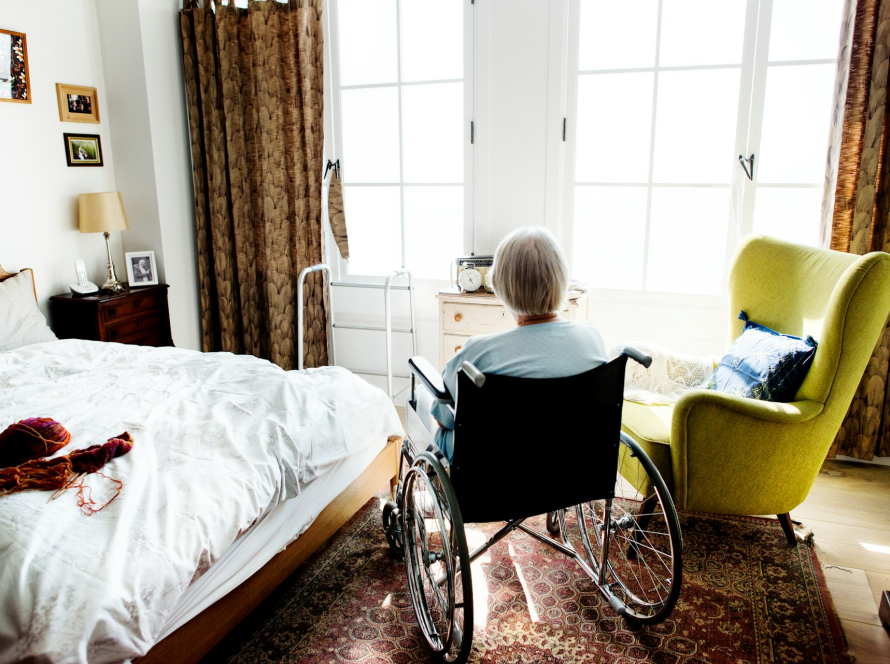
One of the significant areas of concern in elderly care is medication management, which is crucial for the overall well-being of nursing home residents. According to the Institute of Medicine, medication errors are among the most common medical mistakes made in healthcare settings, with the potential to cause severe harm or even death to older adults residing in nursing homes. Ensuring the proper administration of medications is vital in reducing the risk of nursing home abuse or neglect and maintaining the health and safety of seniors.
As family members, friends, or caretakers, it is essential to be proactive in protecting our loved ones from medication errors within nursing homes. To achieve this, a comprehensive understanding of the common causes of medication mistakes and effective strategies to monitor medication management is critical.
In this article, we will discuss the importance of proper medication administration in nursing home settings, explore common causes of medication errors, and suggest steps that families and caretakers can take to safeguard their loved ones. With the guidance of Jehl Law Group attorneys, who are experienced in nursing home abuse cases in Tennessee and several other states, including Arkansas, Illinois, Kentucky, Mississippi, Missouri, and Pennsylvania, our goal is to raise awareness and provide support in protecting the health and safety of elderly residents in nursing homes.
By recognizing the potential risks associated with medication errors and taking actionable steps to prevent them, we can create a safer environment that promotes the health and well-being of our loved ones in nursing home communities.
Protecting Seniors from Medication Mistakes in Nursing Homes
Understanding the importance of proper medication administration in nursing home settings is vital for protecting elderly residents from potential abuse and neglect. In this article, we will explore the common causes of medication errors and provide strategies to help families and caretakers ensure their loved ones’ health and safety.
Common Causes of Medication Errors in Nursing Homes
Identifying the underlying causes of medication mistakes can help in addressing these problems and preventing further harm. Some common reasons for errors include:
1. Communication Breakdowns: Miscommunication between healthcare providers, nursing home staff, and residents can lead to incorrect medication doses or administration frequency.
2. Staffing Issues: Overworked or understaffed nursing homes might struggle to provide proper attention to medication management, increasing the risk of errors.
3. Prescription Errors: Mistakes made by physicians when prescribing medications can result in inappropriate drug interactions or incorrect dosages.
4. Documentation Issues: Careless documentation or updating of resident medical records can cause errors, such as administering discontinued medications.
By understanding these causes, families and caretakers can be better equipped to monitor medication management and address potential concerns with nursing home staff.
Strategies to Monitor Medication Management and Prevent Errors
Being proactive in medication management can help protect elderly residents from harm and maintain their overall health and safety. Here are some strategies for monitoring medication management and preventing errors:
1. Maintain a Complete Medication List: Keep an up-to-date list of your loved one’s medications, including names, dosages, and prescribing physicians, to ensure accurate information at all times.
2. Educate Yourself about Medications: Take the time to learn about the purpose of each medication, its potential side effects, and the required dosage, enabling you to identify any potential issues.
3. Communicate Clearly with Staff: Establish open communication channels with nursing home staff and healthcare providers to stay informed about any changes in your loved one’s medications.
4. Regularly Review Your Loved One’s Medications: Periodically review medication lists, medical charts, and consumption records to identify any inconsistencies or errors.
Implementing these strategies can help in identifying medication management issues and prevent potential harm to nursing home residents.
Recognizing Signs of Medication Errors and Taking Action
Staying vigilant and observing your loved one’s health closely can help identify potential medication errors early on. Here are some red flags to watch for:
1. Unusual Symptoms or Reactions: If your loved one exhibits new symptoms or side effects that could be linked to their medications, discuss these concerns with healthcare providers and nursing home staff.
2. Inconsistent Medication Administration: Closely monitor the frequency, timing, and dosage of the medications administered to your loved one and address any potential discrepancies immediately.
3. Lack of Improvement or Deteriorating Health: If the resident’s health does not improve or worsens despite medication, this may be an indication of medication errors.
By identifying these red flags and taking prompt action, families and caretakers can protect their loved ones from potential harm and ensure their safety.
The Role of Pharmacists in Preventing Medication Errors
Pharmacists play a crucial role in optimizing medication management for nursing home residents and preventing errors. Some ways pharmacists can contribute include:
1. Drug Regimen Reviews: Pharmacists can help in reviewing and optimizing residents’ medication regimens to avoid inappropriate drug interactions and potential errors.
2. Medication Therapy Management (MTM) Services: Providing consultation and support to residents and nursing home staff through MTM services can ensure proper medication administration and adherence.
3. Staff Education: Pharmacists can offer training and educational sessions on medication administration best practices to nursing home staff members.
By involving pharmacists in medication management, nursing homes can optimize the administration process and potentially reduce errors.
The Importance of Proactive Medication Management in Nursing Home Abuse Prevention
Ensuring proper medication administration is crucial in protecting elderly residents from potential nursing home abuse and neglect. By understanding the common causes of medication errors, implementing strategies to monitor management, and involving pharmacists in the process, families and caretakers can proactively safeguard their loved ones’ well-being.
With their extensive experience in nursing home abuse cases across Tennessee and other states, including Arkansas, Illinois, Kentucky, Mississippi, Missouri, and Pennsylvania, Jehl Law Group attorneys are ready to provide guidance and support as you navigate the challenges of medication management in nursing home settings. Contact our nursing home abuse attorneys today to discuss your concerns and learn how we can work together to ensure the health and safety of your loved ones in nursing home communities.