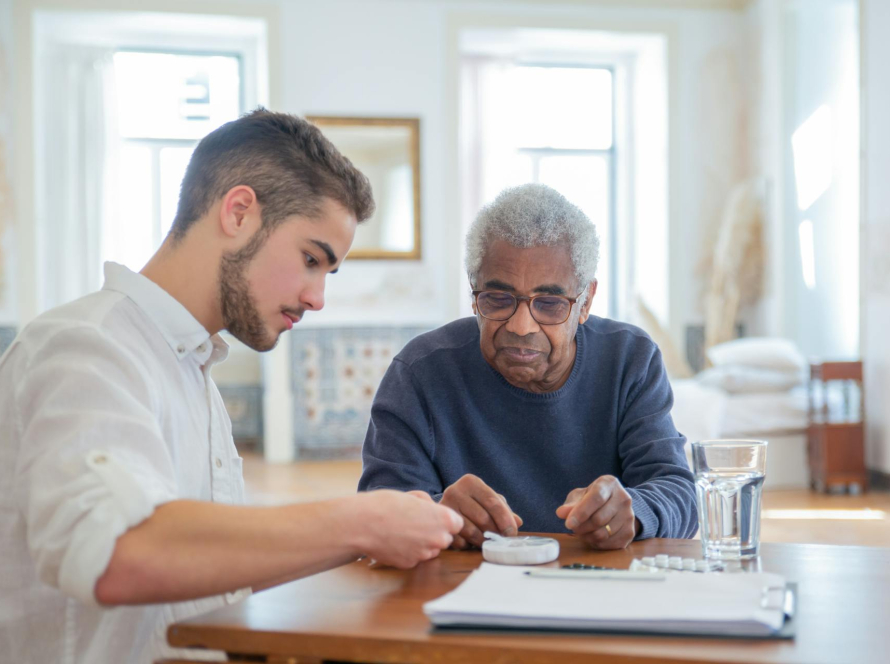
Financial abuse is a prevalent and distressing form of elder abuse that can affect unsuspecting nursing home residents, robbing them of their hard-earned financial resources and security. Perpetrators of financial abuse can be nursing home staff, family members, or even other residents, making it necessary for families to be vigilant and proactive in recognizing the warning signs of this insidious form of mistreatment. Safeguarding your elderly loved ones’ financial well-being is crucial to their overall quality of life and long-term peace of mind.
At Jehl Law Group, our commitment to addressing nursing home abuse and neglect extends to helping families understand the risks and challenges related to financial abuse among elderly residents. In this blog post, we will provide valuable insights on recognizing the signs of financial abuse and offer practical guidance on how to protect your loved one’s financial interests, assets, and well-being.
Combating Isolation and Loneliness in Nursing Homes: A Guide to Supporting Your Elderly Loved Ones’ Mental Well-being
The Impact of Isolation and Loneliness on Elderly Residents
Isolation and loneliness can have profound emotional, cognitive, and physical effects on elderly nursing home residents. Some of these effects include:
1. Mental health: Isolation and loneliness can contribute to increased depressive symptoms and anxiety, which can negatively impact residents’ overall psychological well-being.
2. Cognitive decline: Studies suggest that social isolation may be linked to a faster rate of cognitive decline in older adults, increasing the risk of Alzheimer’s disease and other forms of dementia.
3. Physical health: Research has demonstrated that loneliness can increase the risk of developing various health problems, such as heart disease, stroke, and weakened immune function.
Maintaining Regular Communication and Involvement
To alleviate isolation and loneliness, family members should prioritize maintaining regular communication and involvement with their elderly loved ones:
1. Establish a communication routine: Schedule consistent phone or video calls to check-in and chat, promoting a sense of connection and emotional support.
2. Plan visits: Arrange in-person visits as often as possible, adhering to nursing home visitation policies and safety guidelines while providing much-needed social interaction for your loved one.
3. Send care packages or letters: Sending thoughtful care packages, letters, or pictures can help your elderly loved one feel more connected and loved, even from afar.
4. Explore technology options: Utilize technology, such as tablets or smartphones, to enable more accessible and diverse communication methods when phone calls are not sufficient.
Fostering Emotional Support and Meaningful Connections
Cultivating emotional support and meaningful connections within the nursing home setting can significantly improve residents’ mental well-being:
1. Encourage participation in social activities: Advocate for your loved one to engage in social events, group activities, or clubs within the nursing home, providing opportunities to develop friendships and connect with peers.
2. Explore companionship options: Look into options like volunteer programs, paired roommates, or pet therapy to offer companionship and emotional support for your elderly loved one.
3. Address spiritual needs: Help your loved one address any spiritual needs or interests by connecting them with religious or spiritual services and communities within the nursing home or nearby area.
4. Implement personalized activities: Work with the nursing home staff to incorporate individualized activities that align with your loved one’s interests and hobbies, promoting a sense of purpose and enjoyment.
Collaborating with Nursing Home Staff to Promote Emotional Well-being
Working closely with nursing home staff is essential to fostering an environment that supports emotional well-being:
1. Discuss care plans and needs: Communicate openly with nursing home staff about your loved one’s emotional and social needs, ensuring these are addressed in the care plan.
2. Request updates and progress reports: Regularly check in with staff to monitor your loved one’s mental well-being and gauge the effectiveness of implemented interventions.
3. Offer suggestions for activities and improvements: Share ideas for activities or strategies that can further enhance your loved one’s emotional well-being within the nursing home setting.
4. Advocate for mental health resources: Encourage the nursing home to prioritize mental health support and resources, such as access to counseling services or mental health professionals.
Conclusion
Isolation and loneliness can have a substantial impact on the mental well-being of elderly nursing home residents. By taking affirmative steps to maintain regular communication, foster emotional support, and collaborate with nursing home staff, family members can help combat isolation and loneliness, ultimately enhancing their loved ones’ overall quality of life.
At Jehl Law Group, our nursing home attorneys understand the importance of addressing isolation and loneliness within nursing homes to support the emotional well-being of elderly residents. Our commitment to addressing nursing home abuse and neglect includes providing families with the information, guidance, and resources needed to ensure their elderly loved ones are well-supported and their emotional needs are met. Working together, we can help create a more nurturing and compassionate environment for all nursing home residents.