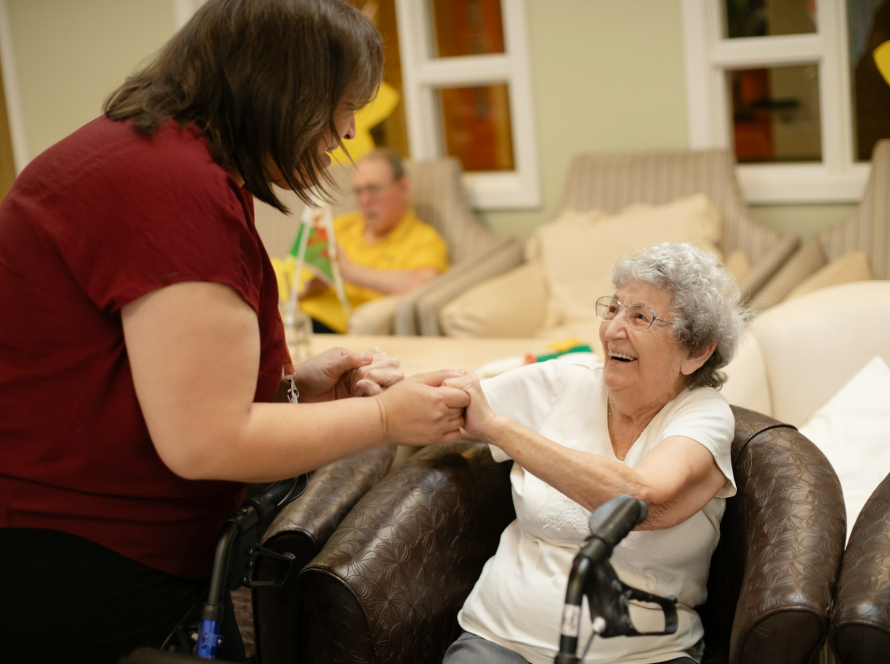
In the arena of geriatric care, nursing homes traditionally stand as the bastions of safety, comfort, and medical attention for our elderly population. However, they are not without their shortcomings.
Among the most pressing health issues that plague these institutions are dehydration and malnutrition, conditions that not only exacerbate existing health problems but also create new ones, often with devastating consequences. This in-depth exploration delves into the pervasive problems of dehydration and malnutrition in nursing homes, endeavoring to identify their root causes, determine their impacts, and propose effective strategies for prevention.
With a growing aged population, the importance of addressing these issues cannot be overstated; it is a matter of life quality, and indeed, life itself. The discussion seeks to provide a comprehensive understanding of these issues, aiming to catalyze necessary improvements in elderly care and contribute to the broader discourse on geriatric health and wellness.
Recognizing the Warning Signs of Dehydration and Malnutrition
Early detection of dehydration and malnutrition is critical for preventing serious health complications. Familiarize yourself with the common warning signs to facilitate proactive intervention:
1. Signs of Dehydration: Symptoms may include dry or sticky mouth, sunken eyes, increased thirst, dark urine, lethargy, and rapid weight loss. These symptoms may signal a lack of adequate fluid intake.
2. Signs of Malnutrition: Malnutrition manifests through various symptoms, such as weakness, dizziness, unexplained weight loss, swollen or bleeding gums, and a decline in cognitive function. These indicators suggest that a resident may not be receiving sufficient nutrients.
By recognizing and addressing these warning signs, nursing home staff and caregivers can take action to ensure the residents’ well-being.
Practical Steps to Address and Prevent Dehydration and Malnutrition
To address and prevent dehydration and malnutrition in nursing homes, caregivers and staff should implement a comprehensive care plan that includes:
1. Nutritional Support: Provide residents with well-balanced meals tailored to their specific dietary needs, preferences, and medical conditions. Monitor mealtime assistance and adaptive utensils, if necessary.
2. Hydration Management: Make sure that residents have easy access to water and other fluids throughout the day and are encouraged to drink regularly. Offer beverages that the resident finds appealing and use visual cues to promote intake.
3. Regular Monitoring: Caregivers should routinely monitor residents’ weight, hydration status, and overall health. Document any changes or concerns to ensure proper follow-up.
4. Individualized Care Plans: Develop care plans tailored to each resident’s unique needs, taking into account factors such as medical history, dietary requirements, and personal preferences. Update these plans regularly as the resident’s needs change.
Understanding the Legal Consequences of Dehydration and Malnutrition in Nursing Homes
When dehydration or malnutrition occurs due to negligent care or as a result of inadequate staffing ratios, affected residents and their families may have grounds to pursue legal action. Key steps to consider when pursuing a claim include:
1. Document the Situation: Keep detailed records of your loved one’s symptoms, any observed neglect or inadequate care, and communications with the nursing home staff or administration.
2. Seek Legal Advice: Consult with an experienced attorney who specializes in nursing home negligence and elder abuse cases. They can help you understand your rights and assess your potential legal claims.
3. Prepare and File a Legal Claim: If warranted, your attorney can help you prepare and file a legal claim against the nursing home. This process may involve compiling evidence, gathering expert testimonials, and potentially negotiating a settlement or proceeding to trial.
Understanding Dehydration and Malnutrition in Nursing Homes
Dehydration and malnutrition represent serious health concerns for elderly residents in nursing homes, and it is critical for caregivers, nursing home staff, and family members to remain vigilant for signs of these issues. By understanding the early warning signs, implementing practical intervention strategies, and maintaining accountability for the quality of care provided, we can help safeguard the health and well-being of our elderly loved ones.
At Jehl Law Group, our experienced team of lawyers in Memphis is dedicated to advocating for nursing home residents and their families in cases of neglect, abuse, and substandard care. If your loved one has suffered from dehydration or malnutrition due to inadequate care in a nursing home setting, we are here to support you through the legal process and help you seek the justice and compensation owed to you.
Together, we can make a difference by ensuring nursing homes prioritize the well-being of their residents and provide the quality care they deserve.