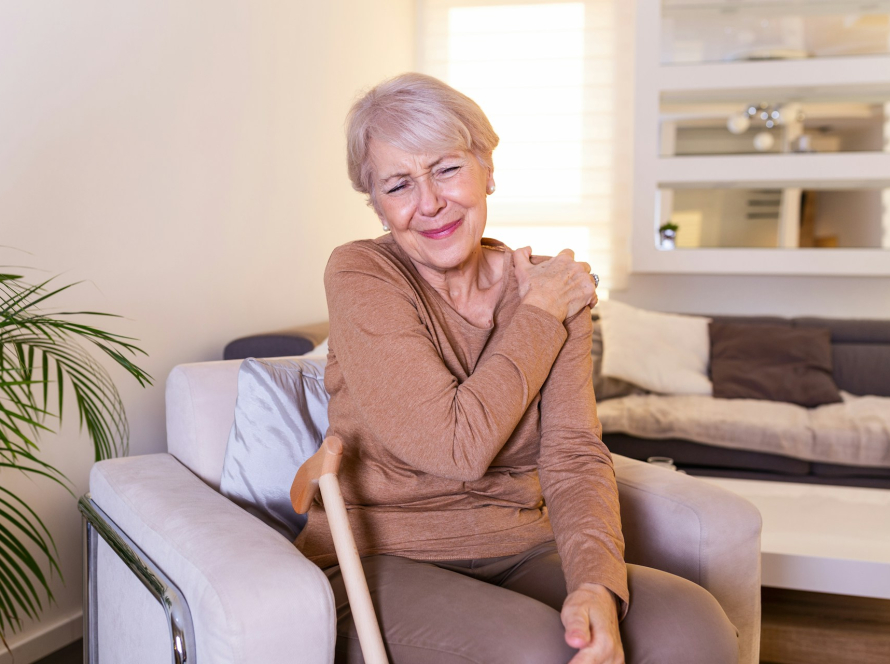
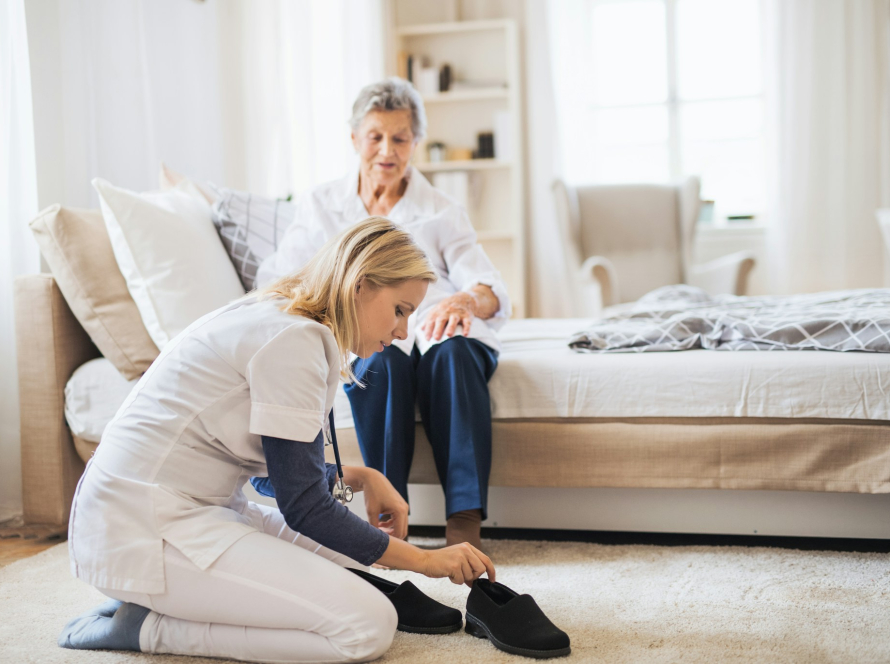
Given that placing an elderly family member in a nursing home environment can be a challenging and emotional decision, it is crucial to ensure that they reside in a safe, nurturing, and compassionate setting where their needs are prioritized and addressed. With an alarming number of neglect and abuse cases occurring in nursing homes, it is essential to establish and enforce best practices that promote the safety, well-being, and dignity of the elderly residents.
At Jehl Law Group, our commitment to fighting nursing home abuse extends to helping families and care facilities create safer living environments for the elderly. In this blog post, we will discuss practical steps and best practices that families can take in collaboration with nursing homes to ensure the safety of their elderly loved ones. We will delve into the importance of proper staff training, open communication channels between families and staff, and the implementation of monitoring systems to enhance accountability and prevent potential abuse or neglect.
Join us as we explore these essential strategies to enhance nursing home safety and empower families to effectively advocate for the well-being and dignity of their elderly loved ones.
Improving Nursing Home Safety: Best Practices for Families and Care Facilities
The Importance of Adequate Staff Training
Proper staff training is a pivotal factor in ensuring a safe and supportive environment for nursing home residents. Comprehensive education programs should encompass the following areas:
1. Medical care: Training must address the diverse medical needs of residents, such as administering medications, managing chronic conditions, and handling emergencies.
2. Communication skills: Staff should learn how to communicate effectively and sensitively with residents and their families, fostering trust and cooperation.
3. Dementia and memory care: Specialized training is necessary for staff working with residents suffering from Alzheimer’s or other forms of dementia, as these conditions require unique care approaches.
4. Abuse and neglect prevention: Staff should be educated on the signs and consequences of abuse and neglect, as well as strategies for preventing and reporting any incidents.
Fostering Open and Honest Communication Channels
Transparent and ongoing communication between families and care facilities is vital in maintaining a safe and nurturing environment for residents:
1. Care planning: Families should be actively involved in the creation and implementation of their loved one’s care plan, ensuring that their preferences, medical needs, and personal goals are considered and met.
2. Regular updates: Nursing home staff should provide updates on residents’ health status, progress, and any changes in their care needs or circumstances; likewise, family members should share pertinent information with the care team.
3. Expressing concerns: Facilitate an open-door policy for families to voice concerns or grievances and ensure that any issues are addressed promptly and effectively.
4. Collaboration between families and staff: Mutual support and cooperation between families and care providers help to overcome challenges and create a positive atmosphere in the nursing home.
Implementing Monitoring Systems to Enhance Accountability
Establishing monitoring systems within the nursing home can help improve safety by holding facilities accountable for their actions and adherence to safety standards:
1. Surveillance cameras: Strategically placed cameras can deter potential abuse or neglect, while also serving as a tool for identifying and addressing concerns in resident care.
2. Regular inspections: Frequent, unannounced inspections by regulatory agencies or family members help keep staff vigilant and accountable for their actions, while also identifying areas for improvement.
3. Family visits: Encourage family members to visit their loved ones regularly and without prior notice. This not only provides them with an opportunity to monitor their elderly loved ones’ well-being but also keeps the staff alert and diligent.
4. Feedback and reporting systems: Implement a system for residents and family members to provide anonymous feedback or report concerns about the facility or staff without fear of retaliation.
Building a Culture of Safety and Compassion
Cultivating a culture of safety and compassion within nursing home settings is the cornerstone of enhancing residents’ well-being:
1. Recognition programs: Encourage and reward staff who perform exemplary and compassionate care, fostering a positive and supportive workplace culture.
2. Staff support and well-being: Address any concerns related to staff burnout, stress, or job dissatisfaction, as these factors can negatively impact care quality.
3. Ongoing education and training: Regularly update staff training programs to reflect industry standards and address any areas for improvement identified during inspections.
4. Engaging residents and families: Involve residents and their families in decisions and activities that contribute to the nursing home’s safety culture, such as participating in safety drills or reviewing protocols.
Conclusion
Improving nursing home safety is a shared responsibility among care facilities, staff, residents, and their families. By prioritizing staff training, fostering open communication, implementing monitoring systems, and nurturing a culture of safety and compassion, we can collaboratively create a secure and nurturing living environment for our elderly loved ones.
At Jehl Law Group, our team of nursing home attorneys is dedicated to empowering families to advocate for the safety and well-being of their elderly loved ones residing in nursing homes. By sharing knowledge and promoting best practices, we can work together to protect elderly residents from abuse and neglect and ensure that they receive the respect, dignity, and care they deserve.