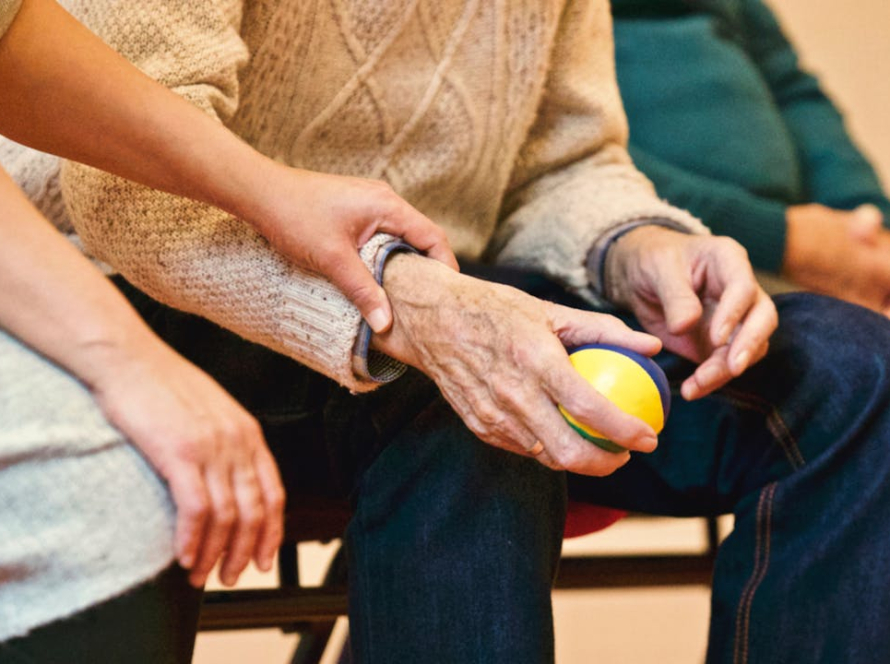
The decision to entrust the care of our elderly loved ones to a nursing home is not an easy one. As caregivers and family members, we want to ensure that they receive the best possible care, attention, and safety that they deserve during their golden years. However, instances of nursing home abuse and neglect only highlight the need for vigilance when selecting a facility for these vulnerable individuals. Therefore, it is crucial for families to learn how to choose the right nursing home to provide a secure, compassionate, and nurturing environment for their aging relatives.
At Jehl Law Group, our mission includes not only helping abuse victims and their families seek justice but also educating the community on how to protect their elderly family members from such potential dangers. In this blog post, we will share valuable tips and insights on choosing the right nursing home, factors to consider during the selection process, and strategies for monitoring the quality of care your loved ones receive.
We will begin by outlining the key factors to consider in selecting a nursing home, such as location, staffing, facility accreditation, and the range of services provided. By understanding the importance of each aspect, families can make more informed decisions when searching for a suitable nursing home for their elderly loved ones.
Next, we will discuss the warning signs that could indicate a potentially unsafe or negligent nursing home environment. By learning about these red flags, families can steer clear of facilities that may not prioritize the safety and well-being of their residents.
Lastly, we will provide practical tips on how to ensure that your loved ones receive the appropriate care and attention they deserve while residing in a nursing home. From regularly visiting the facility and fostering open communication with staff members to monitoring for signs of abuse or neglect, the ideas shared in this post will empower families to act as vigilant advocates for their aging relatives.
Join us as we explore this vital topic and work together to create a safe, compassionate, and dignified environment for our elderly loved ones in their nursing homes.
Key Factors to Consider When Choosing a Nursing Home
Selecting a suitable nursing home for your elderly loved ones involves considering various factors that can impact the quality of care and the overall environment. Here are some essential aspects to keep in mind during the selection process:
1. Location: Choose a nursing home that is conveniently located near friends and family members, as this will allow for more frequent visits and make it easier for loved ones to participate in the resident’s care.
2. Staff-to-Resident Ratio: A higher staff-to-resident ratio is crucial to ensuring that residents receive adequate attention, especially since understaffed facilities can lead to neglect or lowered quality of care.
3. Accreditation and Licensing: Make sure that the nursing home is accredited and licensed by relevant state and federal agencies, as this indicates compliance with established quality standards and regulations.
4. Services Offered: Evaluate the range of services provided by each facility, including medical care, therapy, social activities, and other essential services that cater to the specific needs of your elderly loved one.
Warning Signs of an Unsafe or Negligent Nursing Home Environment
Being aware of potential red flags can help in avoiding nursing homes that fall short in providing quality care and ensuring a safe environment:
1. History of Complaints or Violations: Research the nursing home’s history with regulatory agencies and online reviews to determine if there have been previous complaints or violations reported.
2. Poorly Maintained Facility: Cleanliness and proper maintenance are vital indicators of a safe and well-managed environment. Look for signs of negligence such as dirty floors, unpleasant odors, or unsafe conditions.
3. Disgruntled or Overworked Staff: Observe the staff’s demeanor and interactions with residents to gauge their professionalism and overall job satisfaction. Overworked or unhappy caregivers may not be able to provide the high level of care that residents deserve.
4. Lack of Responsiveness to Concerns: A trustworthy nursing home should be open to feedback and address any concerns or complaints raised by the residents or family members. If they dismiss or ignore concerns, it may be an indicator of a larger problem.
Strategies for Monitoring and Advocating for Quality Care
To ensure that your elderly loved ones receive the appropriate care in their nursing homes, consider employing the following strategies:
1. Regular Visits: Frequent, unannounced visits can provide insights into the day-to-day operations of the nursing home and keep the staff accountable for the care they provide.
2. Communication with Staff: Cultivate open and ongoing communication with the caregiving staff, making a point to ask about your loved one’s well-being, needs, and any concerns the staff may have.
3. Participation in Care Planning: Be actively involved in the development and implementation of your loved one’s care plan, ensuring their needs are met and preferences are considered.
4. Keep an Eye Out for Signs of Abuse or Neglect: Familiarize yourself with the subtle warning signs of elder abuse or neglect and be prepared to take action if such signs are detected.
Conclusion
The decision to place a loved one in a nursing home is significant and complex. Keeping their best interests in mind and prioritizing their well-being is of paramount importance. By considering the vital factors that impact the quality of care, remaining vigilant, and actively participating in their care, family members can work together to ensure their elderly loved ones are in a safe, nurturing environment.
At Jehl Law Group, our nursing home attorneys are committed to providing support and resources to help families navigate the challenges related to nursing home care. We are dedicated to advocating for the rights and well-being of elderly individuals and their families, promoting their safety and dignity in their nursing homes. Through informed decision-making and vigilance, we can create a better future for our aging loved ones.