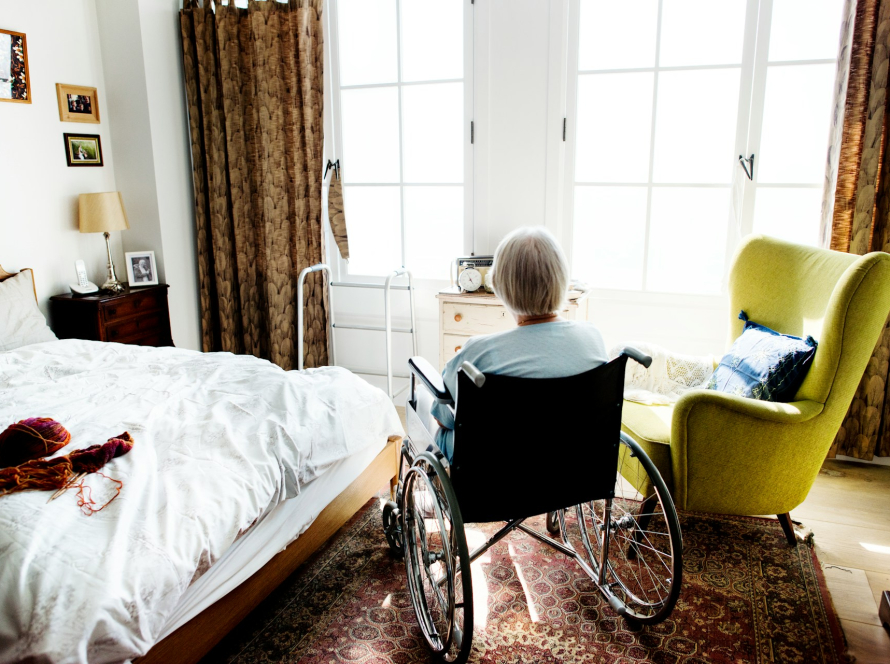
Our elderly family members deserve to live their golden years in peace, comfort, and security. However, the sad reality is that nursing home abuse is a growing problem in the United States that affects thousands of seniors every year. Nursing home residents are often vulnerable to abuse and neglect due to their age, frailty, and circumstances, making it crucial for their loved ones to understand and protect their legal rights. At Jehl Law Group, our mission is to help families navigate these complex situations and ensure their elderly relatives receive the care and respect they deserve.
In this blog post, we will delve into the legal aspects of nursing home abuse, providing you with a comprehensive understanding of residents’ rights, care providers’ responsibilities, and the legal avenues available to address abusive situations. We want to empower you with the knowledge you need to take informed actions to protect your loved ones from mistreatment and uphold their well-being.
Understanding the Legal Aspects of Nursing Home Abuse: A Comprehensive Guide
Resident Rights Under Federal and State Laws
Nursing home residents have several rights that are protected under federal and state regulations. One key law is the Nursing Home Reform Act of 1987, which established a set of standards for care quality and resident rights in federally funded nursing facilities. These rights include, but are not limited to:
1. The right to be free from abuse and neglect: Nursing home residents are entitled to a safe and nurturing environment, free from physical, emotional, and financial abuse, as well as neglect or exploitation by staff members or other residents.
2. The right to privacy: Residents must have privacy during personal care, visits with family or friends, and when communicating with others.
3. The right to choose medical care and treatment: Residents have the right to be informed about their medical condition, choose their healthcare provider, and participate in decisions about their care plan.
4. The right to voice grievances or file complaints: Residents can express concerns without fear of retribution, and facilities must investigate and address complaints in a timely manner.
State laws can vary, but they usually aim at further strengthening the legal protections for nursing home residents. Familial caregivers should familiarize themselves with the relevant laws in their state.
Responsibilities of Nursing Home Operators and Staff
Nursing home operators and staff members are legally responsible for maintaining a safe, comfortable, and respectful environment for their residents. Some of these responsibilities include:
1. Ensuring adequate staffing levels: Facilities must provide sufficient qualified staff to meet the residents’ needs and maintain their safety. Inadequate staffing can lead to neglect, missed medication doses, injuries, and other detrimental outcomes.
2. Providing training and supervision: Nursing home staff must receive training in various aspects of caregiving, handling resident concerns, and adhering to ethical standards. Regular performance evaluations and supervision ensure staff members follow best practices.
3. Implementing policies and procedures to prevent abuse: Nursing homes should have clear guidelines for identifying, reporting, and responding to signs of abuse, neglect, or exploitation.
4. Conducting background checks: Operators should perform thorough background checks on potential staff members to ensure they do not have a history of abusive behavior.
Recognizing Signs of Abuse and the Reporting Process
Familial caregivers should be watchful for any signs of abuse or neglect when visiting their loved ones in nursing homes. Symptoms may manifest physically, emotionally, or behaviorally. Common signs include:
1. Unexplained injuries: Bruising, fractures, or wounds that cannot be adequately explained might be indicative of physical abuse.
2. Withdrawal or mood changes: Sharp changes in an elderly person’s behavior or mood, especially when they are in the presence of a specific caregiver, may be a signal of abuse.
3. Financial irregularities: Missing funds, altered documents, or unauthorized transactions may point to financial exploitation.
4. Poor hygiene, weight loss, or bedsores: These warning signs may indicate neglect on the part of nursing home staff.
When abuse is suspected, it is crucial to report the situation to the appropriate authorities. This may include nursing home administration, state agencies, local law enforcement, or adult protective services. Timely reporting is essential to preventing further harm to the resident and holding the abusers accountable.
Legal Representation and the Pursuit of Justice
Once a case of nursing home abuse has been reported to authorities, it may be necessary to consult with a skilled attorney who specializes in elder abuse and neglect cases. These legal professionals have the knowledge and experience needed to effectively represent victims and their families, hold abusive caregivers accountable, and recover damages for the harm inflicted.
When seeking legal representation, it is crucial to select an attorney with a proven track record in handling nursing home abuse cases. They should have extensive knowledge of federal and state laws, strong negotiation skills, and court experience.
Conclusion
The legal aspects of nursing home abuse are multifaceted, involving rights and obligations, preventative efforts, and legal recourse. By understanding these elements and actively participating in their loved one’s care, familial caregivers can play a vital role in preventing abuse and promoting a safe, respectful environment for nursing home residents.
If you or a loved one have suffered from nursing home abuse, don’t hesitate to reach out to Jehl Law Group. Our team of experienced nursing home abuse attorneys is dedicated to fighting for justice and compensation for victims of elder neglect and abuse. Contact us today for a free consultation and let us help you seek the justice you deserve.