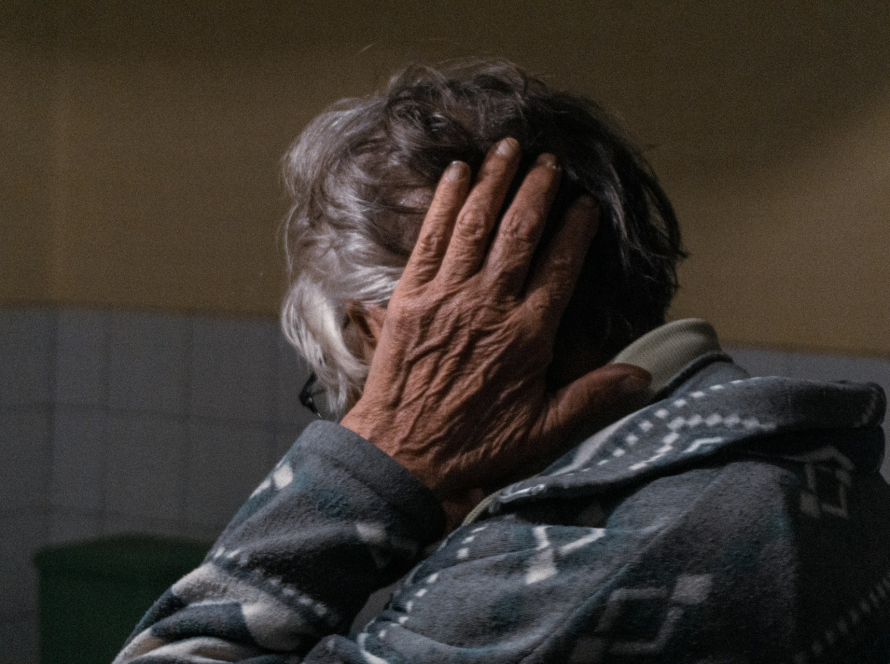
The physical safety and well-being of elderly nursing home residents are of utmost importance, but we must not forget the emotional and psychological consequences that can arise from abuse and neglect. Nursing home abuse goes beyond the visible signs of mistreatment, often leaving the victims and their families grappling with long-lasting emotional trauma. It is critical that we address and understand the emotional impact of abuse on residents and their loved ones to provide well-rounded support and care for all those affected by this grievous issue.
At Jehl Law Group, our commitment to fighting nursing home abuse includes recognizing the emotional and psychological effects on victims and their families. In this blog post, we will discuss the various emotional consequences that may arise from nursing home abuse, the impact on familial relationships, and ways to support healing and recovery for all parties involved.
We will explore the myriad ways that abuse can lead to emotional and psychological trauma for elderly residents, such as feelings of fear, depression, anxiety, and isolation. These emotional wounds can erode the trust that elderly individuals have in their caregivers and family members, further exacerbating their vulnerability and disempowerment. Additionally, we will consider the psychological consequences for family members who grapple with guilt, anger, confusion, and grief after discovering abuse or neglect of their loved ones.
Next, we will delve into strategies for supporting healing and recovery for both elderly residents and family members impacted by nursing home abuse. This will encompass the importance of mental health support, open communication between family members and caregivers, and advocating for the rights and well-being of the abused resident. By understanding the emotional impact of abuse and providing a strong support network, victims, and their families can overcome the emotional burden and rebuild trust in their care arrangements.
Join us as we examine this complex and sensitive topic to gain insight into the emotional consequences of nursing home abuse and discover ways in which to support and protect our vulnerable elderly loved ones.
The Emotional Consequences of Abuse for Elderly Residents
Nursing home abuse can lead to a range of emotional and psychological consequences for elderly residents, varying from feelings of helplessness to chronic anxiety. The following are some examples of the emotional trauma that can result from abuse:
1. Fear and anxiety: Victims of abuse may live in constant fear of further mistreatment, leading to constant anxiety and feelings of insecurity.
2. Depression: The emotional toll of abuse often triggers depression in elderly individuals, causing them to lose interest in activities they once enjoyed and isolate themselves from others.
3. Loss of trust: As a result of being abused by someone they relied on for care, elderly residents may develop a deep sense of distrust, making it difficult to form new relationships or accept assistance from caregivers or family members.
4. Feelings of shame and humiliation: Victims of abuse may feel humiliated and ashamed of their mistreatment, believing that they somehow deserved it or are unworthy of love and respect.
The Emotional Impact on Family Members
Discovering that a loved one has been abused in a nursing home can also inflict emotional trauma on family members. Some of the resulting emotional consequences include:
1. Guilt: Many family members may feel guilty for not recognizing signs of abuse sooner or for placing their loved ones in an environment where mistreatment occurred.
2. Anger and frustration: The knowledge that a loved one has been abused can lead to feelings of anger and frustration, both toward the perpetrator and the nursing facility for allowing the abuse to happen.
3. Grief and helplessness: Learning that a loved one has been the victim of abuse can trigger a deep sense of grief and helplessness, particularly when confronted with the complexity of remedying the situation.
4. Strained familial relationships: The emotional aftermath of uncovering elder abuse can strain familial relationships, causing rifts between family members who may handle the emotional weight differently.
Supporting Healing and Recovery for Elderly Residents
There are several methods that family and caregivers can use to support the emotional healing and recovery of elderly residents that have been victimized:
1. Seek professional help: Consult with mental health professionals who specialize in trauma and geriatric care to provide therapy and counseling for elderly victims of abuse.
2. Encourage open communication: Facilitate open communication between the victim, family members, and trusted caregivers to foster understanding and emotional healing.
3. Establish a supportive network: Surround the elderly resident with a network of loving and supportive individuals who can offer care, support, and reassurance.
4. Engage in meaningful activities: Encourage the elderly individual to participate in activities that bring them joy, helping them regain their sense of independence and self-worth.
Coping Strategies for Family Members
To effectively support loved ones who have experienced abuse, family members must also prioritize their own emotional well-being. The following are some suggestions for coping with the emotional impact of a loved one’s abuse:
1. Seek support: Reach out to support groups, counselors, or therapists to process and manage the complex emotions that arise from this situation.
2. Maintain open communication with loved ones: Discuss the abuse with the elderly individual and your family members, working together to establish new care plans that prioritize your loved one’s safety and well-being.
3. Educate yourself: Learn about the laws and resources available for addressing nursing home abuse and understand your rights and responsibilities as your loved one’s advocate.
4. Practice self-care: Ensure that you prioritize your mental and physical well-being by engaging in relaxation techniques, exercise, and other activities that promote self-care.
Conclusion
The emotional impact of nursing home abuse on elderly residents and their families cannot be underestimated. By recognizing the emotional consequences, staying informed about available resources, and fostering a supportive and loving environment, we can help our elderly loved ones heal from abuse and protect them from further mistreatment.
At Jehl Law Group, our commitment to fighting nursing home abuse includes recognizing these emotional consequences and advocating for the rights and well-being of elderly individuals and their families. Connect with our nursing home abuse lawyer for more information.