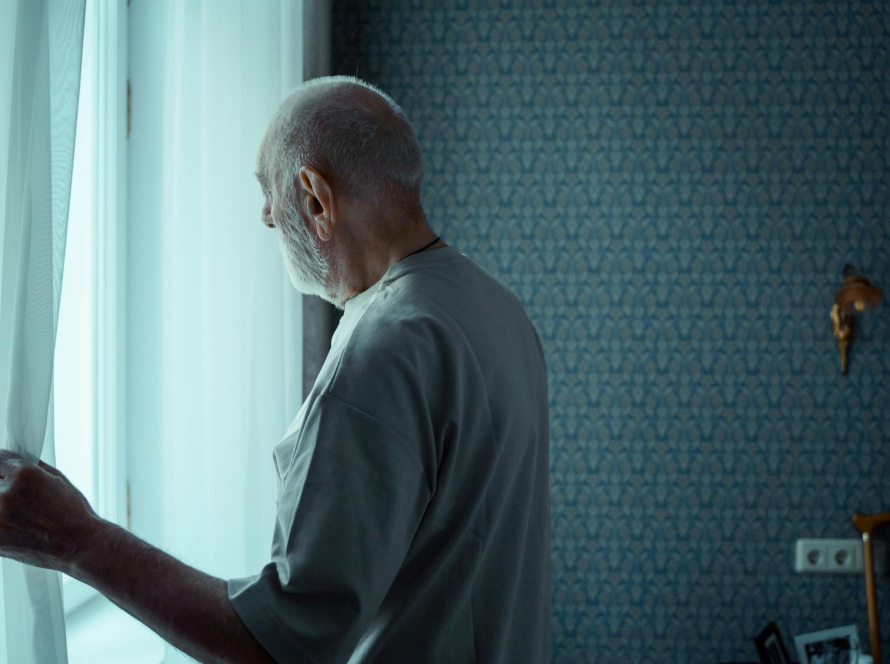
When health risks show up inside a nursing home and no one responds, it can leave families feeling powerless and deeply concerned. We’ve heard from many who notice changes in their loved ones before staff seem to act. What starts as a small issue, like a cough left untreated or a shift in someone’s energy, can grow into something more serious if ignored.
As we move into the early weeks of summer, it’s a period where nursing homes sometimes run on thinner staffing levels or rotate caretakers. That can lead to missed details in routines or health follow-ups. If you’re seeing warning signs and feel that nothing is changing, knowing what steps to take next matters. We’ll walk through what to look out for, how to track it quietly, and what to do if you’ve raised a concern but nothing seems to happen. Jehl Law Group, based in Memphis, Tennessee, has attorneys licensed in Tennessee, Arkansas, Illinois, Kentucky, Mississippi, Missouri, and Pennsylvania and more than 65 years of combined experience handling nursing home and elder neglect and abuse claims.
Watch for Early Warning Signs Others Might Dismiss
Some of the first signs that something isn’t right come from small shifts, not big emergencies. When a loved one gets sick and treatment is delayed, or when no one follows up after a fall, those moments often raise red flags for families. Yet to staff, especially in a busy facility, these things may not appear urgent at first glance.
From what we’ve seen, the most telling signs are often subtle and repeated. Here are examples of issues that may be overlooked by staff:
- A resident avoids eating meals or starts eating far less than usual
- They suddenly move slower or seem less engaged without explanation
- There’s no follow-up, even after reports of illness or minor injury
- Follow-up from a fall is skipped or downplayed
One helpful way to keep tabs without causing alarm is to take mental, or literal, notes during your visits. If your loved one seems moodier, more tired, or less alert, it might not raise concern the first time. But seeing that behavior more often can show a downward slope that shouldn’t be brushed aside.
What to Do When Reporting Doesn’t Lead to Change
It’s frustrating when you’ve already said something and nothing shifts. Still, it’s not always clear what to try next. If staff don’t respond well, or you’re told they’ll “look into it” but no actions follow, it may be time to approach things from another angle.
Here are a few ways to keep things steady without escalating right away:
- Write down specific details of your concern, including dates and who you spoke with
- Ask calmly if your concern was logged and where it was recorded
- Keep the tone respectful but direct in follow-up questions
When a facility consistently avoids follow-up or makes you repeat the same request, that pattern is worth documenting too. It helps to speak with leadership if frontline staff aren’t responsive, but only after keeping careful notes on earlier efforts.
If every conversation feels like starting from scratch, that might suggest your concerns aren’t being tracked formally, which brings bigger questions about communication inside the home.
Patterns Hidden Behind Ongoing Nursing Home Complaints
One complaint might not tell the whole story. But when you keep hearing similar concerns, falls happening more often, infections returning quickly, medication being given late, it could point to wider breakdowns.
Some of the signs we’ve come across that show a deeper problem include:
- Repeated health issues that should have been preventable
- Similar complaints being made by more than one family
- The same apologies being given again and again, without lasting change
A facility might call each event a rare case, but when complaints start to sound alike, it’s worth asking if the root cause is being addressed or just patched over each time.
How Season and Staffing Can Affect Oversight
As summer begins in Memphis, it brings more than just warmer weather. Care routines can shift as permanent staff take vacations and new or part-time workers step in. That means your loved one might end up with people who don’t know them well enough to notice small changes in health or behavior.
Here are a few of the ways summer disruptions can affect care:
- Staff may cycle in and out, meaning fewer eyes who know the resident’s normal routines
- Hotter days can increase the need for water, rest, and adjusted medical needs
- Busy outdoor calendars or group events can distract from individual attention
This time of year, it’s easy for residents’ wellness plans to get overlooked, especially when there’s less time to review care plans or double-check past records. That makes early summer an important time to keep checking in and asking the same health-related questions more than once.
When You’re Not Sure What Else To Do
If you’re doing everything you can, showing up, raising concerns, asking questions, and still feel like nothing’s being taken seriously, it helps to step back and look at what you can quietly control.
Some steady actions that might help include:
- Scheduling an outside opinion from a personal care doctor
- Asking for written records related to complaints or care changes
- Making regular visits and re-asking questions you think went unanswered
Sometimes, just showing you’re paying attention over time can shift how staff respond. Other times, it helps to calmly talk with others in leadership who might not be hearing everything coming from the floor.
Small observations and repeated follow-ups shared over days or weeks often give the clearest view of what’s really going on, especially when issues don’t seem to improve.
Staying Calm While Seeking Answers and Support
Raising concerns again and again without change can leave anyone worn down. It’s upsetting and isolating when you’re worried about someone you love and feel like no one is really listening.
If nursing home complaints don’t seem to get traction fast, that doesn’t mean you’re wrong or being unreasonable. It might just call for a longer view, keeping steady with questions, tracking what you see, and trusting your instincts.
Finding steady ground in a tough situation isn’t just about being loud. Often, it’s those small, repeated actions, quiet conversations, written notes, daily observations, that build the clearest picture of what’s going on. Over time, that persistence can help highlight problems that might otherwise be ignored. In addition to nursing home and elder neglect and abuse cases, Jehl Law Group handles related matters such as medical malpractice, products liability, premises liability, corporate fraud, breach of contract, and various aspects of elder law, which can all affect an older adult’s safety and well-being.
At Jehl Law Group, we help Memphis families address ongoing concerns in long-term care by identifying and resolving patterns that impact loved ones. Understanding how to track and follow up on recurring issues with nursing home complaints leads to more effective advocacy and better care outcomes. We encourage you to reach out today to discuss your situation and take the next step toward making a difference.