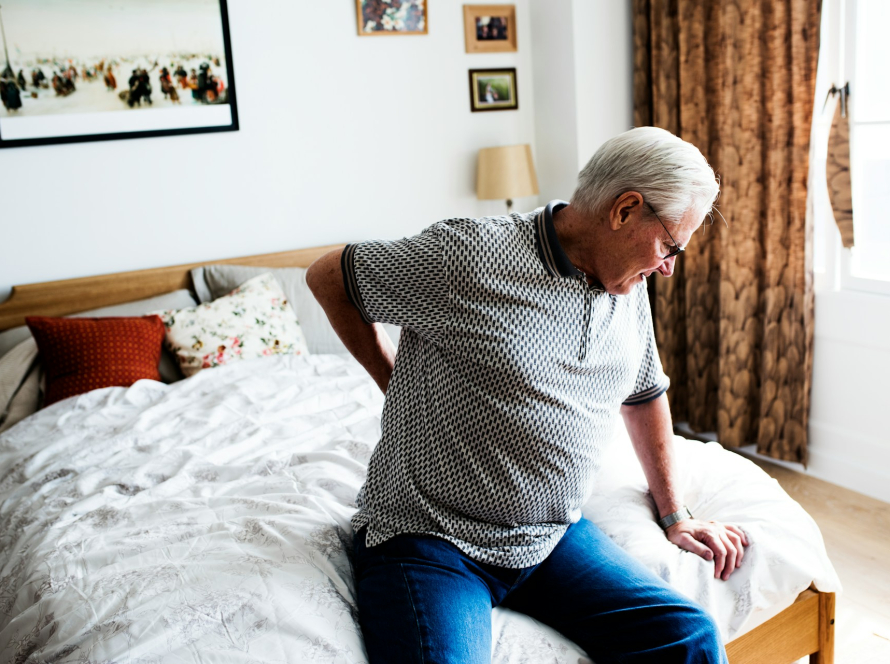
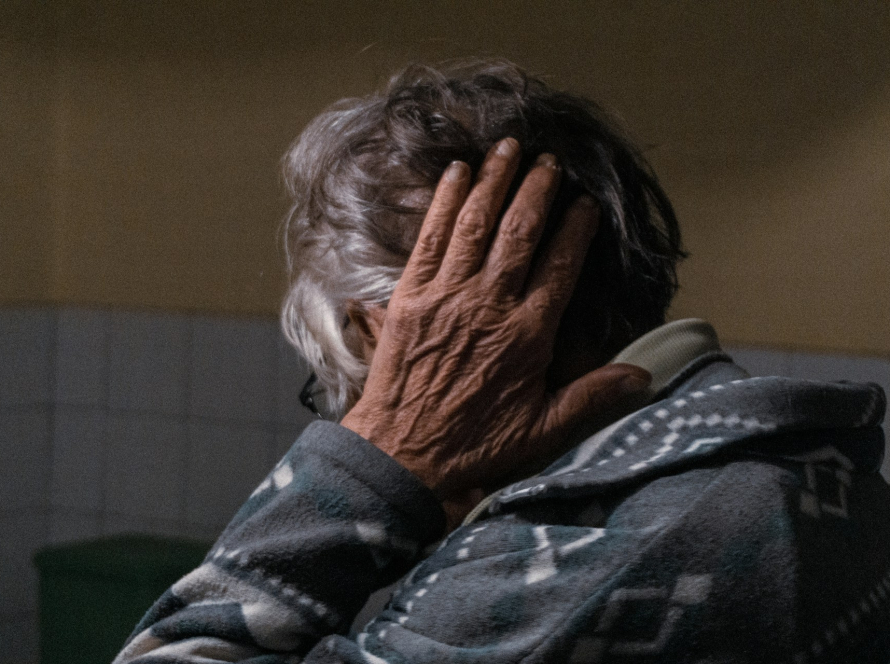
We often make the difficult decision to place our elderly loved ones in nursing homes or assisted living facilities. Trusting their care to these establishments, we expect that they will be treated with dignity, respect, and receive the proper attention they need to live comfortably. Nursing home abuse, however, has unfortunately become a widespread issue in recent years. While we understand that selecting a nursing home for your loved ones is a challenging and emotional process, recognizing the signs of abuse and making informed decisions about their care can help protect them from harm.
In this article, we aim to create awareness about nursing home abuse and provide insights on how you can identify it. Furthermore, we plan to share tips on preventative measures that can help ensure the safety of your elderly loved ones in these facilities.
Recognizing the Different Types of Nursing Home Abuse
Nursing home abuse can take various forms. It’s essential to comprehend their differences in order to recognize them effectively. Familiarize yourself with the following categories of abuse to spot any potential mistreatment of your loved ones.
1. Physical abuse: This form of abuse refers to any bodily harm or injury inflicted on a resident by a caregiver, staff member, or another resident. Signs of physical abuse may include unexplained cuts, bruises, burns, broken bones, or sudden changes in a resident’s mobility. Moreover, if a resident appears fearful or anxious around particular caregivers or staff, consider this a red flag.
2. Emotional abuse: Emotional abuse encompasses any verbal or non-verbal actions that cause psychological distress, such as yelling, name-calling, isolating, or constantly criticizing a resident. Detecting emotional abuse can be challenging, as it often leaves no visible signs. However, pay attention to changes in your loved one’s personality or behavior, such as increased anxiety, depression, agitation, or withdrawal from social interactions.
3. Sexual abuse: Sexual abuse in nursing homes entails any unwanted physical contact, sexual advances, or forced participation in sexual acts. The signs of sexual abuse may include torn clothing, bruises on the resident’s inner thighs, fear or nervousness around caretakers, or emotional changes like depression or anxiety.
4. Financial abuse: Financial abuse involves the unauthorized use, theft, or manipulation of a resident’s money, property, or personal information. To identify financial abuse, monitor your loved one’s bank accounts and credit reports for signs of fraudulent activity, missing funds, or suspicious transactions.
5. Neglect: Neglect is the failure to provide a resident with adequate care, which can result in harm or distress. This may involve not meeting a resident’s basic needs for food, water, shelter, cleanliness, and medical assistance. Indications of neglect can be bedsores, poor hygiene, malnutrition, dehydration, or inadequate medical care.
Tips for Choosing the Right Nursing Home Facility
Selecting a reputable nursing home is the first step in preventing abuse. These tips will guide you through this overwhelming process and help ensure you make an informed decision for your loved one:
1. Do thorough research: Search for nursing homes within your desired location and explore their connections within the community. Look for reviews and testimonials from prior resident families, but rely on multiple sources to gather more comprehensive information about the facility.
2. Visit multiple facilities: Tour each nursing home on your list to get a first-hand view of their environment, staff, and amenities. Observe the general cleanliness, staff-resident interactions, and available activities for residents.
3. Check accreditation status: Confirm that the nursing home holds state and federal accreditations, as well as certifications on safety and care quality. Facilities certified by the Centers for Medicare & Medicaid Services (CMS) undergo periodic evaluations to ensure they meet specific quality standards.
4. Assess the staff: Engage with the members of the nursing home staff to gauge their professionalism and compassion. Take note of staff-to-resident ratios, staff credentials, and their overall attitude toward the residents.
Preventing Nursing Home Abuse
Proactive measures can help protect your elderly loved ones from potential abuse in nursing homes. Consider the following steps to create a safe environment:
1. Maintain regular communication: Develop a strong rapport with your loved one by checking in regularly and monitoring their well-being. Frequent visits are an opportunity to observe their living conditions, interact with staff, and assess the quality of care received.
2. Establish a support network: Encourage family members, friends, or trusted neighbors to visit your loved one often and maintain lines of communication. A strong support network can provide further opportunities to identify potential issues and ensure the resident’s needs are met.
3. Educate yourself and your loved one: Learn about nursing home resident rights, as well as the warning signs of abuse and neglect. Share this information with your elderly family members to empower them to recognize and report abuse in a timely manner.
4. Report concerns immediately: Don’t hesitate to voice any concerns or suspicions of abuse to the nursing home administration or law enforcement. Reporting incidents promptly can help prevent further harm and enforce accountability.
Conclusion
Protecting your elderly loved ones in long-term care facilities requires vigilance, education, and proactive measures. By understanding the various forms of nursing home abuse, choosing the right facility, and being an active advocate for your loved one’s care, you can reduce the risk of abuse and create a safe environment for them during their golden years. If you suspect any form of mistreatment or require legal guidance, don’t hesitate to contact us at Jehl Law Group. We are committed to fighting for the rights of our elderly citizens and ensuring they receive the care they truly deserve.